
Dental Implant vs Bridge: Cost, Lifespan and Which to Choose
A dental implant replaces the tooth root and leaves healthy neighbouring teeth untouched; a bridge is anchored on them instead. Compare both in Istanbul.
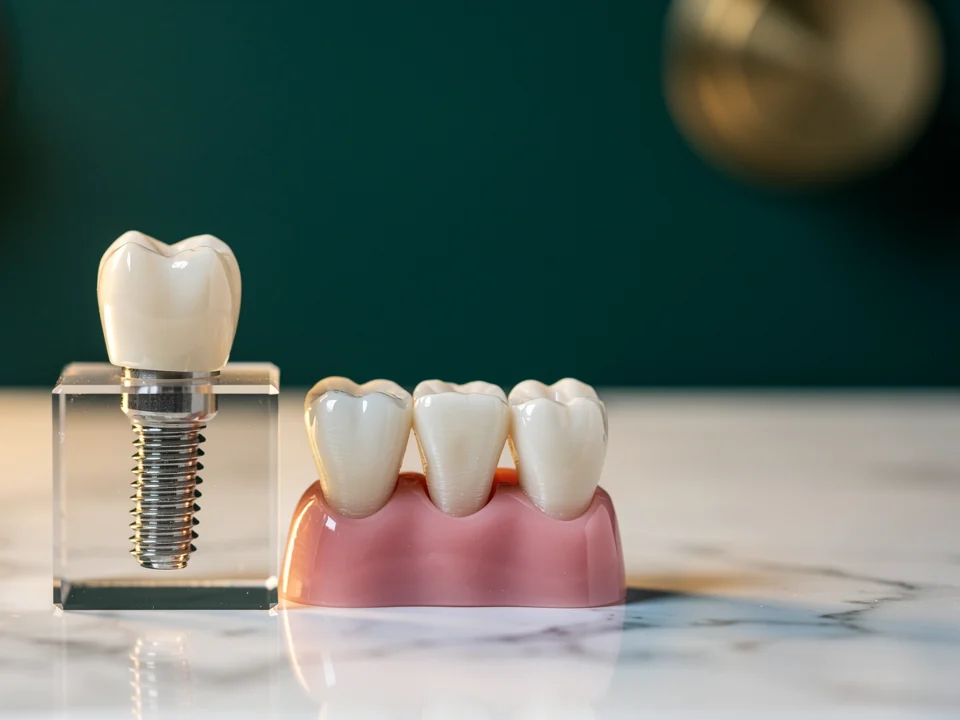
An implant is usually preferred to a bridge when neighbouring teeth are healthy and there is enough jawbone, because it replaces the root without relying on other teeth. A bridge avoids surgery and can be finished in fewer visits, but depends on the teeth beside the gap. Your dentist confirms which fits your case.
Written by Er Dental Clinic
Comparison at a glance
Implant vs Bridge, Step by Step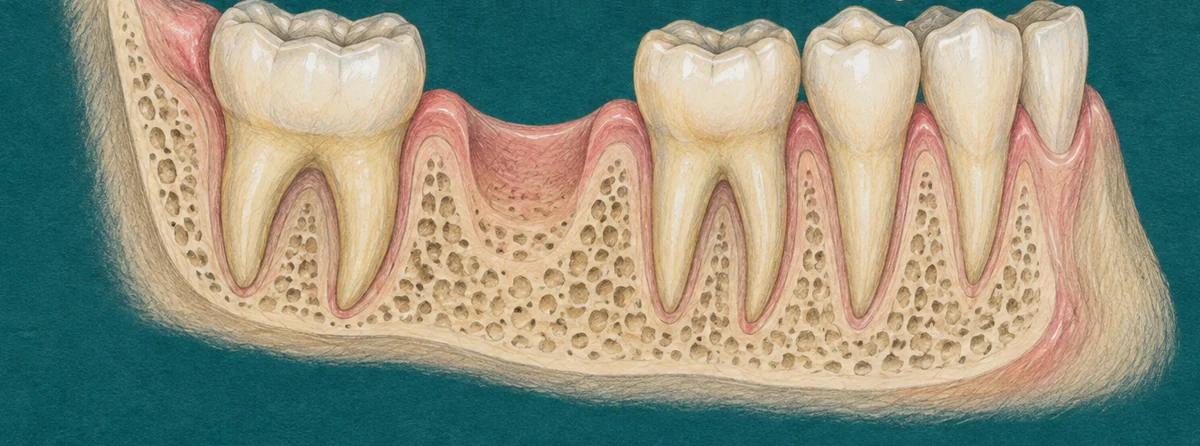
- 1The same gapThe core difference between the two options is where the replacement tooth gets its support from.
- 2Bridge: teeth reshapedThe teeth immediately next to the gap are reshaped and covered with crowns.
- 3Bridge: false tooth fixedA false tooth is fixed between them, and the bone directly under it is not being used, so it can gradually reduce over time.
- 4Implant: a new rootAn implant creates a new root in the jawbone, so the teeth on either side are left untouched.
- 5Implant: crown fittedThe final crown is fitted on top of the abutment, and the bone under the gap keeps being used when you bite.
Dental Implant vs Bridge: Which Is Better for You?
Neither a dental implant nor a bridge is better in every case; the right choice depends mainly on the health of the teeth next to the gap, how much bone is left, and how you weigh surgery against a quicker fix. A dental implant replaces the missing tooth root directly in the jawbone, so the teeth on either side are left untouched and the bone under the gap keeps being used when you bite. A dental bridge fixes a false tooth to crowns on the neighbouring teeth, which avoids implant surgery and can often be finished in fewer visits, but it means shaping teeth that may otherwise be healthy. For most people with healthy neighbouring teeth and enough bone, an implant is generally recommended as the more conservative long-term option; a bridge remains a reasonable choice where surgery is not suitable or the neighbouring teeth already need crowns for other reasons. An examination of the neighbouring teeth and, where an implant is being considered, a CBCT scan are what actually settle the question for your own mouth.
What Is a Dental Implant?
A dental implant is a small titanium post, or in selected cases a zirconia ceramic one, placed in the jawbone where a tooth is missing. Over a period of months the surrounding bone bonds to the implant in a process called osseointegration; once this bond is stable, an abutment connects the implant to a crown that is shaped and shaded to match your other teeth. Because the implant itself takes over the job of the tooth root, it does not rely on the teeth next to the gap at all, and the bone in that part of the jaw stays active because it is still carrying a bite. Our dental implant page has more detail on materials, planning and the related full-arch options we offer in Istanbul.
How Do an Implant, Abutment and Crown Fit Together?
Read this diagram as text
- Implant placed: The implant is placed in the jawbone where the tooth is missing.
- Bone bonds, abutment fitted: The bone bonds to the implant and a connecting abutment is attached.
- Crown fitted: The final crown is fitted on top of the abutment.
What Is a Dental Bridge?
A dental bridge fills a gap left by one or more missing teeth without any surgery. The teeth immediately next to the gap are reshaped and covered with crowns, and a false tooth (or teeth) is fixed between them, so the whole unit sits on the neighbouring teeth rather than in the jawbone. A traditional bridge is the most common design, though a bridge can also be attached to implants either side of a gap rather than to natural teeth, which removes the need to reshape healthy teeth. Our dental bridge page compares the traditional, cantilever and Maryland bridge designs we offer, and explains when a bridge is fixed to natural teeth and when it is implant-supported instead.
The Key Difference: A New Root vs Support From Neighbouring Teeth
The core difference between the two options is where the replacement tooth gets its support from. An implant creates a new root in the jawbone, so it stands on its own and keeps bone in that area active. A bridge borrows support from the teeth either side of the gap, which means no surgery is needed but those teeth are prepared and permanently altered to carry the extra load, and the bone directly under the false tooth is not being used, so it can gradually reduce over time. Everything else that people compare — how many visits are needed, whether healthy teeth are touched, and how the bone under the gap is affected in the long term — follows from that one difference.
Dental Implant vs Bridge at a Glance
The comparison below sets out the qualitative differences that come up most often in a consultation. It does not replace an individual assessment: your dentist confirms which criteria apply to your case after examining your teeth, gums and, where an implant is being considered, a CBCT scan.
Dental Implant vs Bridge: Key Differences at a Glance
Read this diagram as text
| Criterion | Dental Implant | Dental Bridge |
|---|---|---|
| Healthy neighbouring teeth are left untouched | ✓ Yes | ✗ No |
| Helps keep the jawbone under the gap active | ✓ Yes | ✗ No |
| No implant surgery is needed | ✗ No | ✓ Yes |
| Can usually be completed in fewer visits | ✗ No | ✓ Yes |
| Teeth are fixed, not removed for cleaning | ✓ Yes | ✓ Yes |
Who Is a Dental Implant Suitable For?
Healthy neighbouring teeth
If the teeth either side of the gap are sound, an implant avoids reshaping them for crowns they do not otherwise need.
Enough jawbone
An implant needs bone to bond to; where a CBCT scan shows too little, guided bone regeneration or a sinus lift can often rebuild it first.
A wish to keep bone active under the gap
Because the implant carries a bite like a natural root, it helps limit the gradual bone loss that follows tooth loss, which our jawbone loss page explains in more detail.
A longer view on treatment
Patients who are comfortable with a short healing period in exchange for not altering neighbouring teeth often lean towards an implant.
Your dentist confirms suitability from an examination and, once an implant is being planned, a CBCT scan.
Who Is a Dental Bridge Suitable For?
A wish to avoid surgery
A bridge does not involve placing anything in the jawbone, which suits patients who would rather not have implant surgery.
Neighbouring teeth that already need crowns
If the teeth either side of the gap are already weakened or heavily filled, covering them with crowns to support a bridge can use treatment they may need in any case.
A shorter treatment plan
A bridge is usually completed in fewer visits than an implant, which some patients weigh against the fact that it needs replacing more often over time.
Limited bone for an implant
Where bone rebuilding is not wanted or suitable, a bridge remains a fixed alternative, though it will not stop bone loss under the missing tooth.
Your dentist explains whether the neighbouring teeth are suitable to carry a bridge before recommending it.
Real patients
Before and After at Er Dental Clinic
Photos of Er Dental Clinic patients treated with a dental implant or a dental bridge. Every case is different — ask us to see cases similar to yours.
How Your Dentist Chooses Between an Implant and a Bridge
The recommendation starts with the teeth next to the gap: your dentist checks whether they are healthy, how large any existing fillings or old crowns are, and whether preparing them for a bridge would use sound tooth structure. Alongside this, a CBCT scan (when an implant is being considered) shows whether there is enough bone to place an implant, or whether bone grafting would be needed first. Your dentist, such as Ertan Omerov, weighs these findings against how many visits you can manage, whether you are comfortable with implant surgery, and how the gap sits within your overall bite. Where several teeth are missing in the same area, an implant-supported bridge is sometimes proposed as a middle path, using one or two implants to carry a longer bridge without relying on natural teeth. The final recommendation, together with the price for each option, is set out in your written treatment plan before you travel.
Which Option Is Right for Me?
If you are not sure how a missing tooth is likely to affect your bite or jawbone with time, our missing teeth page compares implants, bridges and dentures side by side and explains what happens if a gap is left untreated. If you already suspect you do not have enough bone for an implant, our jawbone loss page explains how bone can sometimes be rebuilt before implant treatment.
A single implant fixture at Er Dental Clinic starts from £390 / €450 / $520, with the crown priced separately at £215 / €250 / $290 for a zirconia crown. Bridges are priced per unit rather than as a fixed package, so an exact quote depends on how many teeth the bridge needs to cover — your dentist gives this figure once your teeth have been assessed. Send your photos and, if you have them, X-rays for a free online consultation, and our dentists reply with a written recommendation and quote before you decide to travel.
Dental Implant vs Bridge: Frequently Asked Questions
Dental implant vs bridge: which is better?
There is no single answer that fits everyone. An implant is usually recommended when the neighbouring teeth are healthy and there is enough jawbone, because it replaces the root directly and leaves those teeth untouched. A bridge avoids surgery and is often finished sooner, but it depends on the teeth either side and does not stop bone loss under the gap. Your dentist confirms which fits your case after an examination.
How much does a dental implant cost compared with a bridge?
A single implant fixture starts from £390 / €450 / $520, with the crown priced separately (a zirconia crown is £215 / €250 / $290). Bridges are priced per unit rather than as a fixed package, so the total depends on how many teeth the bridge covers and the materials used. Your dentist gives an exact figure for both options once your teeth and, for an implant, a CBCT scan have been reviewed.
What are the pros and cons of a dental implant compared with a bridge?
An implant leaves healthy neighbouring teeth untouched and helps keep the jawbone under the gap active, but it needs surgery, enough bone and a healing period before the final crown is fitted. A bridge needs no implant surgery and is usually completed in fewer visits, but it means reshaping the teeth either side of the gap and does not stop bone loss under the missing tooth.
Dental implant vs denture: which should I choose instead of a bridge?
A denture is a removable option, taken out for cleaning, and is generally the least invasive but also the least stable of the three. An implant and a bridge are both fixed in the mouth. Where several teeth are missing, an implant-supported denture can combine some stability of an implant with a removable design. Our missing teeth page compares all three replacement options.
Does a dental bridge damage the neighbouring teeth?
Preparing the neighbouring teeth for crowns permanently removes some healthy tooth structure, which is one of the main reasons some dentists recommend an implant when those teeth are otherwise sound. The prepared teeth still need the same care as any crowned tooth, including regular check-ups, to keep them healthy under the bridge.
How long do dental implants and bridges last?
With good oral hygiene and regular check-ups, an implant fixture can last for many years and carries a lifetime warranty at our clinic; the crown on top may need replacing at some point because of normal wear. A bridge typically needs replacing sooner than an implant fixture and is covered by a 5-year warranty. Both depend on daily cleaning and how well the surrounding teeth or bone are maintained.
References
- Dental Implants: Types, Purpose & Benefits — Cleveland Clinic, 2026
- Understanding Dental Implants — Oral Health Foundation, 2026
- Implants — American Dental Association (MouthHealthy), 2026
Get a Written Recommendation: Implant or Bridge
Send us your photos or X-rays through a free online consultation, and our dentists will tell you whether a dental implant or a bridge fits your case, along with a written plan and quote. If you would rather talk it through first, contact our clinic in Istanbul directly.
Find the Right Path for You
There are many different conditions and options in this area — browse by topic below, or answer a few questions to see the step closest to your situation.
Explore by Topic
The Basics
2 pagesComparisons
2 pages
Dentistry · Esenyurt, İstanbul
Why Er Dental Clinic?
Related Pages
Dental Implants in Istanbul: Single, Multiple and Full-Arch
Same Day Dental Implants in Turkey: Immediate Implant Treatment Explained
Traditional Dental Bridges: How a Fixed Bridge Replaces a Missing Tooth
Dental Bridges in Turkey: Types, Treatment Steps and Who They Suit
Missing Teeth: Causes, Effects and Replacement Options
Free Online Dental Consultation: Send Your Photos and X-Rays for a Written Plan
Dt. Ertan Omerov – MSc in Periodontology and Implantology, Er Dental Clinic Istanbul
Contact Er Dental Clinic
How Much Are Turkey Teeth? Treatment Prices at Er Dental Clinic, Istanbul
Your treatment plan · 3 short steps
Get your personal implant plan
Answer a few quick questions — it takes about a minute. Our dentists review your answers and reply with a written treatment plan and a clear price for your case, before you decide anything.
- Your treatmentWhat are you looking for?
- Your timingX-ray, dates and how we reply
- Your detailsSo we can send your plan
What you receive
- A written treatment plan prepared by our dentists
- A clear price for your case before you travel
- No obligation — ask every question first



Your answers are reviewed by our dentist teamErtan Omerov · Enes Yol · Ahmet Mustafa Zeren · Vijdan Aslanoğlu