
Teeth Grinding (Bruxism): Causes, Signs and What It Does to Your Teeth
Teeth grinding (bruxism) can wear, chip or crack teeth over time. Learn the causes, warning signs and treatment options, or get a free online assessment.
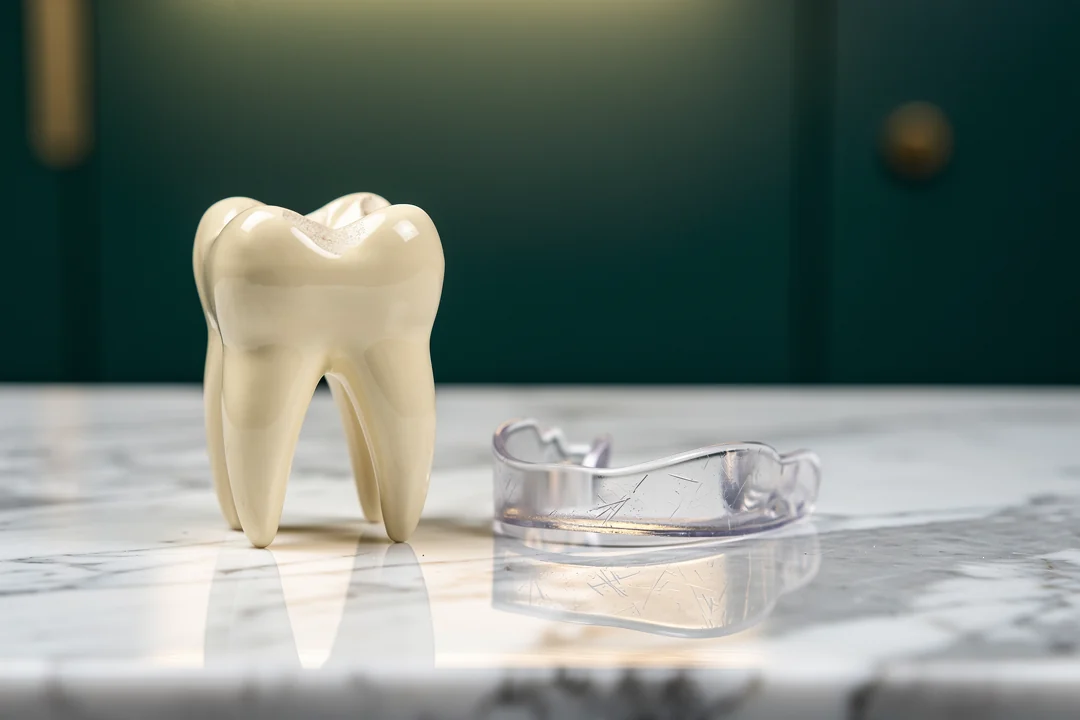
Teeth grinding (bruxism) is the habit of clenching or grinding the teeth, most often during sleep. Over time it can wear, chip or crack teeth and cause jaw pain or headaches. Stress and sleep problems are common triggers; a dentist assesses the wear and jaw before suggesting a night guard or tooth repair.
Written by Er Dental Clinic
At a glance
What Grinding Does to Teeth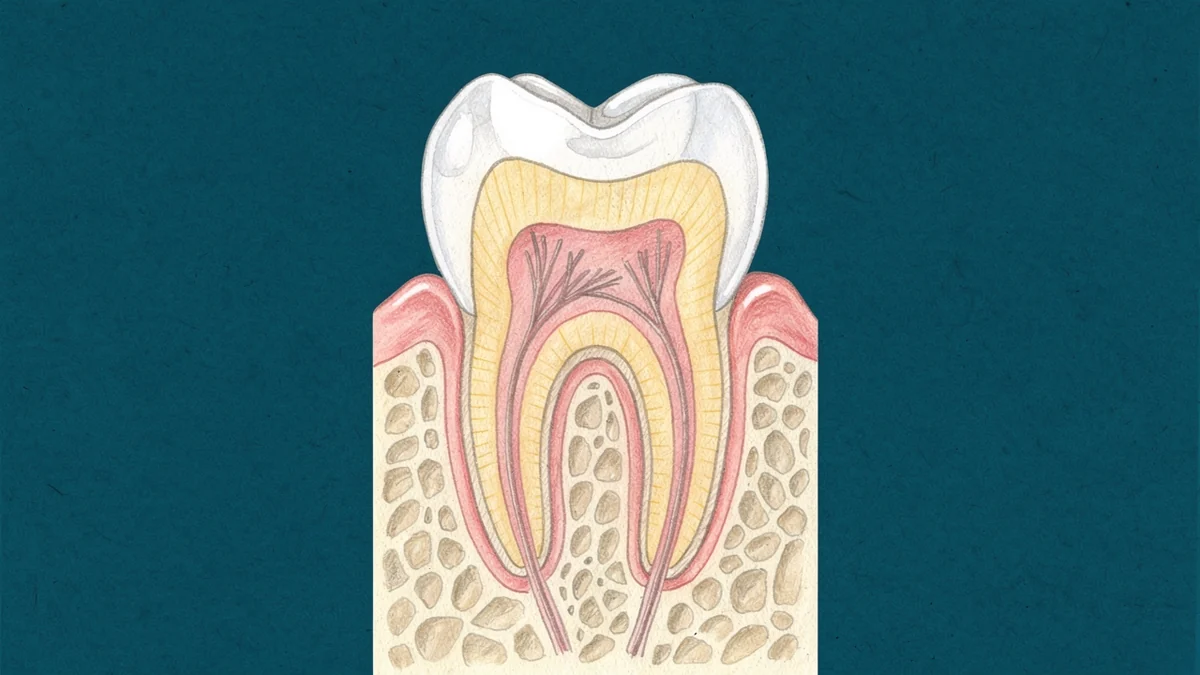
- 1Worn or flattened edgesOngoing grinding can gradually flatten the biting surfaces of the teeth.
- 2The enamel thinsSensitivity to hot, cold or sweet foods can appear as the protective enamel thins.
- 3Chips or small cracksChips or small cracks can appear in teeth that were previously intact, and grinding can also crack fillings or crowns.
- 4A night guard cushionsA custom night guard is a close-fitting appliance worn at night that cushions the teeth from grinding forces.
What Is Teeth Grinding (Bruxism)?
Bruxism is the repeated clenching or grinding of the teeth, either during sleep or while awake, and many people are not aware they do it until a partner mentions the noise or a dentist notices the wear on their teeth. Sleep bruxism tends to involve grinding movements and is often linked to sleep quality, while awake bruxism is usually clenching without side-to-side movement and is more often linked to concentration or stress. Occasional grinding is common and not usually harmful, but regular grinding can gradually flatten, chip or crack teeth, strain the jaw muscles and joint, and in some cases contribute to headaches. A dentist assesses the pattern of wear and the jaw muscles before recommending any treatment.
Teeth Grinding at a Glance
Teeth grinding is common, and most people find out about it from a dentist rather than noticing it themselves. It can happen during sleep or while awake, and the two forms are usually linked to different triggers — sleep quality on one hand, stress or concentration on the other. Left unmanaged over years, grinding can wear down the biting surfaces of teeth, chip edges, crack fillings or crowns, and tire out the jaw muscles, which is why a dentist looks at the wear pattern even when a patient has not noticed any symptoms themselves.
Sleep Bruxism and Awake Bruxism
Sleep bruxism happens during sleep and usually involves grinding the teeth from side to side, which produces the wear patterns and the noise that a partner may notice. It is often linked with other sleep-related factors, including snoring and, in some people, sleep apnoea, so a dentist may ask about sleep quality as part of the assessment. Awake bruxism is more often clenching than grinding — the jaw muscles tighten without much lateral movement — and tends to happen during concentration, stress or anger, sometimes without the person noticing until their jaw feels tired or tight. The two forms can occur in the same person, and the pattern of wear on the teeth often gives a dentist clues about which is happening.
Signs of Teeth Grinding
Bruxism can show itself gradually, and several of these signs often appear together before a person realises they grind their teeth:
Worn or flattened edges
Worn or flattened edges on the biting surfaces of the front or back teeth.
Chips or small cracks
Chips or small cracks appearing in teeth that were previously intact.
Sensitivity
Sensitivity to hot, cold or sweet foods as the protective enamel thins.
Morning jaw pain or tightness
Morning jaw pain or tightness, sometimes described as a tired or aching jaw on waking.
Headaches
Headaches, particularly around the temples, that are more noticeable in the morning.
A partner hearing grinding sounds
A partner hearing grinding sounds during the night.
Marks on the inside of the cheek or the sides of the tongue
Marks on the inside of the cheek or the sides of the tongue from clenching against them.
If you notice several of these together, a free online consultation is a simple first step — send photos of your teeth and describe what you have noticed, and our dentists reply with an initial assessment.

What Causes Teeth Grinding?
Bruxism rarely has a single cause, and several factors often act together:
Stress and anxiety
Emotional tension is one of the most commonly reported triggers for both sleep and awake grinding.
Sleep problems
Grinding is more common in people who snore or have sleep apnoea, so a dentist may suggest a wider sleep assessment if this is suspected.
Alcohol, caffeine and smoking
These are associated with more frequent or more intense grinding episodes in some people.
Some medicines
Certain medications, including some antidepressants, have been linked with an increase in grinding as a side effect — this is discussed with the prescribing GP rather than changed independently.
Bite and teeth
Bite problems are no longer thought to be the main cause of bruxism, but an uneven bite or a high filling can make an existing grinding habit feel more noticeable.
Because the causes overlap, a dentist usually looks at the whole picture — stress, sleep, habits and the teeth themselves — rather than assuming a single cause.

When Should You See a Dentist About Teeth Grinding?
Occasional, mild grinding that a dentist notices at a routine check-up does not usually need urgent attention. See a dentist sooner if your jaw locks or feels stuck, if you have severe or worsening jaw pain, if a tooth has broken or a filling or crown has come loose, or if headaches linked to your jaw are becoming frequent. If you or a partner suspect sleep apnoea — for example, loud snoring with pauses in breathing, or daytime sleepiness — this is worth raising with your GP, since treating an underlying sleep problem can also reduce grinding.
How Is Teeth Grinding Diagnosed?
Diagnosis usually starts with a clinical examination: the dentist looks at the pattern of wear across the teeth, checks the jaw muscles and joint for tenderness or tightness, and asks about symptoms such as morning headaches, jaw pain or a partner reporting grinding sounds. This history is often as useful as the examination itself, since not everyone grinds heavily enough to leave obvious marks. Where sleep apnoea is suspected, a dentist may suggest a sleep assessment with your GP rather than diagnosing this directly.
Our process starts with a free online consultation: send clear photos of your teeth and describe any jaw pain, headaches or noises you or a partner have noticed, and our dentists, led by Dt. Vijdan Aslanoğlu, reply with an initial assessment before you book anything.
Does Teeth Grinding Always Need Treatment?
Not every case of bruxism needs active treatment. Mild, occasional grinding without wear or pain is often simply monitored at routine check-ups. Treatment becomes more relevant once there is visible wear, chipping, sensitivity, jaw discomfort or damage to fillings and crowns, since the goal at that point shifts to protecting the teeth and easing the jaw muscles rather than stopping the habit itself, which is not always fully possible. Left unmanaged, ongoing grinding can flatten teeth further, crack restorations, and keep the jaw muscles under strain.
Treatment Options for Teeth Grinding
Once an assessment confirms grinding, a dentist usually discusses a combination of the following, depending on the wear and how the jaw feels:
Custom night guard
A close-fitting appliance worn at night that cushions the teeth from grinding forces; this is the most common first option, covered in more detail on our bruxism treatment page.
Repairing worn or damaged teeth
Where teeth are already chipped, cracked or heavily worn, bonding, an inlay/onlay or a crown may be needed — see broken or worn teeth and our dental crowns page.
Botulinum toxin injections
In some cases, injections into the jaw muscle may be discussed after assessment to help reduce muscle tension; the effect is temporary and this is covered on the bruxism treatment page.
Habit and sleep advice
Reducing evening caffeine and alcohol, general stress-reduction habits, and addressing a suspected sleep problem with your GP.
Which combination applies to you depends on the wear your dentist sees and how your jaw feels, not on a fixed protocol.
Teeth Grinding: Frequently Asked Questions
Why do I grind my teeth at night?
Night-time (sleep) grinding is most often linked to stress, sleep quality, or sleep-related breathing issues such as snoring or sleep apnoea, and sometimes to alcohol, caffeine or certain medicines. Many people are unaware they grind until a partner notices the sound or a dentist points out the wear on their teeth.
What are the signs of teeth grinding?
Common signs include worn or flattened tooth edges, chips or small cracks, sensitivity to hot or cold, morning jaw pain or tightness, headaches around the temples, and a partner hearing grinding at night. A dentist often spots these signs at a routine check-up before a patient notices any of them.
Can teeth grinding damage my teeth?
Yes. Ongoing grinding can gradually flatten the biting surfaces, chip the edges, and in some cases crack teeth, fillings or crowns. The damage tends to build up slowly over months or years rather than appearing suddenly, which is why it is often only noticed once a dentist checks the wear pattern.
Can grinding cause headaches or jaw pain?
Yes, sustained clenching or grinding places extra strain on the jaw muscles and joint, which can lead to a tired or aching jaw, especially on waking, and headaches around the temples. Not everyone with bruxism gets headaches, and a dentist checks the jaw muscles to see how much this is contributing to any pain you have.
Is teeth grinding caused by stress?
Stress and anxiety are among the most commonly reported triggers, particularly for awake clenching, but they are rarely the only factor. Sleep quality, alcohol, caffeine, smoking and some medicines can all play a role alongside stress, which is why a dentist looks at the wider picture rather than assuming stress alone explains it.
Can teeth grinding be cured?
Bruxism is usually managed rather than permanently cured, since the underlying triggers — stress, sleep and habits — can come and go over the years. A custom night guard protects the teeth from the physical damage of grinding, and addressing sleep or stress factors can reduce how often it happens, but ongoing monitoring at check-ups is the realistic long-term approach.
Do children grind their teeth?
Teeth grinding is common in children and is often outgrown as the bite develops; it is usually assessed by a paediatric dentist rather than managed the same way as in adults. If you are concerned about a child's grinding, mention it at their next dental check-up.
Related Conditions and Treatments
Teeth grinding is closely linked to worn teeth and to the treatments used to protect and repair them.
Broken or Worn Teeth
How grinding wears, chips and cracks teeth over time, and the repair options available.
Read about broken or worn teethBruxism Treatment
Custom night guards and other options for managing grinding.
Explore bruxism treatmentDental Crowns
How a crown protects a tooth that has been badly worn or cracked by grinding.
Explore dental crownsGeneral Dentistry
Check-ups, fillings, cleaning and the wider range of general dental care in Istanbul.
Explore general dentistryWhich Approach Fits Your Situation?
As a general pattern, visible wear, chips or cracks point toward protecting and repairing the teeth alongside a night guard, while jaw ache or tightness without much visible wear points more toward easing the jaw muscles. Many patients need a combination of both once the assessment is complete.
Teeth grinding: which approach is usually considered?
Read this diagram as text
- Are your teeth worn, chipped or cracked?
- Yes: Your dentist assesses a night guard and tooth repair
- No: Does your jaw ache or feel tight in the morning?
- Yes: Your dentist assesses the jaw muscles and splint options
- No: Monitoring and habit advice may be enough
Night Guard or Botulinum Toxin?
A custom night guard and botulinum toxin injections work in different ways and are sometimes used together rather than as strict alternatives. Our bruxism treatment page compares the two in more detail.
How We Assess Teeth Grinding at Er Dental Clinic
At Er Dental Clinic, teeth grinding is assessed by Dt. Vijdan Aslanoğlu together with our restorative dentistry team. The process starts with a free online consultation: send photos of your teeth and describe any jaw pain, headaches or noises you or a partner have noticed, and you receive an initial assessment before travelling. At the clinic, an examination of the wear pattern and jaw muscles confirms whether a custom night guard, tooth repair, botulinum toxin injections or a combination of these fits your situation, and the proposed plan and cost are set out in writing before treatment begins.
The clinic holds an International Health Tourism Authorization Certificate issued by the Republic of Türkiye Ministry of Health (certificate no. ST-6264), which you can verify on the e-Devlet document verification service at turkiye.gov.tr/saglik-bakanligi-ebys.
References
- Teeth Grinding (Bruxism) — NHS, 2026
- Teeth Grinding — American Dental Association (MouthHealthy), 2026
- Bruxism — StatPearls, National Center for Biotechnology Information (NCBI), 2026
Get Your Teeth Assessed
Send us a photo of your teeth on WhatsApp, or through a free online consultation, especially if you notice wear, chipping or morning jaw pain. Our dentists review it and reply with an initial assessment and the options that may apply — a custom night guard, tooth repair, or other approaches — so you can decide with confidence before booking anything.
Find the Right Path for You
There are many different conditions and options in this area — browse by topic below, or answer a few questions to see the step closest to your situation.
Explore by Topic
The Basics
2 pagesDiagnosis & Methods
2 pages
Dentistry · Esenyurt, İstanbul
Why Er Dental Clinic?
Related Pages
General Dentistry in Turkey: Check-Ups, Fillings, Root Canals and More
Broken, Cracked or Worn Teeth: Causes and Repair Options
Dental Crowns in Turkey: Zirconia, E-max and Porcelain Options
Dt. Vijdan Aslanoğlu – Dentist at Er Dental Clinic, Istanbul
Contact Er Dental Clinic
How Much Are Turkey Teeth? Treatment Prices at Er Dental Clinic, Istanbul
Your treatment plan · 3 short steps
Get your personal treatment plan
Answer a few quick questions — it takes about a minute. Our dentists review your answers and reply with a written treatment plan and a clear price for your case, before you decide anything.
- Your treatmentWhat are you looking for?
- Your timingX-ray, dates and how we reply
- Your detailsSo we can send your plan
What you receive
- A written treatment plan prepared by our dentists
- A clear price for your case before you travel
- No obligation — ask every question first



Your answers are reviewed by our dentist teamErtan Omerov · Enes Yol · Ahmet Mustafa Zeren · Vijdan Aslanoğlu