
Complete (Full) Dentures: A Full Set of Teeth for One or Both Jaws
A complete denture replaces every missing tooth in a jaw with a custom acrylic base and denture teeth, fitted after a full assessment in Istanbul. Book a consultation.
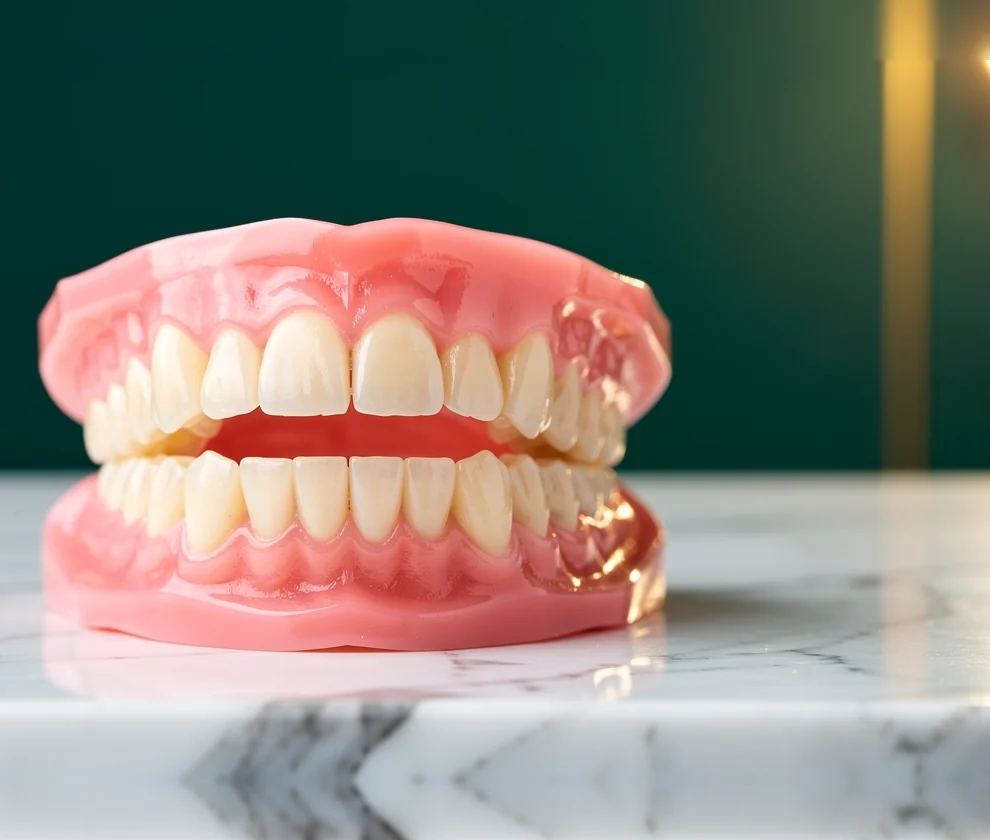
A complete denture is a removable full set of replacement teeth for a jaw where every natural tooth is missing, made from an acrylic base carrying denture teeth. At Er Dental Clinic in Istanbul, Turkey, complete dentures are made from impressions after a full assessment, then fitted and adjusted for comfort.
Written by Er Dental Clinic
Treatment at a glance
Complete Dentures, Step by Step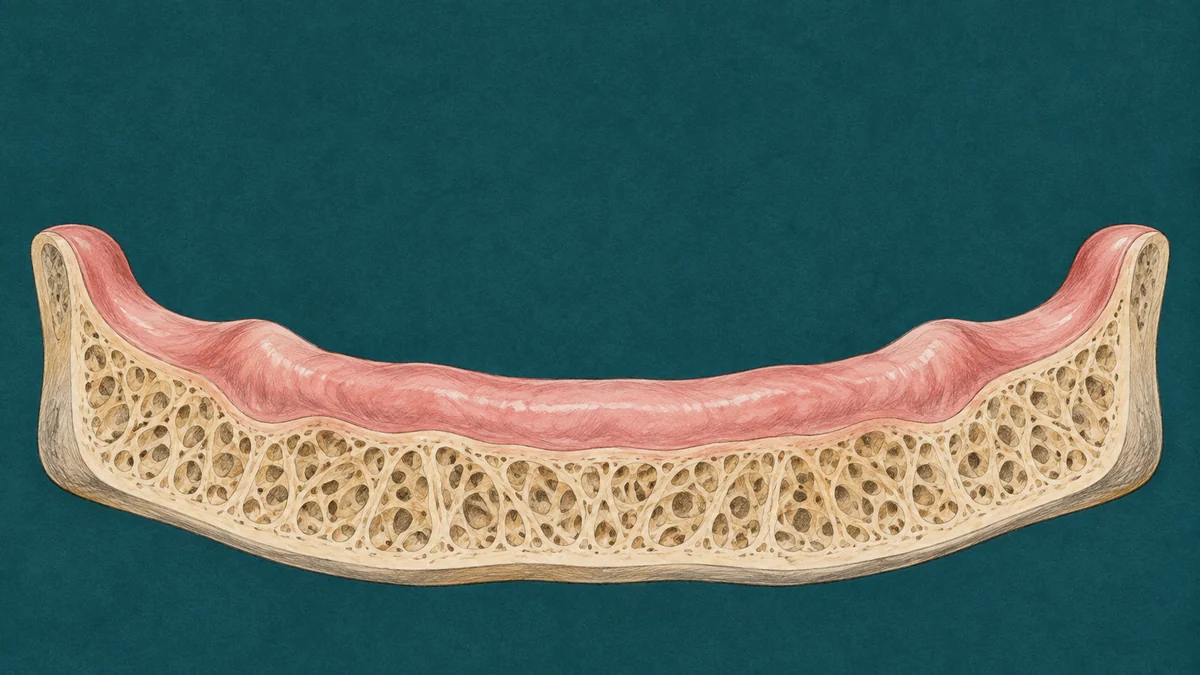
- 1ImpressionsA preliminary impression is taken, followed by a final impression with a custom tray.
- 2Bite recordA record of how your upper and lower jaws meet is taken to set the denture teeth correctly.
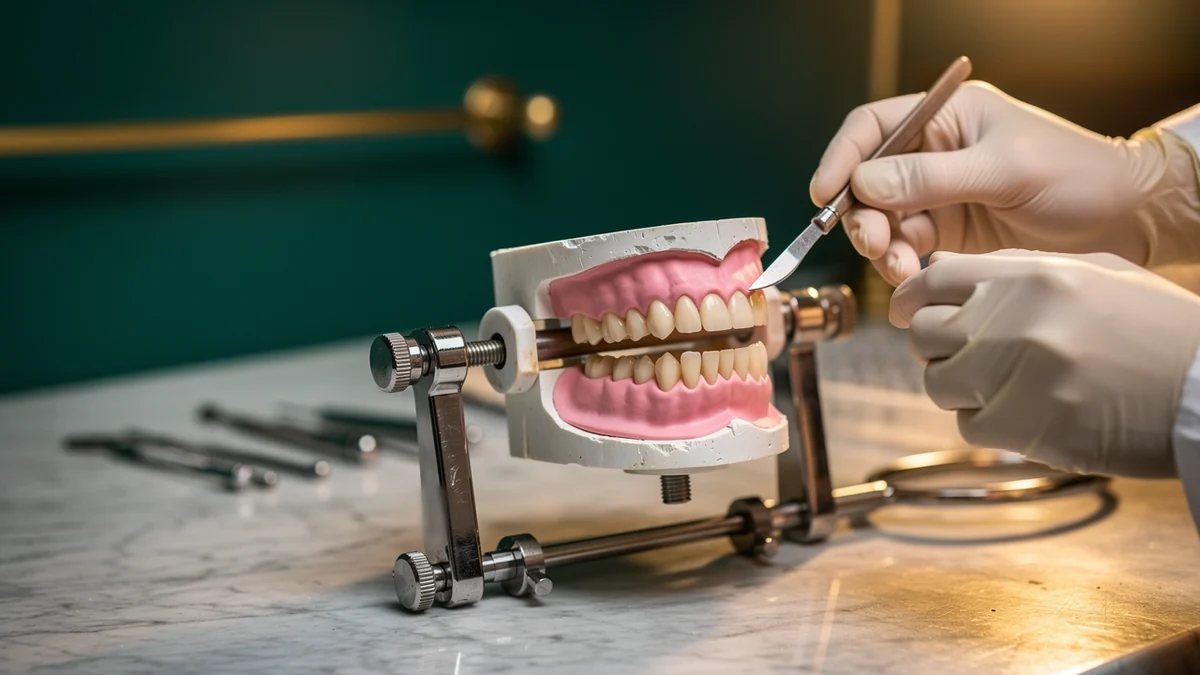
- 3Wax try-inA wax version of the denture is tried in your mouth so the fit, bite and appearance can be checked before it is finished.
- 4Fitting and adjustmentsThe finished denture is fitted and adjusted for comfort and bite.
- 5ReviewA follow-up visit checks the fit once you have worn the denture for a while.
What Are Complete Dentures?
A complete denture, sometimes called a full denture, replaces every natural tooth in one jaw with a set of replacement teeth set into a gum-coloured acrylic base. It is removable: you take it out to clean it and, unless your dentist advises otherwise, usually overnight. An upper complete denture covers the palate as well as the gum ridge, which adds surface area for it to stay in place; a lower complete denture rests on a narrower, horseshoe-shaped ridge and generally has less surface to hold onto, which is why some patients find the lower denture less secure than the upper one.
This page covers conventional complete dentures made after any extractions have healed. If some natural teeth remain, a partial denture is usually the right page instead; if teeth are being removed and you want teeth from the day of extraction, see immediate dentures. Where a lower denture keeps moving, implants can be added later to hold it more securely — that option is covered on our overdentures page.
Complete Dentures at a Glance
Fits one jaw or both: a complete denture is made for whichever jaw has no remaining natural teeth; many patients need one for each jaw, others only one.
Material: a pink acrylic (PMMA) base carrying denture teeth, custom-fitted to the shape of your gums.
How it stays in place: the upper denture is held mainly by suction against the palate and gum ridge; the lower denture relies more on muscle control and the shape of the ridge, which is why it is often felt as less stable.
Over time: the gums and jawbone continue to change shape after teeth are lost, so a denture that fits well at first may need relining, rebasing or remaking later.
What holds a complete denture in place?
Read this diagram as text
- Denture teeth
- The visible replacement teeth, set into the acrylic base
- Acrylic base
- Gum-coloured base moulded to the shape of your gums
- Gums
- The soft tissue the denture rests and seals against
- Jawbone
- Supports the gum ridge and continues to change shape after tooth loss
When Are Complete Dentures Considered?
A complete denture is considered when all the natural teeth in a jaw are already missing, or when the remaining teeth cannot be saved and are due to be removed. Tooth loss of this extent is covered in more detail on our missing teeth page, including the common causes such as advanced gum disease, extensive decay, or teeth lost over many years. Complete dentures are also remade when an existing one has become loose or ill-fitting after the gums and jawbone have changed shape; see our dedicated page on loose or ill-fitting dentures for the signs that a denture needs attention.
Who Are Complete Dentures Suitable For?
Complete dentures suit patients who have lost, or are about to lose, all the natural teeth in a jaw and want a removable, non-surgical way to replace them. They are considered whatever the reason for tooth loss, and can be planned for one jaw or both. Complete dentures are also a practical option for patients who are not able or do not wish to have implant surgery, or who want to see how a full set of replacement teeth looks and feels before considering an implant-supported alternative later.

Who Might Complete Dentures Not Suit?
A conventional complete denture may not be the right first choice for patients whose lower denture has kept moving even after adjustment or relining, since the lower ridge often gives a conventional denture the least to hold onto; an implant-retained overdenture is usually assessed for this group instead. Patients who want teeth that are not removed daily, and who have suitable bone, may prefer to discuss a fixed, implant-supported alternative rather than a removable denture.
A complete denture is also not the right page if some natural teeth remain and can be kept — in that case a partial denture, which uses the remaining teeth for extra support, is usually considered first.
Assessment Before Complete Dentures
Assessment starts with a free online consultation: you send photos and, if you have them, X-rays or details of a previous denture, and our dentists reply with a written treatment plan. At the clinic, a clinical examination checks your gums, jaw relationship and any remaining teeth that need to be removed first, so healing can be complete before final impressions are taken.
How Complete Dentures Are Made, Step by Step
Making a well-fitting complete denture takes several visits, each building on the one before, so the final denture matches the exact shape of your gums and the way your jaws meet.
What are the stages of making a complete denture?
Read this diagram as text
- Impressions: A preliminary impression is taken, followed by a final impression with a custom tray.
- Bite record: A record of how your upper and lower jaws meet is taken to set the denture teeth correctly.
- Wax try-in: A wax version of the denture is tried in your mouth so the fit, bite and appearance can be checked before it is finished.
- Fitting and adjustments: The finished denture is fitted and adjusted for comfort and bite.
- Review: A follow-up visit checks the fit once you have worn the denture for a while.
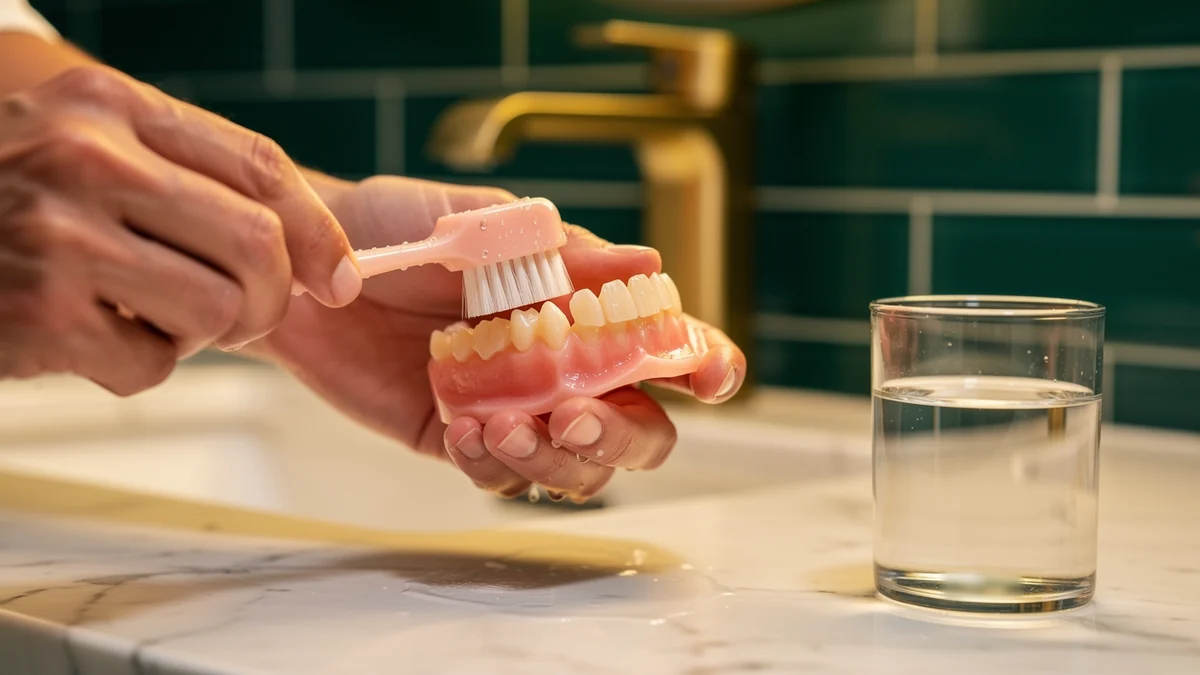
Aftercare: Looking After a New Complete Denture
It is common to notice extra saliva, some difficulty with certain words, and one or two sore spots while your mouth adapts to a new complete denture; your dentist adjusts the fit at review visits to settle these points.
- Remove and clean the denture daily with a denture brush and a non-abrasive cleaner, not ordinary toothpaste.
- Leave the denture out overnight, or as your dentist advises, to let the gums rest.
- Rinse the denture after meals and keep the gums and any remaining teeth clean as well.
- Bring the denture with you to check-up visits so the fit can be reviewed.
- Tell your dentist promptly about a sore spot that does not settle, a crack, or a denture that has started to feel loose.
Before you leave Istanbul, you receive written aftercare instructions, and the clinic offers remote follow-up once you are home.
What to Expect from Complete Dentures
A well-fitted complete denture restores the appearance of a full set of teeth and support for the lips and cheeks, and most patients return to a fairly normal diet once they have adjusted to wearing it. The upper denture is usually felt as more secure from the start because of the palate seal, while the lower denture often takes longer to feel stable and may always feel less fixed than the upper one. Results depend on the shape of your gums and jawbone and on keeping to the fit checks your dentist recommends, since the ridge continues to change shape over time.
Limitations of Complete Dentures
A complete denture rests on the gums rather than being anchored in the jawbone, so it does not stop the jawbone from continuing to change shape after tooth loss, and it can feel less secure than natural teeth when biting into harder foods. Because fit depends on the gums, a denture that suits you well today will not suit you indefinitely — most patients need relining, rebasing or a new denture as the ridge changes. Where a lower denture keeps moving despite these adjustments, an implant-retained overdenture or a fixed implant-supported option is usually the next step your dentist discusses with you.
Risks and Possible Complications
Complete dentures are a well-established, non-surgical treatment, but a few points are worth knowing before you start:
Sore spots
Sore spots, usually from a small area of the denture rubbing the gum, which your dentist adjusts at a review visit.
Looseness or clicking
Looseness or clicking, more common with the lower denture, which can often be improved with adjustment or relining.
Speech changes
Speech changes, which usually settle with practice as your tongue and lips adapt.
Gum irritation
Gum irritation if the denture is worn continuously without being cleaned or rested overnight.
Ongoing bone and gum changes
Ongoing bone and gum changes, which mean the fit gradually changes and periodic relining or remaking is expected rather than a sign that something has gone wrong.
Your dentist reviews which of these points are relevant to your case at your assessment.
How We Plan Complete Dentures at Er Dental Clinic
Complete dentures at Er Dental Clinic are planned and fitted by our dentists, including Vijdan Aslanoğlu, following an assessment of your gums, jaw relationship and any remaining teeth. You can read more about the dentists who see denture patients at our clinic on our dedicated dentists page. Every plan is confirmed in writing before you travel, and the clinic holds an International Health Tourism Authorization Certificate issued by the Republic of Türkiye Ministry of Health (certificate no. ST-6264).
Alternatives to Complete Dentures
A complete denture is one of several ways to replace all the teeth in a jaw, and which one suits you depends on your bone, your remaining teeth and whether you want a removable or a fixed result.
Partial denture. Considered instead of a complete denture when some natural teeth can still be kept and used for support; see our partial dentures page.
Immediate denture. Fitted on the same day teeth are removed, so you are not without teeth while the gums heal; see our immediate dentures page.
Implant-retained overdenture. A removable denture that clips onto two or more implants for extra stability, most often used for a loose lower denture; see our overdentures page.
Fixed implant-supported teeth. Dental implants can support a fixed, non-removable set of teeth instead of a denture, for patients with suitable bone who prefer not to remove their teeth daily.
Frequently Asked Questions
How long does it take to make complete dentures?
Making a complete denture usually needs several visits — impressions, a bite record, a wax try-in and final fitting — so the shape and bite can be checked at each stage. The exact number of appointments and time between them is set out in your written treatment plan, since it depends on whether any teeth need to be removed and healed first.
How long does it take to get used to a complete denture?
Most patients need a few weeks to feel confident eating and speaking with a new complete denture, as the muscles of the cheeks, lips and tongue learn to keep it in place. Starting with softer foods and reading aloud to practise speech both help the adjustment period feel shorter.
Why does the lower denture feel less secure than the upper one?
The lower denture rests on a narrower, horseshoe-shaped ridge with less surface area than the palate the upper denture seals against, so it relies more on muscle control to stay in place. If a lower denture keeps moving even after adjustment, an implant-retained overdenture is usually assessed next.
Can I eat normally with complete dentures?
Most patients return to a fairly normal diet once they have adjusted to a complete denture, though very hard or sticky foods can still be more difficult than with natural teeth. Cutting food into smaller pieces and chewing evenly on both sides usually makes eating more comfortable.
Do I need a denture for one jaw or both?
It depends on how many natural teeth remain in each jaw. Some patients need a complete denture for both the upper and lower jaw, while others only need one, with natural teeth or another type of denture in the other jaw.
How long do complete dentures last?
There is no fixed lifespan, because the gums and jawbone continue to change shape after teeth are lost, gradually altering the fit. Dentures are reviewed regularly, and as the ridge changes they may need relining, rebasing or remaking rather than lasting unchanged indefinitely.
Related Reading on Tooth Replacement Options
Complete dentures sit alongside partial and immediate dentures as removable ways to replace missing teeth, and share the same tendency for fit to change as the jawbone remodels after tooth loss — a process covered in more detail on our missing teeth page. Patients whose lower denture keeps moving despite adjustment often go on to read about implant-retained overdentures, and our loose or ill-fitting dentures page explains the common causes and fixes for a denture that no longer feels secure.
Getting Used to Complete Dentures in Daily Life
Most patients need a few weeks to feel confident eating and speaking with a new complete denture, and it helps to start with softer foods cut into small pieces before moving back to a fuller diet. Reading aloud for a few minutes a day is a common way to practise words that feel different at first, and most patients find speech returns close to normal well before the denture stops feeling new. Cleaning the denture and resting the gums overnight, or as your dentist advises, becomes part of the daily routine, and your dentist shows you the technique before you leave Istanbul.
References
Book a Consultation for Complete Dentures in Istanbul
Send us your photos, and X-rays if you have them, for a free online consultation. Our dentists review your gums and remaining teeth and reply with a written treatment plan, so you can compare your options before you decide to travel.
Find the Right Path for You
There are many different conditions and options in this area — browse by topic below, or answer a few questions to see the step closest to your situation.
Explore by Topic
The Basics
1 page
Dentistry · Esenyurt, İstanbul
Why Er Dental Clinic?
Related Pages
Dentures in Turkey: Complete, Partial, Immediate and Implant Options
Er Dental Clinic: Meet the Dentists Who Plan and Carry Out Your Treatment
Free Online Dental Consultation: Send Your Photos and X-Rays for a Written Plan
Dt. Vijdan Aslanoğlu – Dentist at Er Dental Clinic, Istanbul
Contact Er Dental Clinic
How Much Are Turkey Teeth? Treatment Prices at Er Dental Clinic, Istanbul
Your treatment plan · 3 short steps
Get your personal denture plan
Answer a few quick questions — it takes about a minute. Our dentists review your answers and reply with a written treatment plan and a clear price for your case, before you decide anything.
- Your treatmentWhat are you looking for?
- Your timingX-ray, dates and how we reply
- Your detailsSo we can send your plan
What you receive
- A written treatment plan prepared by our dentists
- A clear price for your case before you travel
- No obligation — ask every question first
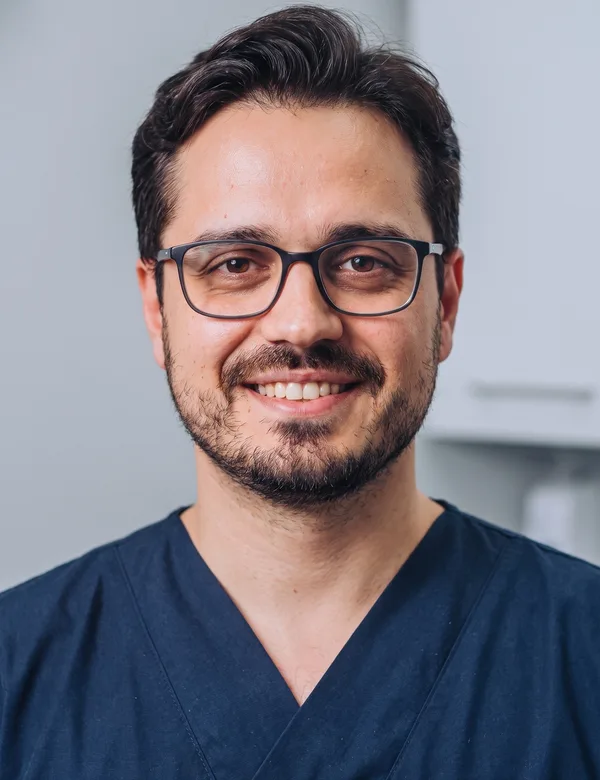
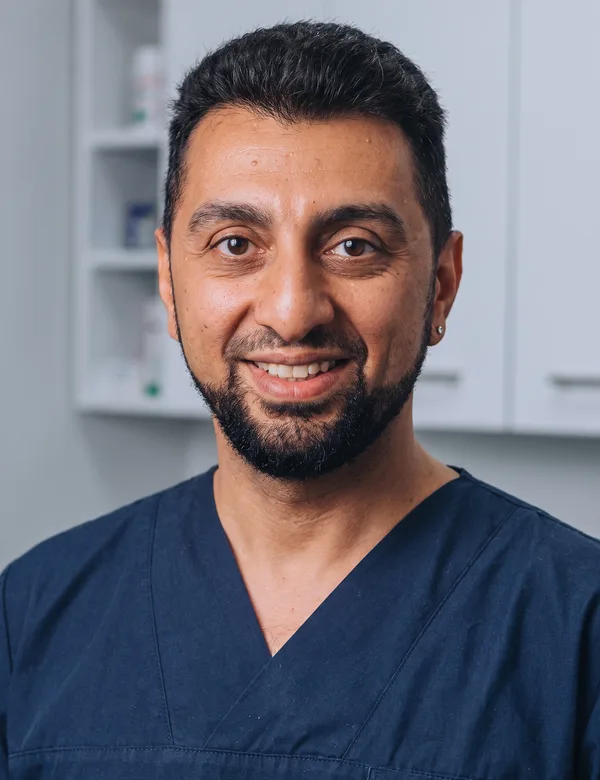

Your answers are reviewed by our dentist teamErtan Omerov · Enes Yol · Ahmet Mustafa Zeren · Vijdan Aslanoğlu