
Professional Teeth Cleaning in Turkey: Scaling, Polishing and Deep Cleaning
Professional dental cleaning (scale and polish) removes tartar and staining a toothbrush cannot reach, at Er Dental Clinic in Istanbul, Turkey. Ask on WhatsApp.
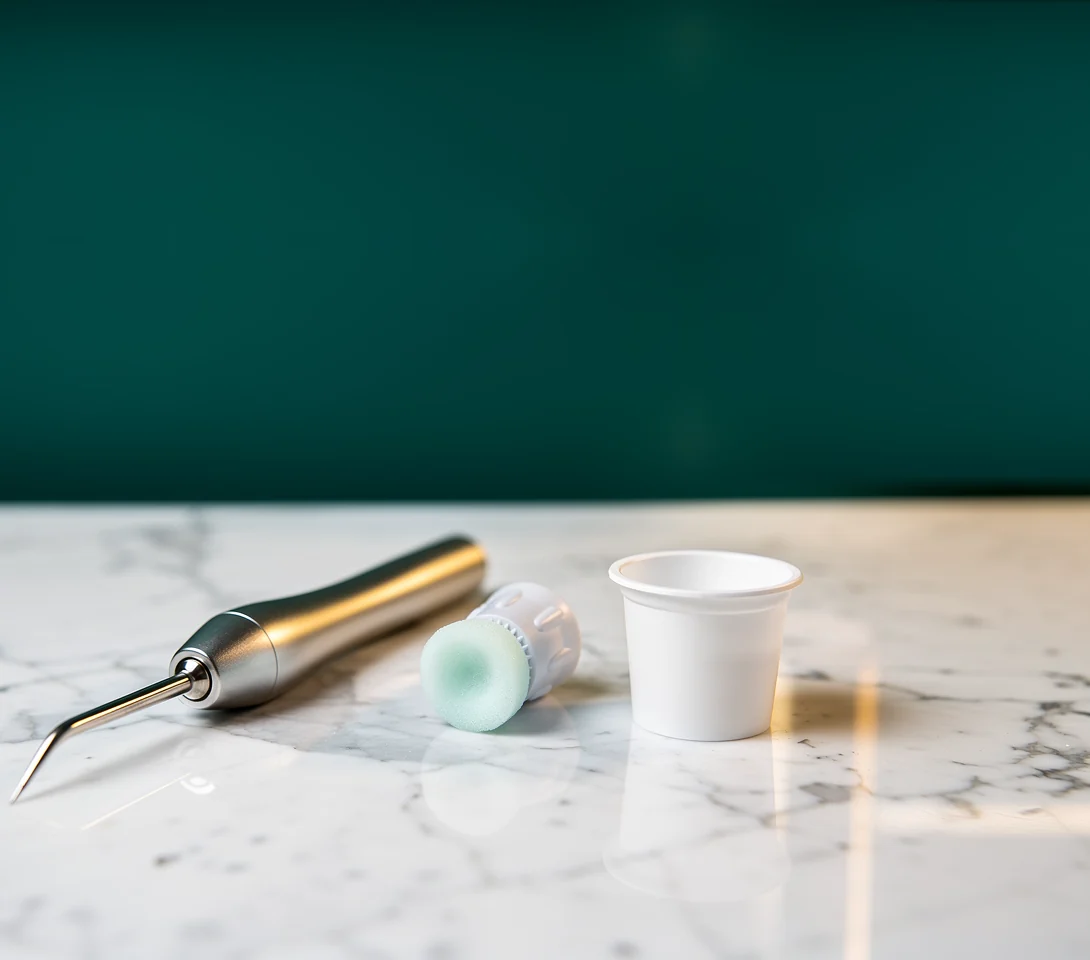
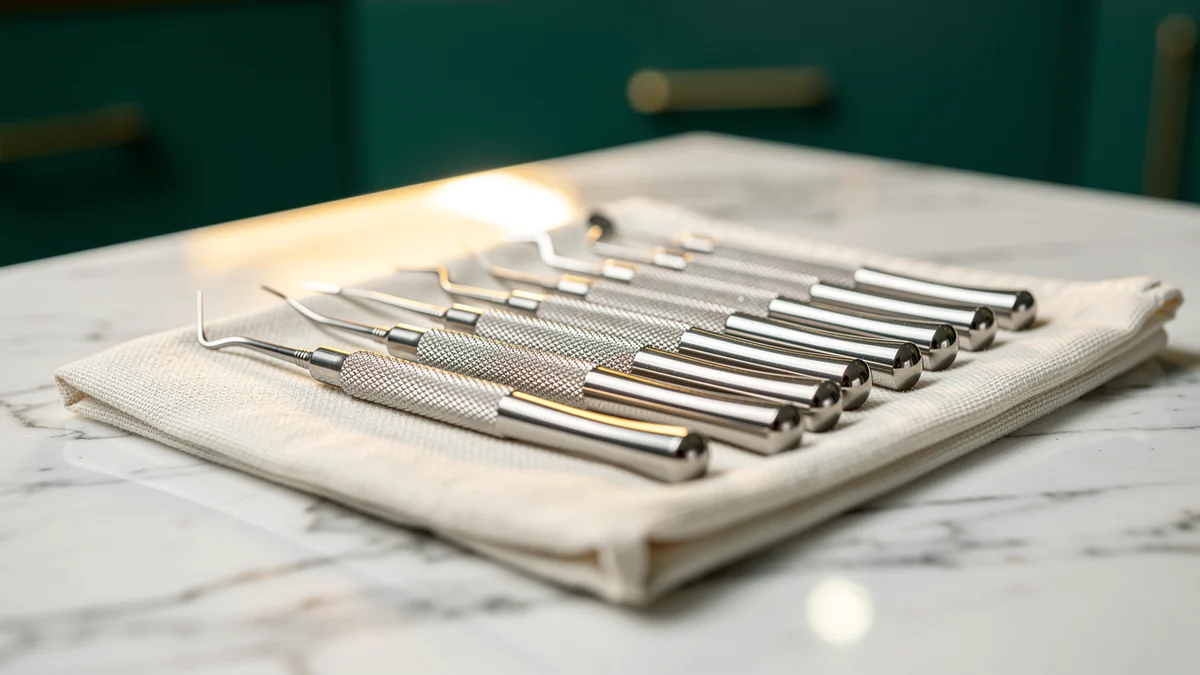
Professional dental cleaning, often called a scale and polish, removes tartar and surface staining that a toothbrush cannot reach, using hand instruments and an ultrasonic tip followed by polishing. At Er Dental Clinic in Istanbul, Turkey, your gums are checked first so a scale and polish, deep cleaning or root planing can be recommended for your case.
Written by Er Dental Clinic
At a glance
How a Scale and Polish Works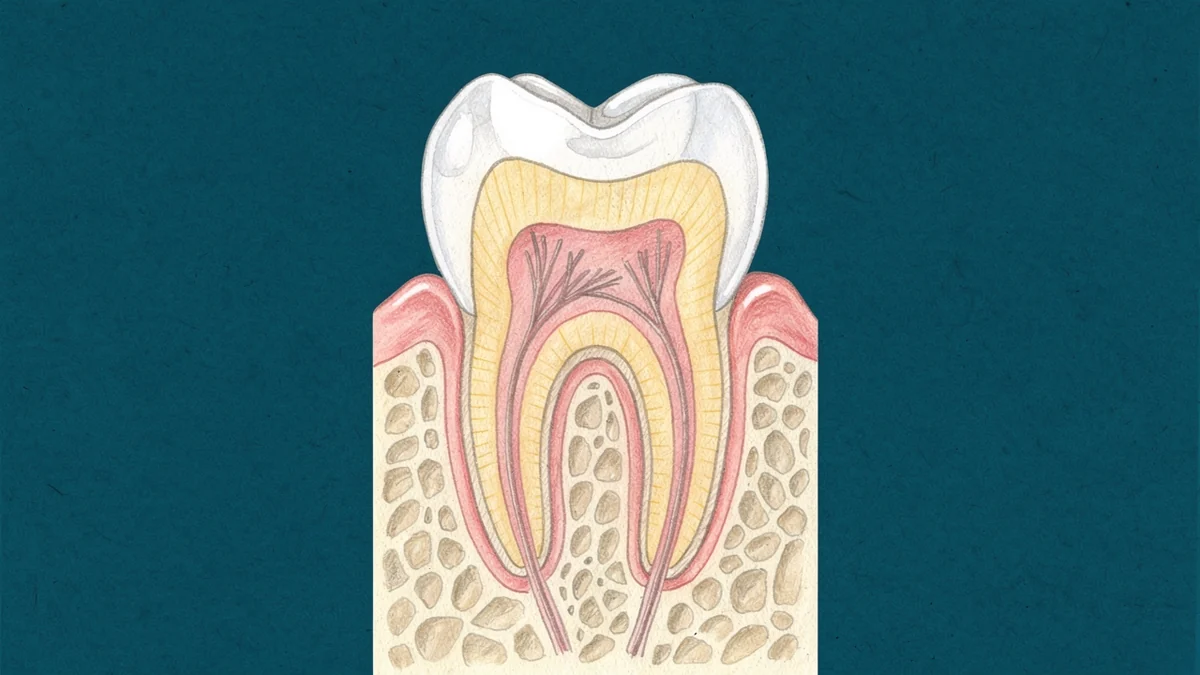
- 1Gum checkYour gums are checked and, where needed, gently probed to measure pocket depth around each tooth, so your dentist can see whether tartar has spread below the gum line.
- 2Remove tartar (scaling)Tartar above the gum line is removed with hand instruments and an ultrasonic scaler.
- 3Clean below the gum if neededIf pockets are present, the same instruments are used more carefully below the gum line to clean the root surface, sometimes under local anaesthesia.
- 4PolishOnce the tartar has been removed, your teeth are polished to smooth the surface and reduce staining.
What Is Professional Dental Cleaning?
Professional dental cleaning, often called a scale and polish, removes tartar (hardened plaque, also known as calculus) and surface staining that an ordinary toothbrush cannot reach. Scaling uses hand instruments and, usually, an ultrasonic tip to break tartar away from the tooth surface, while polishing smooths the enamel afterwards and reduces staining from tea, coffee, red wine or smoking.
Some patients only need a standard scale and polish above the gum line. Others, particularly where tartar and bacteria have spread below the gum line, need a deeper clean, sometimes called root planing or periodontal deep cleaning. Which one you need is decided after your gums are checked, not before.
This page explains when professional cleaning is recommended, what happens at the appointment, and how a standard clean differs from a deeper one. For an overview of every general dental treatment we offer, see our general dentistry page.
Dental Cleaning at a Glance
What it treats: tartar buildup, surface staining, plaque along and below the gum line, and early gum inflammation.
Anaesthesia: a standard scale and polish usually needs no anaesthesia; local anaesthesia may be used for root planing if your gums are tender or the pockets are deep.
Visit length: a standard clean is usually completed in a single visit; a deeper clean below the gum line may be planned over one or more visits depending on how many areas need attention.
Aftercare: mild sensitivity or brief bleeding is common for a short time; you can usually return to normal eating and brushing the same day.
When Is Professional Cleaning Needed?
Professional cleaning is recommended when tartar has built up on your teeth, when you or your dentist notice surface staining, or when your gums bleed or look swollen. It is also used as routine maintenance between other treatments, since keeping your gums healthy supports the long-term result of fillings, crowns and other restorations.
Bleeding or swollen gums. Bleeding gums are usually the first sign of gum inflammation, known as gingivitis, which generally responds well to good brushing at home combined with a professional cleaning. If plaque and tartar are left untreated, the inflammation can progress to periodontitis, where pockets form between the tooth and gum and a deeper clean, such as subgingival scaling or root planing, is needed; your dentist may also recommend ongoing periodontal review in more advanced cases.
Plaque left on the teeth is also the main cause of tooth decay, so keeping it under control with regular cleaning is part of preventing cavities as well as protecting your gums.
Who Professional Cleaning Suits
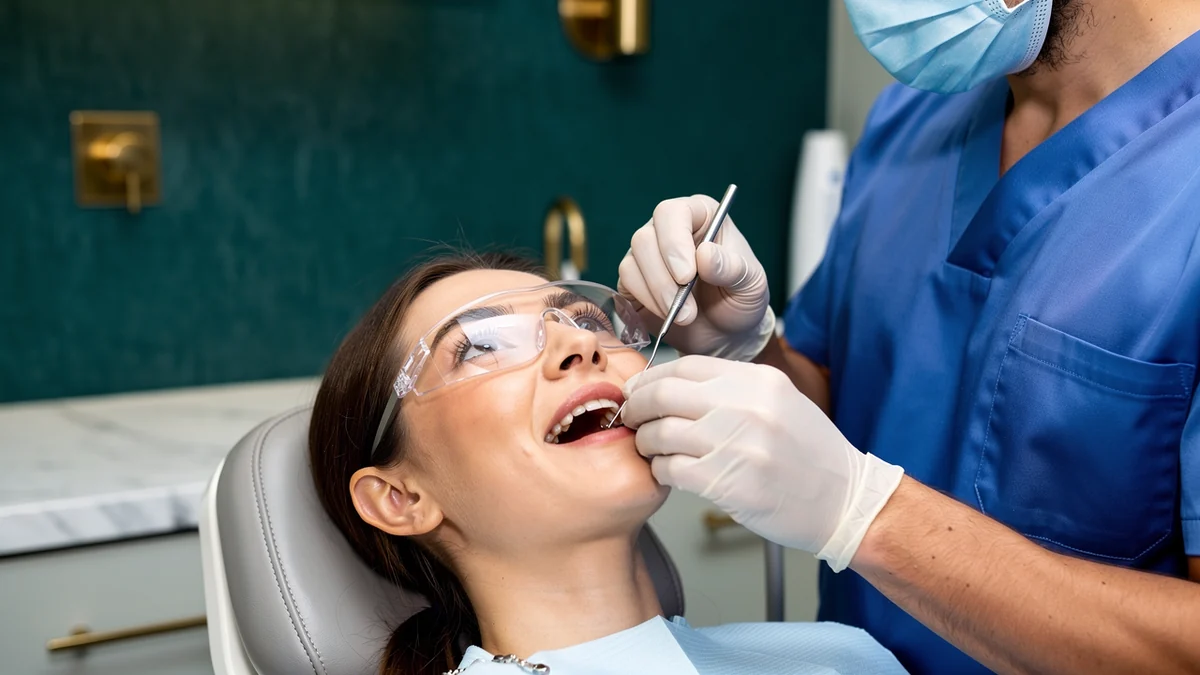
Professional cleaning suits anyone who is combining it with other dental work in Istanbul or coming for a cleaning on its own. It is particularly worthwhile if you can feel tartar with your tongue, if you have noticed new staining, or if you are overdue for a check-up and clean with your own dentist at home.
It is also a sensible first step before other treatment: cleaning your teeth and reviewing your gums first helps your dentist plan fillings, crowns or other restorations on a healthy foundation. If you grind or clench your teeth, it is worth asking your dentist at the same visit whether bruxism treatment, such as a custom night guard, would help protect your teeth going forward.
When Cleaning May Need to Wait or Be Adapted
Acute infection first
If you have an active dental abscess or acute swelling, this is usually addressed before a routine cleaning appointment.
Some heart conditions
A small number of heart conditions call for medical advice before a deeper clean is carried out; tell your dentist about any heart condition at your first visit.
Blood-thinning medicines
If you take blood thinners, let your dentist know beforehand, since this can affect how a deeper clean below the gum line is planned.
Your dentist reviews your medical history before recommending which type of cleaning is right for you.
Assessment Before Cleaning
Before you travel. You can start with a free online consultation, sending photos so our dentists can give an initial view on the kind of cleaning that is likely to help.
At the clinic. Your gums are checked and, where needed, gently probed to measure pocket depth around each tooth, so your dentist can see whether tartar has spread below the gum line. X-rays are taken if bone loss around the teeth is suspected. This assessment decides whether a standard scale and polish, a deep clean or root planing is the right next step.
How Is Professional Cleaning Done?
A cleaning appointment starts with a check of your gums, including probing to measure any pockets, so your dentist knows exactly where tartar has built up. Tartar above the gum line is then removed with hand instruments and an ultrasonic scaler; if pockets are present, the same instruments are used more carefully below the gum line to clean the root surface, sometimes under local anaesthesia.
Once the tartar has been removed, your teeth are polished to smooth the surface and reduce staining, and your dentist finishes with home-care advice tailored to the areas that needed the most attention.
What Are the Steps of a Professional Cleaning?
Read this diagram as text
- Gum check: Your gums are checked and, where needed, gently probed to measure pocket depth.
- Remove tartar (scaling): Tartar above the gum line is removed with hand instruments and an ultrasonic scaler.
- Clean below the gum if needed: Where pockets are present, the root surface is cleaned below the gum line, sometimes under local anaesthesia.
- Polish: The tooth surface is polished to smooth it and reduce staining.
- Home-care advice: Your dentist gives brushing and interdental cleaning advice tailored to your gums.
Aftercare After Cleaning
In the first day
Mild sensitivity to hot, cold or sweet foods is common for a short time, and your gums may bleed a little when you brush, especially if they were inflamed beforehand.
Diet
It is worth avoiding strongly staining foods and drinks, such as red wine, coffee or tobacco, for a day or so while your teeth resettle after polishing.
Home care
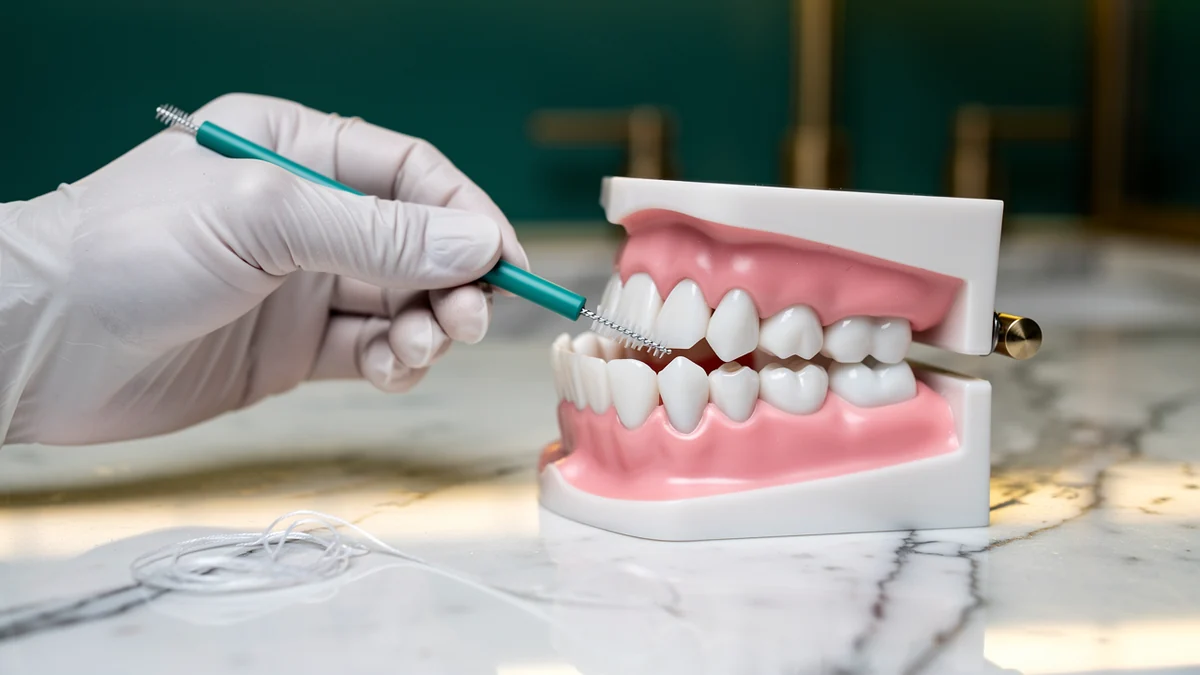
Your dentist usually recommends interdental brushes or floss to keep the areas between your teeth clean between visits, which helps the results of a professional cleaning last longer.
What to Expect from Professional Cleaning
After a professional cleaning, tartar and surface staining are removed and your teeth generally feel smoother to the tongue. If gum inflammation was present beforehand, gums that were red, puffy or prone to bleeding usually settle over the following one to two weeks as you keep up brushing and interdental cleaning at home. A cleaning changes how your teeth feel and how healthy your gums look, but it is not a whitening treatment, so the natural colour of your teeth is not changed beyond the removal of surface stain.
Limitations of Professional Cleaning
It is not whitening. Cleaning removes surface staining sitting on top of the tooth, but it does not change the underlying shade of your teeth, so it should not be confused with a cosmetic whitening treatment.
Periodontitis may need ongoing care. Where gum pockets have already formed, a single deep clean is often not the end of the story; your dentist may recommend a course of root planing and regular periodontal review to keep the condition controlled.
Cleaning does not repair a cavity. Cleaning helps prevent decay by controlling plaque, but it cannot treat a cavity that has already formed. A cavity is treated with a tooth filling or, for a larger area of decay, an inlay or onlay restoration; if decay has reached the nerve, root canal treatment is needed instead, and a tooth that cannot be saved may need a tooth extraction. Tartar also tends to reform over time, so how often you need another cleaning depends on your diet and home-care routine.
Risks and Possible Effects of Cleaning
Sensitivity
Mild sensitivity to hot, cold or sweet foods is common for a short time after cleaning, particularly if the gums have receded slightly around a tooth.
Gum soreness or bleeding
Gums that were already inflamed may feel tender or bleed a little for a day or two afterwards.
Minor damage to filling edges
Very rarely, the edge of an existing filling can be marked during scaling; this is checked and addressed by your dentist if it happens.
Root sensitivity after deeper cleaning
After root planing, the exposed root surface can feel sensitive to temperature for longer than after a standard clean, and usually settles within a couple of weeks.
Your dentist explains which of these are relevant to your gums before starting.
How We Assess Cleaning at Er Dental Clinic
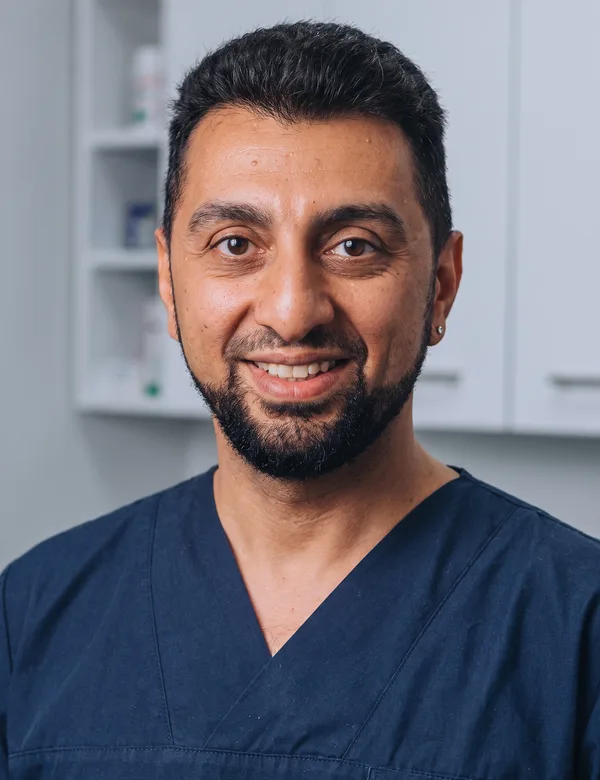
Cleaning appointments at Er Dental Clinic are assessed and carried out by our dental team under the guidance of Dt. Ertan Ömerov, whose background is in periodontology and implantology, alongside our other dentists in Istanbul. Your gums are checked and, if needed, measured before any scaling begins, and the type of cleaning proposed is written into your treatment plan. The clinic holds an International Health Tourism Authorisation Certificate issued by the Republic of Turkiye Ministry of Health (certificate no. ST-6264), which you can check on the e-Devlet document verification service at turkiye.gov.tr/saglik-bakanligi-ebys.
Alternatives to Professional Cleaning
If your gums are healthy and free of tartar, thorough brushing and interdental cleaning at home may be enough between routine check-ups, and your dentist can tell you whether professional cleaning is needed at this stage or can reasonably wait. For patients at higher risk of decay, fluoride treatment is often recommended alongside cleaning to strengthen the enamel, and dental sealants can help protect decay-free grooves on back teeth from future cavities. Professional cleaning does not lighten the natural colour of your teeth; if you are also interested in a brighter smile, that is a separate cosmetic discussion with your dentist.
Dental Cleaning: Frequently Asked Questions
How much is a dental cleaning in Turkey?
At Er Dental Clinic, professional dental cleaning and scaling is priced from £95 / €110 / $130, deep dental cleaning is £130 / €150 / $175, and root planing (periodontal deep cleaning) is £430 / €500 / $580. Which type you need, and the final price, is confirmed once your gums have been checked.
What is the difference between a scale and polish and a deep clean?
A scale and polish removes tartar and staining from the visible part of the tooth, above the gum line, then smooths the surface. A deep clean, sometimes called root planing, also reaches below the gum line to clean the root surface where pockets have formed. Your dentist decides which one you need after checking your gums.
Does teeth cleaning hurt?
A standard scale and polish is not usually painful, though you may feel some pressure or brief sensitivity, especially around inflamed gums. A deeper clean below the gum line can feel more sensitive, so local anaesthesia is sometimes used for root planing.
How often should I have my teeth professionally cleaned?
There is no single interval that suits everyone; how often you need a professional cleaning depends on how quickly tartar builds up for you, your gum health and your home-care routine. Your dentist recommends an interval based on your own risk rather than a fixed rule.
Why do my gums bleed when I brush?
Bleeding gums are usually the first sign of gum inflammation, known as gingivitis, which is commonly caused by plaque and tartar along the gum line. This normally improves with good brushing at home and a professional cleaning; if it continues, deeper gum pockets may need to be checked.
Will cleaning make my teeth whiter?
Cleaning removes surface staining from tea, coffee, red wine or smoking, so your teeth can look a little brighter afterwards, but it does not change the underlying shade of your teeth in the way a cosmetic whitening treatment does.
Can I combine a cleaning with other treatment in Istanbul?
Yes, many patients have a professional cleaning at the same visit as other general or restorative dental treatment, since healthy gums support the long-term result of fillings, crowns and other restorations. Let us know when you send your photos for your free online consultation so this can be included in your plan.
Related Preventive Care
Professional cleaning is one part of preventive dentistry at Er Dental Clinic. The pages below cover the other preventive treatments and where to start.
General Dentistry in Turkey
An overview of check-ups, fillings, root canal treatment and every general dental service we offer.
Explore general dentistryFluoride Treatment
Professional fluoride varnish to help strengthen enamel and support early decay prevention.
Explore fluoride treatmentDental Sealants
A protective coating for the grooves of back teeth, placed without any drilling.
Explore dental sealantsScale and Polish, Deep Cleaning or Root Planing?
"Deep cleaning" is used differently from clinic to clinic, so the comparison below sets out three straightforward differences between the three cleaning types offered at Er Dental Clinic. Your dentist confirms which one applies to you after checking your gums.
How Do the Three Types of Cleaning Compare?
Read this diagram as text
| Criterion | Scale and polish | Deep cleaning | Root planing |
|---|---|---|---|
| Removes tartar above the gum line | ✓ Yes | ✓ Yes | ✓ Yes |
| Reaches below the gum line | ✗ No | ✓ Yes | ✓ Yes |
| Treats gum pockets | ✗ No | ✗ No | ✓ Yes |
Returning to Daily Life After Cleaning
Most patients return to normal eating and drinking straight after a standard scale and polish, with no need to take time off work or other plans. If root planing was carried out under local anaesthesia, it is sensible to avoid hot drinks and chewing on the numb side of your mouth until the feeling fully returns, which is usually within a couple of hours.
References
- Gum disease — NHS, 2026
- Gum disease — Oral Health Foundation, 2026
- Gum Disease — American Dental Association (MouthHealthy), 2026
Ask About Dental Cleaning in Istanbul
Send us your photos for a free online consultation. Our dentists will give an initial view on whether a standard scale and polish or a deeper clean is likely to suit you, and reply with a written plan and a clear quote before you decide to travel. You can also contact us directly with any questions.
Find the Right Path for You
There are many different conditions and options in this area — browse by topic below, or answer a few questions to see the step closest to your situation.
Explore by Topic
The Basics
2 pagesDiagnosis & Methods
2 pages
Dentistry · Esenyurt, İstanbul
Why Er Dental Clinic?
Related Pages
Tooth Fillings in Turkey: White Composite Fillings and Amalgam Replacement
Tooth Extraction in Turkey: Simple, Surgical and Wisdom Tooth Removal
Dental (Fissure) Sealants: Protecting the Grooves of Back Teeth
Professional Fluoride Treatment: How Fluoride Varnish Helps Protect Teeth
Er Dental Clinic: Meet the Dentists Who Plan and Carry Out Your Treatment
Free Online Dental Consultation: Send Your Photos and X-Rays for a Written Plan
Dt. Ertan Omerov – MSc in Periodontology and Implantology, Er Dental Clinic Istanbul
Contact Er Dental Clinic
How Much Are Turkey Teeth? Treatment Prices at Er Dental Clinic, Istanbul
Teeth Grinding (Bruxism): Causes, Signs and What It Does to Your Teeth
Your treatment plan · 3 short steps
Get your personal treatment plan
Answer a few quick questions — it takes about a minute. Our dentists review your answers and reply with a written treatment plan and a clear price for your case, before you decide anything.
- Your treatmentWhat are you looking for?
- Your timingX-ray, dates and how we reply
- Your detailsSo we can send your plan
What you receive
- A written treatment plan prepared by our dentists
- A clear price for your case before you travel
- No obligation — ask every question first


Your answers are reviewed by our dentist teamErtan Omerov · Enes Yol · Ahmet Mustafa Zeren · Vijdan Aslanoğlu