
Loose or Ill-Fitting Dentures: Why It Happens and What Can Be Done
A loose or ill-fitting denture is usually fixed with an adjustment, reline, rebase, new denture or implant option. Get a free online assessment from our Istanbul clinic.
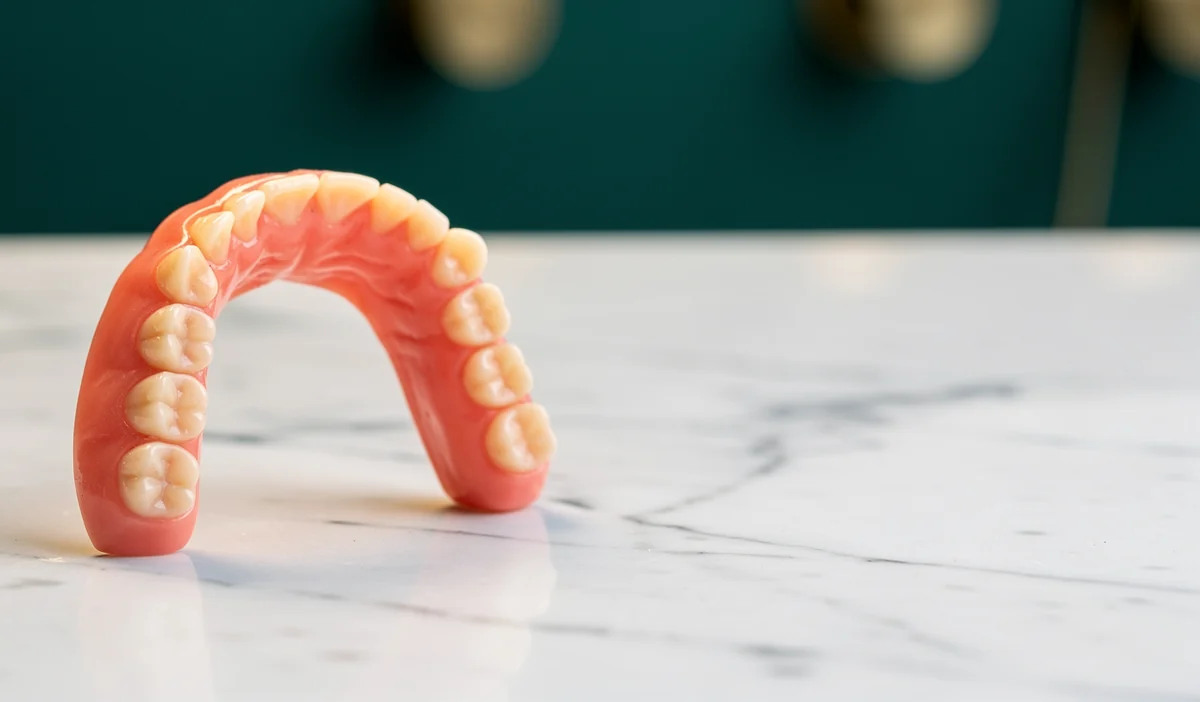
A denture becomes loose or ill-fitting when the gum and jawbone underneath it change shape over time, most often through gradual bone loss, along with weight change, a worn denture base or a poor bite. A dentist checks the fit and bite and recommends an adjustment, reline, rebase, new denture or implant-retained option.
Written by Er Dental Clinic
At a glance
Why a Denture Becomes Loose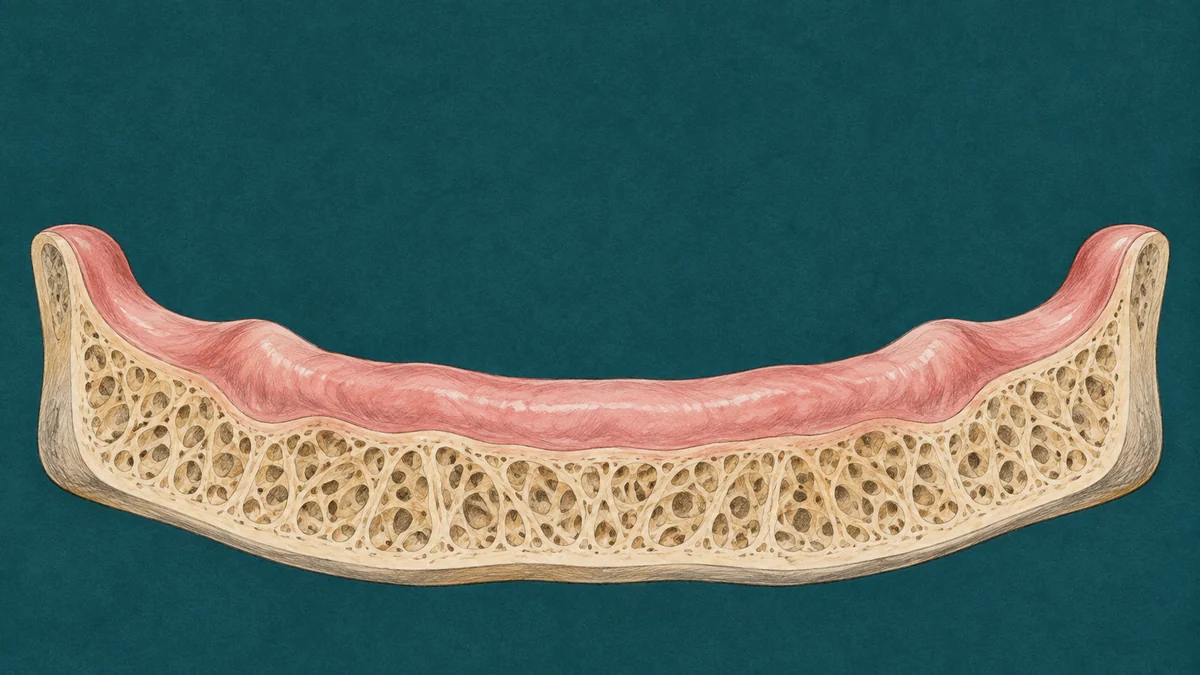
- 1Denture sits on the ridgeA denture rests on the gum and jawbone underneath it and is made to the shape of the ridge.
- 2Gum and jawbone changeThe gums and jawbone keep changing shape after teeth are removed, most often through gradual bone loss.
- 3The denture rocks or slipsThe fitting surface no longer follows the shape of the gum and jawbone underneath it, so the denture can rock, click or slip.
- 4RelineA reline adds new material to the fitting surface so it follows the current shape of the gum.
- 5Implants hold itFor a lower denture that keeps loosening even after a reline, implants can hold the denture in place with a snap-on attachment.
Why Do Dentures Become Loose or Ill-Fitting?
A denture usually becomes loose or ill-fitting because the gum and jawbone underneath it change shape over time, most often through gradual bone loss that continues after the teeth were removed. Weight change, a worn or cracked denture base, and a poor bite can also play a part. A dentist checks how the denture sits, how the bite meets, and whether the ridge underneath has changed, then recommends an adjustment, a reline, a rebase, a new denture or an implant-retained option, at the Dentures service.
Loose or Ill-Fitting Dentures at a Glance
A denture that once fitted well can start to rock, click, trap food or slip when you speak, and this is common rather than a sign that something has gone badly wrong. The gums and jawbone keep changing shape for years after teeth are removed, so a denture made for one stage of that change may not sit as well later. Fixes range from a same-visit adjustment, to a reline or rebase that reshapes the fitting surface, to a new denture or an implant-retained option such as an overdenture when looseness keeps coming back.
What Does 'Loose' or 'Ill-Fitting' Mean for a Denture?
‘Loose’ usually means the denture moves, clicks or drops slightly during speaking or eating, while ‘ill-fitting’ means the fitting surface no longer follows the shape of the gum and jawbone underneath it, even if the denture is not obviously moving. The two often overlap: a denture that no longer matches the ridge is also more likely to rock or slip. Dentists distinguish between a denture that simply needs an adjustment or reline and one where the ridge has changed enough that a new denture, or a different type of denture altogether, is the more realistic option.
Signs a Denture No Longer Fits Well
Several signs can show that a denture no longer fits as it should, and more than one often appears together:
Rocking or clicking
Rocking or clicking when you bite, chew or speak.
A denture that slips or drops
A denture that slips or drops, especially the lower denture, or when laughing or coughing.
Sore spots or a raw patch
Sore spots or a raw patch where the denture rubs against the gum.
Food trapping underneath
Food trapping underneath the denture more than before.
A change in how your bite meets
A change in how your bite meets, or denture teeth that look more worn.
Needing more adhesive than before
Needing more adhesive than before just to keep the denture in place.
If you notice any of these, a free online consultation is a simple first step — send photos and describe what is happening, and our dentists reply with an initial assessment.
Common Causes of Loose or Ill-Fitting Dentures
A denture usually becomes loose or ill-fitting for one or more of these reasons:
Bone and gum changes (resorption)
The ridge that supports a denture keeps reshaping for years after teeth are removed, particularly in the first months, which is why an early denture can need adjusting later — see our jawbone loss page for how this progresses.
Weight loss or gain
Weight loss or gain, which changes the shape and thickness of the gums the denture rests on.
A worn, cracked or old denture base
A worn, cracked or old denture base, since the acrylic itself can wear down or warp over years of use.
A poor or shifted bite
A poor or shifted bite, where the upper and lower dentures, or a denture and the remaining natural teeth, no longer meet evenly.
Dry mouth
Dry mouth, since saliva helps a denture stay in place through suction and surface tension.
A new immediate denture settling in
A new immediate denture settling in, which is expected to loosen somewhat as the gum heals after extractions — see our complete dentures page.
More than one of these can act together, which is why an assessment looks at the whole picture rather than a single cause.
When Should You See a Dentist About a Loose Denture?
Ordinary looseness that has crept in gradually can usually wait for a routine appointment, but some situations are worth seeing a dentist for sooner. Book an assessment promptly if you have a sore spot or ulcer that is not healing, noticeable swelling, pain when wearing the denture, or if the denture has cracked or a tooth has broken off it. A denture that has become suddenly and significantly looser, rather than gradually, is also worth checking rather than living with.
How Is a Loose or Ill-Fitting Denture Assessed?
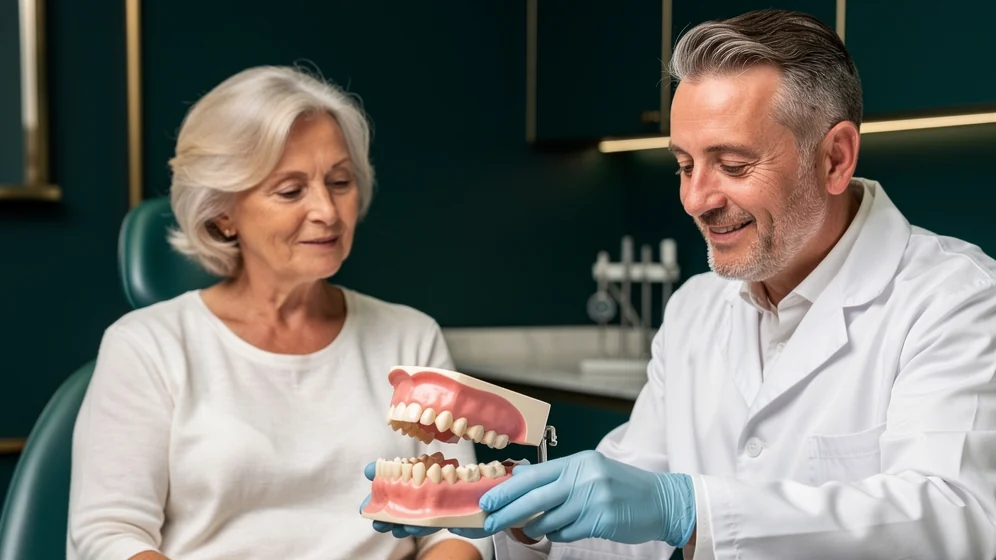
The assessment starts with the dentist looking at how the denture sits in the mouth: whether it rocks, how it meets the opposing teeth, and whether there are sore spots or pressure marks on the gum. The fit of the base against the ridge is checked, and where implants might help — for example a lower denture that keeps moving even after a reline — a CBCT scan is used to plan the number and position of implants. Depending on what is found, the dentist recommends an adjustment, a reline, a rebase, a new denture, or an implant-retained option.
Our process starts with a free online consultation: send photos of the denture and describe what is happening, and our dentists, led by Ahmet Mustafa Zeren, reply with an initial assessment before you book anything.
What Happens if a Loose Denture Is Left Untreated?
A denture that is only mildly loose does not always need same-day treatment, but ignoring persistent looseness tends to make things worse rather than staying the same. Ongoing rocking or rubbing can lead to sore spots, ulcers and, over time, further changes to the gum and jawbone underneath. An adhesive can mask the symptoms for a while, but it does not correct a denture that no longer matches the shape of the ridge, and relying on it for the long term can delay a fix that would otherwise be straightforward. Assessing a loose denture early generally keeps more options — adjustment or reline rather than a full remake — open.
Fixes for a Loose or Ill-Fitting Denture
The right fix depends mainly on how much the ridge has changed and how old the denture is:
Adjustment
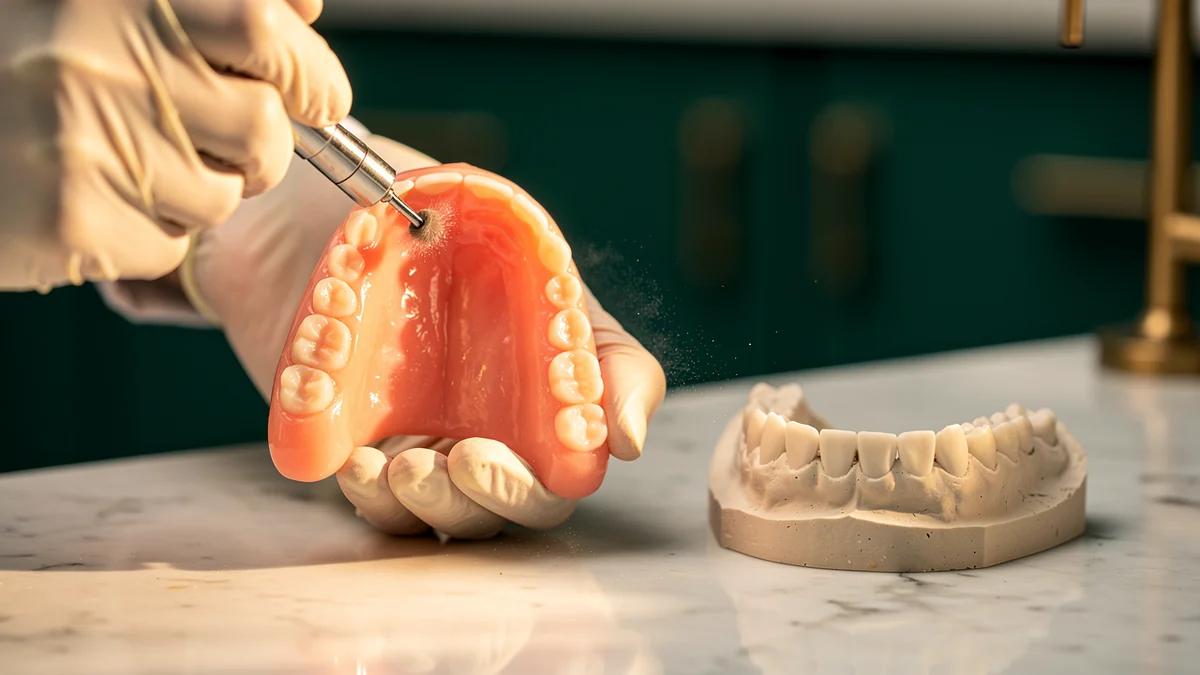
For a small area of rubbing or a minor bite imbalance, the dentist can often smooth or adjust the denture at the same visit.
Reline or rebase
A soft or hard reline adds new material to the fitting surface so it follows the current shape of the gum; a rebase replaces the whole base while keeping the existing denture teeth.
New denture
If the denture is old, worn or has been relined more than once, a new complete denture made to the current shape of the ridge is often the more lasting fix.
Implant-retained overdenture
For a lower denture that keeps loosening even after a reline, implants can hold the denture in place with a snap-on attachment — see our implant overdentures page.
Fixed implant-supported denture
Some patients move on to a denture that is fixed to implants and not removed day to day — read about implant-supported dentures and full mouth dental implants.
Denture adhesive
A short-term aid for an occasion, not a fix for a denture that no longer matches the ridge.
A dentist confirms which of these applies after examining the denture and the ridge underneath it.
Loose or Ill-Fitting Dentures: Frequently Asked Questions
Why do dentures become loose?
Dentures usually become loose because the gum and jawbone underneath them keep changing shape after teeth are removed, most often through gradual bone loss. Weight change, a worn denture base, dry mouth and a shifted bite can also play a part, and more than one cause often acts together.
Can a loose denture be fixed?
Yes, in most cases. A minor problem can often be corrected with an adjustment at the same visit, a reline or rebase can update the fitting surface to match the current shape of the gum, and an older or worn denture may simply need remaking. A dentist confirms which applies after an examination.
Should I get a reline or a new denture?
It depends on the age and condition of the denture. A reline or rebase is usually enough when the denture teeth and base are still in good condition and only the fit has changed, while an older, worn or previously relined denture is often better replaced with a new one made to the current shape of the ridge.
Why is my lower denture always loose?
A lower denture usually has less surface area to rest on than an upper denture, and no palate to help hold it in place through suction, so it relies more on the tongue and cheek muscles and can feel less stable. This is why a lower denture is often the one that ends up considered for an implant-retained overdenture when looseness keeps coming back.
Can implants stop a denture moving?
For many patients, yes. Implants placed in the jawbone give a denture, or a bridge of replacement teeth, something firm to attach to instead of resting on the gum alone, which is the same principle used for dental implants in general. Whether implants are suitable, and how many are needed, is assessed on a CBCT scan.
Is denture adhesive a long-term fix?
No. Adhesive can help a denture feel more secure for an occasion, but it does not correct a denture that no longer matches the shape of the ridge, and relying on it for months can delay a reline, rebase or new denture that would otherwise resolve the problem.
Can bone loss make dentures loose over time?
Yes. The ridge that supports a denture keeps reshaping for years after teeth are removed, which is one of the main reasons a denture that fitted well can gradually feel less secure — see our jawbone loss page for more on this process and how it is assessed.
Related Treatments
Loose or ill-fitting dentures are closely linked to how the original denture was chosen and to the implant-retained options used when looseness keeps returning.
Dentures in Istanbul, Turkey
An overview of complete, partial, immediate and implant-retained dentures.
Explore denturesComplete Dentures
A full set of replacement teeth for one or both jaws, made to the current shape of the ridge.
Explore complete denturesImplant-Supported Overdentures
A removable denture held in place by implants, for when a lower denture keeps loosening.
Explore overdenturesJawbone Loss
How the ridge changes shape after tooth loss, and why this affects how a denture fits.
Read about jawbone lossWhich Fix Usually Applies?
As a general pattern: a denture that is fairly recent and only mildly uncomfortable is often suited to an adjustment or reline; an older, worn or cracked denture is usually assessed for a replacement; and a lower denture that keeps moving even after a reline is often assessed for an implant-retained option. The ridge shape, how the bite meets and how long the current denture has been worn all affect the final decision, which is why the assessment matters more than the description of the problem alone.
Loose or ill-fitting denture: which fix is usually considered?
Read this diagram as text
- Is the denture fairly recent and only mildly uncomfortable?
- Yes: A dentist may consider an adjustment or reline
- No: Is the denture old, worn or cracked?
- Yes: A dentist may assess you for a new denture
- No: Still moving after a reline, often the lower denture?
- Yes: A dentist may assess you for implant-retained options
- No: A dentist assesses the denture individually to confirm the right fix
How We Assess Loose and Ill-Fitting Dentures at Er Dental Clinic
At Er Dental Clinic, loose and ill-fitting dentures are assessed by Ahmet Mustafa Zeren together with our prosthodontic team. The process starts with a free online consultation: send photos of the denture and describe what is happening, and you receive an initial assessment before travelling. At the clinic, an examination of the denture, the bite and the ridge underneath confirms whether an adjustment, a reline, a rebase, a new denture or an implant-retained option is realistic for you, and the proposed plan and cost are set out in writing before treatment begins.
The clinic holds an International Health Tourism Authorization Certificate issued by the Republic of Türkiye Ministry of Health (certificate no. ST-6264), which you can verify on the e-Devlet document verification service at turkiye.gov.tr/saglik-bakanligi-ebys.
References
- Dentures — NHS, 2026
- Dentures — American Dental Association (MouthHealthy), 2026
- Oral Health Foundation — Oral Health Foundation, 2026
Get Your Denture Assessed
Send us a photo of your loose or ill-fitting denture on WhatsApp, or through a free online consultation. Our dentists review it and reply with an initial assessment and the options that may apply — an adjustment, a reline, a rebase, a new denture or an implant-retained option — so you can decide with confidence before booking anything at our Istanbul clinic.
Find the Right Path for You
There are many different conditions and options in this area — browse by topic below, or answer a few questions to see the step closest to your situation.
Explore by Topic
The Basics
1 page
Dentistry · Esenyurt, İstanbul
Why Er Dental Clinic?
Related Pages
Dentures in Turkey: Complete, Partial, Immediate and Implant Options
Complete (Full) Dentures: A Full Set of Teeth for One or Both Jaws
Jawbone Loss After Missing Teeth: Causes, Signs and Implant Options
Dt. Ahmet Mustafa Zeren – Oral Surgery and Implantology, Er Dental Clinic Istanbul
Contact Er Dental Clinic
How Much Are Turkey Teeth? Treatment Prices at Er Dental Clinic, Istanbul
Your treatment plan · 3 short steps
Get your personal denture plan
Answer a few quick questions — it takes about a minute. Our dentists review your answers and reply with a written treatment plan and a clear price for your case, before you decide anything.
- Your treatmentWhat are you looking for?
- Your timingX-ray, dates and how we reply
- Your detailsSo we can send your plan
What you receive
- A written treatment plan prepared by our dentists
- A clear price for your case before you travel
- No obligation — ask every question first


Your answers are reviewed by our dentist teamErtan Omerov · Enes Yol · Ahmet Mustafa Zeren · Vijdan Aslanoğlu