
Dental Inlays and Onlays: Ceramic Repairs for Larger Cavities
Dental inlays and onlays are laboratory-made ceramic repairs for a tooth too damaged for a filling but not for a crown, at Er Dental Clinic, Istanbul, Turkey.
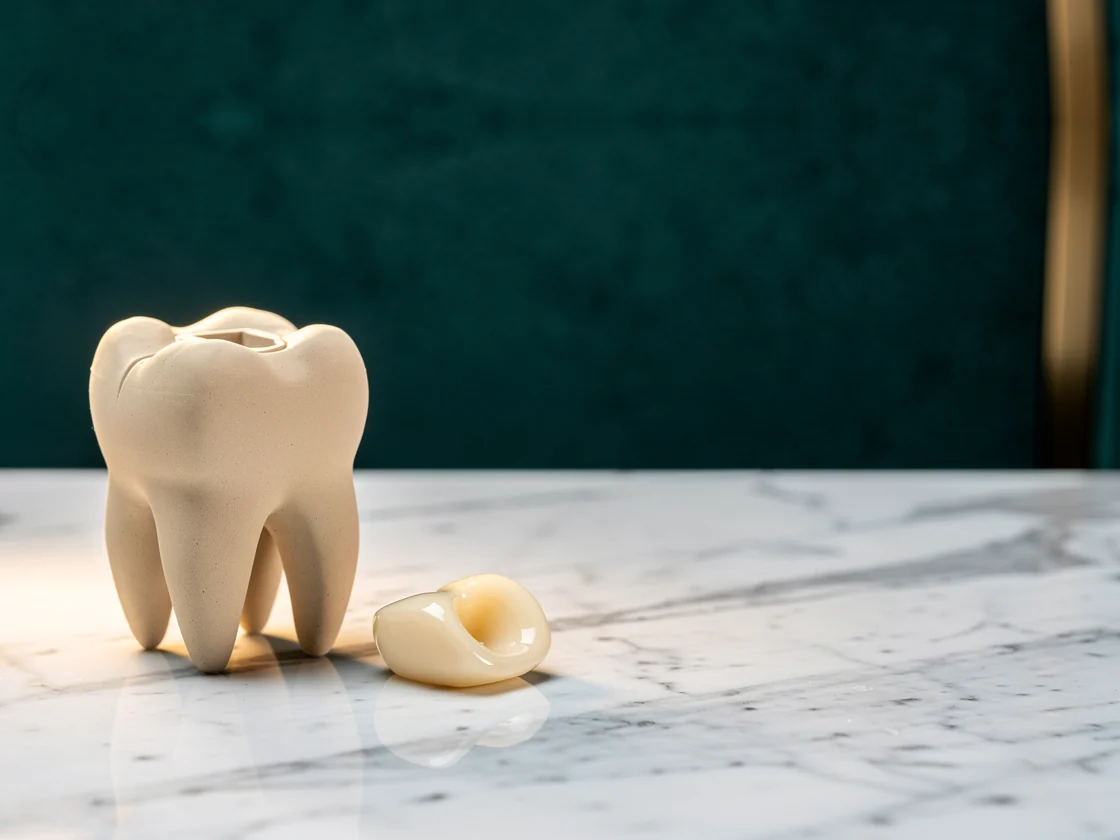
A dental inlay or onlay is a laboratory-made ceramic restoration for a cavity or old filling too large for a standard filling but not large enough for a crown. An inlay sits between a tooth's cusps; an onlay also covers one or more cusps. At Er Dental Clinic in Istanbul, Turkey, your dentist chooses between them after reviewing your X-rays.
Written by Er Dental Clinic
Treatment at a glance
Inlays & Onlays, Step by Step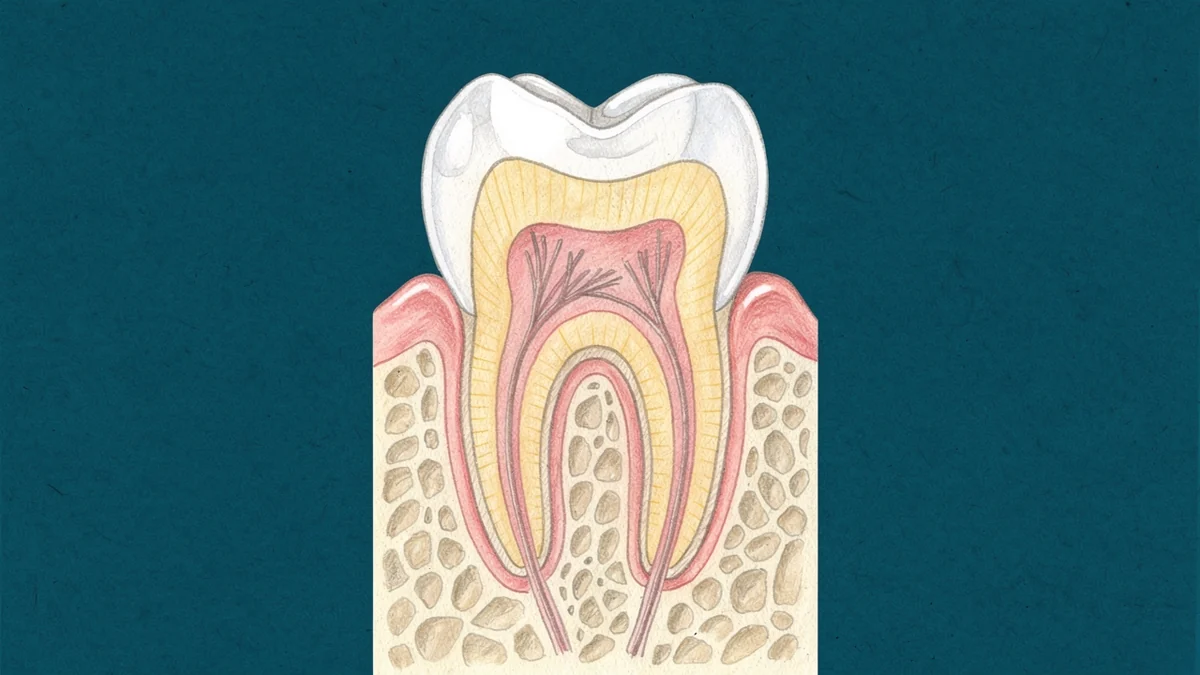
- 1Decay or failing fillingAn inlay or onlay is usually considered once tooth decay has progressed beyond a small cavity, or when an existing filling has cracked, leaked or become too large to replace safely with another filling.
- 2Tooth preparedThe damaged or failing area is removed and the tooth is shaped to receive the new restoration.
- 3Inlay between the cuspsAn inlay is shaped to sit inside the tooth, between the raised points known as cusps, in the same area a filling would normally cover.
- 4Onlay over a cuspAn onlay extends over one or more of those cusps to protect a weaker part of the tooth that a filling alone would not support well.
- 5Bonded and polishedYour dentist checks the fit, shade and bite, then bonds and polishes the restoration.
What Are Dental Inlays and Onlays?
A dental inlay or onlay is a restoration made outside the mouth, usually in a dental laboratory or from a digital scan, and then bonded onto the tooth. An inlay is shaped to sit inside the tooth, between the raised points known as cusps, in the same area a filling would normally cover. An onlay is a little larger: it extends over one or more of those cusps to protect a weaker part of the tooth that a filling alone would not support well.
Both sit between a filling and a crown on the scale of dental repairs. A filling is placed directly into the tooth in a single visit; a crown covers the whole visible tooth. An inlay or onlay is used when the damaged area is too large or too shaped for a filling to hold up well, but enough healthy tooth remains that removing it all for a crown is not necessary.
At Er Dental Clinic, inlays and onlays are usually made in ceramic, matched to the colour of your surrounding teeth. This page explains when an inlay or onlay is considered, how treatment works, and how it compares with a filling or a crown.
Inlays and Onlays at a Glance
Material: ceramic, made in a dental laboratory or milled from a digital scan and matched to your natural tooth colour.
Used for: a cavity or an old, failing filling that is too large or awkwardly shaped for a new filling, but does not need a full crown.
Inlay vs onlay: an inlay fits between the cusps of the tooth; an onlay also covers one or more cusps for extra support.
Visits: typically two visits, preparation and a digital scan, then fitting once the ceramic piece returns from the laboratory.
When Are Inlays and Onlays Considered?
An inlay or onlay is usually considered once tooth decay has progressed beyond a small cavity, or when an existing filling has cracked, leaked or become too large to replace safely with another filling. Our tooth decay page explains how a cavity develops in stages and why the repair needed at each stage is different, an inlay or onlay typically applies once decay has reached a moderate size, before it is large enough to need a full crown.
Inlays and onlays are also used to repair a tooth that has become broken or heavily worn, for example from an old filling that has fractured under normal biting. Our broken and worn teeth page covers the wider range of causes and repair options in more detail; this page focuses specifically on the inlay and onlay restoration itself once that kind of repair has been recommended.
Who Is Suitable for an Inlay or Onlay?
An inlay or onlay tends to suit patients who have lost a meaningful amount of tooth structure to decay, a cracked cusp or a failed filling, but who still have enough healthy tooth left that a full crown is not the only option. It is also considered for patients who prefer a restoration made outside the mouth, since a laboratory-made or milled ceramic piece can be shaped and polished more precisely than a filling placed and hardened in a single visit.
Your dentist confirms suitability from a clinical examination and X-rays, checking how much of the tooth remains, where the damage sits, and how your bite meets the opposite teeth, before recommending an inlay, an onlay, or an alternative restoration.
Who Is an Inlay or Onlay Not Suitable For?
Most of the tooth structure is already lost
Where decay, a crack or a previous large filling has left very little natural tooth to build on, a crown is usually recommended instead, since it covers and supports the whole visible tooth rather than part of it.
Decay has reached the nerve
If X-rays or symptoms suggest the decay or infection has reached the pulp at the centre of the tooth, root canal treatment is needed before any restoration is placed on top.
Untreated heavy grinding
In patients with pronounced, untreated bruxism, the repeated load can put an inlay or onlay at greater risk of chipping or coming loose; your dentist may suggest addressing the grinding first, for example with a night guard, alongside the restoration.
Assessment Before Inlay or Onlay Treatment
Before you travel
The process usually starts with a free online consultation. You send recent photos and, if you have them, X-rays, and our dentists give an initial view on whether an inlay, an onlay, a filling or a crown fits your case before you book anything.
At the clinic
A clinical examination and X-rays confirm the size and position of the damage and how much healthy tooth structure remains. Your dentist checks your bite against the opposite teeth, since this affects how much of the biting surface the restoration needs to cover.
If an inlay or onlay is not the right fit
Where the examination shows too little tooth remains, or the decay has reached the pulp, your dentist explains why a crown, or root canal treatment first, is recommended instead, with a written plan and quote provided before treatment begins.
How Are Inlays and Onlays Made?
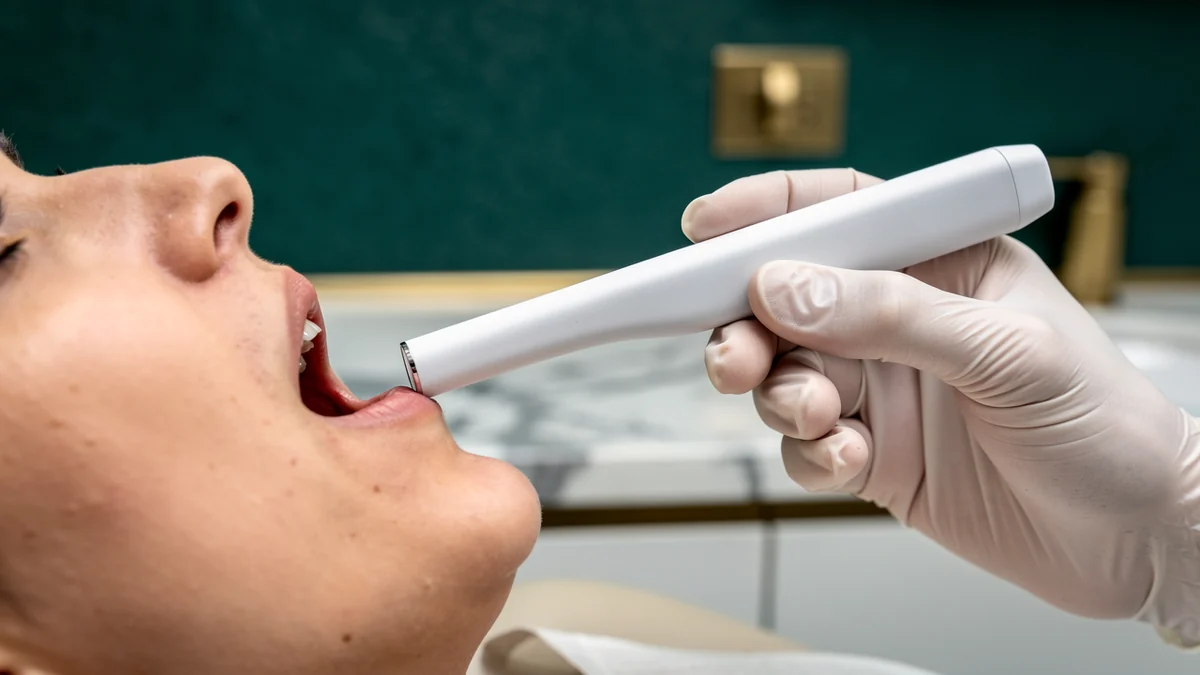
Treatment starts with local anaesthesia and removal of the old decay or failing filling, leaving a clean, well-defined shape for the new restoration to sit in. Once the tooth is prepared, a digital scan (using a system such as 3Shape) or a traditional impression records its exact shape, which is sent to the laboratory to design and produce the ceramic inlay or onlay.
A temporary filling protects the tooth while the finished piece is made. When it returns, your dentist checks the fit, shade and bite carefully before bonding it onto the tooth with a strong dental adhesive and polishing the surface so it blends with the surrounding tooth structure.
Inlay and Onlay Treatment, Step by Step
Read this diagram as text
- Remove decay or old filling: The damaged or failing area is removed and the tooth is shaped to receive the new restoration.
- Digital scan: A digital scan or impression records the exact shape of the prepared tooth.
- Temporary restoration: A temporary filling protects the tooth while the ceramic piece is made.
- Ceramic piece made: The inlay or onlay is designed and produced in the laboratory to match your tooth colour.
- Bonded and polished: Your dentist checks the fit, shade and bite, then bonds and polishes the restoration.
Aftercare for Inlays and Onlays
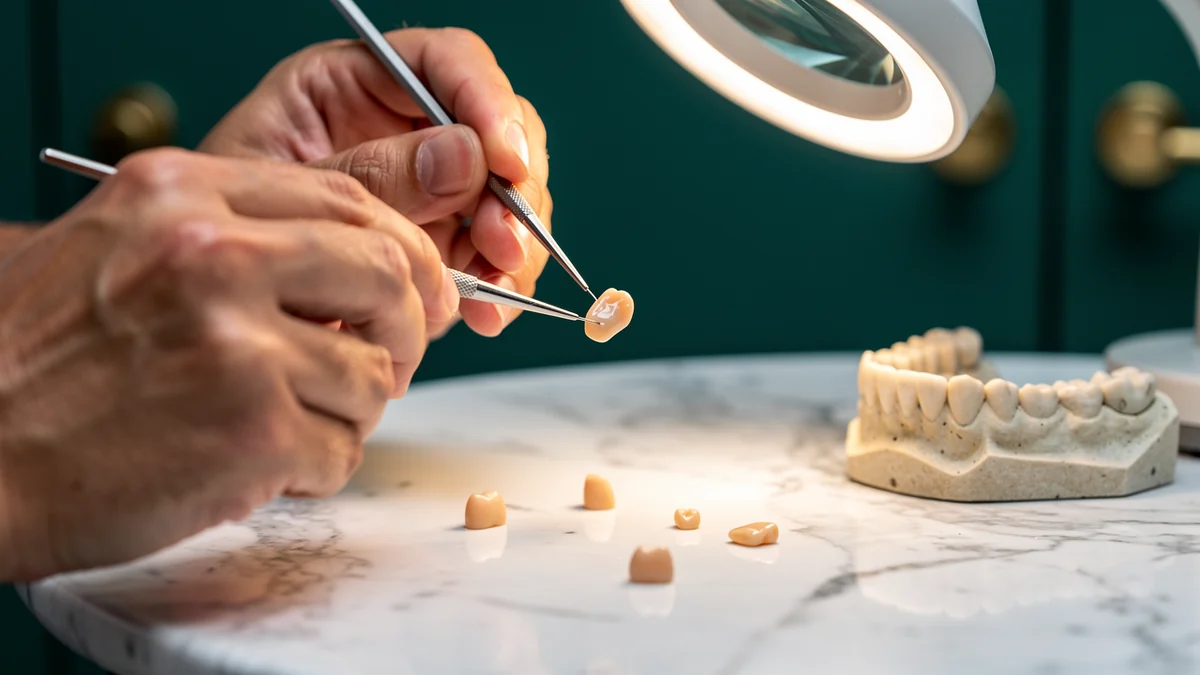
Some mild sensitivity to hot, cold or pressure is common for a few days after an inlay or onlay is bonded, particularly if the tooth was previously very sensitive, and it usually settles on its own. Over-the-counter painkillers can help if needed, and your dentist tells you what to expect for your specific tooth.
Brushing twice a day with a fluoride toothpaste and cleaning between your teeth keeps the restoration and the surrounding gum healthy. As with any bonded ceramic restoration, it is worth avoiding biting directly into very hard foods, such as ice, and attending regular check-ups so your dentist can review the fit and margins over time.
What to Expect from an Inlay or Onlay
A well-fitted inlay or onlay restores the shape and biting surface of a damaged tooth while keeping more of the natural tooth structure than a crown would require. Because the ceramic is matched to your tooth colour and made outside the mouth, the fit and surface finish are often more precise than a large filling placed and shaped in a single visit.
How the tooth performs afterwards depends on the size of the original damage, your bite, grinding habits and how well the restoration and surrounding tooth are looked after. Your dentist explains what is realistic for your specific tooth based on your examination and X-rays before treatment begins.
Limitations of Inlays and Onlays
Two visits are usually needed. Because the ceramic piece is made in a laboratory or milled from a scan, a temporary filling covers the tooth between your preparation visit and the fitting visit, unlike a filling that is finished in one appointment.
Not suitable for very large damage. If too little of the tooth remains, an inlay or onlay does not provide enough support and a crown is recommended instead.
The restoration itself can eventually need replacing. Like any dental restoration, an inlay or onlay can wear, chip or come loose over the years, and cleaning around its edges matters for the health of the tooth underneath.
Risks and Possible Complications
Sensitivity
Some sensitivity to temperature or pressure is common in the days after bonding and usually settles; ongoing sensitivity is checked at a follow-up visit.
Chipping or fracture
A ceramic inlay or onlay can chip or crack under an unusually heavy bite, grinding, or trauma.
Debonding
The restoration can come loose if the adhesive fails over time or if the tooth structure underneath changes; a loose inlay or onlay should be checked promptly.
Decay at the margin
If the edge of the restoration is not kept clean, new decay can develop underneath it, which is one reason regular check-ups matter.
Bite discomfort
Rarely, the restoration may feel slightly high after fitting; this is adjusted quickly at a follow-up visit if it happens.
Your dentist explains the risks that apply to your specific tooth, based on your examination and X-rays, before you give your consent.
How We Assess Inlays and Onlays at Er Dental Clinic
Inlay and onlay treatment at Er Dental Clinic is assessed and planned by Dt. Vijdan Aslanoğlu, alongside our other dentists. Whether a tooth needs a filling, an inlay, an onlay or a crown is confirmed individually from a clinical examination, X-rays and your bite, and your written treatment plan states which restoration is proposed for each tooth and why.
The clinic holds an International Health Tourism Authorisation Certificate issued by the Republic of Turkiye Ministry of Health (certificate no. ST-6264), which you can check on the e-Devlet document verification service at turkiye.gov.tr/saglik-bakanligi-ebys.
Alternatives to Inlays and Onlays
If your dentist finds that a smaller repair is enough, a standard tooth filling may cover the damage in a single visit; our tooth fillings page explains composite fillings and how old amalgam fillings are assessed.
If more of the tooth needs support than an onlay can provide, a dental crown covers the whole visible tooth; our dental crowns page explains the different crown materials we offer.
Where decay has reached the nerve of the tooth, root canal treatment is needed before any restoration is placed on top, and an onlay or crown is often recommended afterwards to protect the tooth from fracture.
If the cause of the damage is grinding or clenching rather than decay alone, addressing that with a night guard alongside your restoration can help protect it from further wear.
Inlays and Onlays: Frequently Asked Questions
What is the difference between an inlay and an onlay?
An inlay is made outside the mouth and sits between the raised points (cusps) of a tooth, covering roughly the same area a filling would. An onlay is similar but extends over one or more of those cusps, giving extra support to a weaker part of the tooth. Which one fits your tooth depends on how much healthy structure remains.
Inlay or filling, which does my tooth need?
A filling is placed directly into the tooth in a single visit and suits smaller cavities. An inlay is considered when the damaged area is larger or awkwardly shaped, since a laboratory-made or milled ceramic piece can support the tooth better than a filling in that situation. Your dentist decides after examining the tooth and reviewing your X-rays.
Should I have an onlay or a crown?
An onlay is used when enough healthy tooth structure remains that covering only the affected cusps is enough, while a crown covers the whole visible tooth and is used when more support is needed. Our inlay vs onlay vs crown page explains this comparison in more detail, and your dentist confirms which applies to your tooth from an examination and X-rays.
How much is a ceramic inlay or onlay in Turkey?
At Er Dental Clinic, a Ceramic Inlay Restoration and a Ceramic Onlay Restoration are each £345 / €400 / $460 per tooth. Composite inlays are quoted individually, since Soho does not list a fixed price for that material. Your final cost is confirmed after our dentists review your X-rays.
How many visits does an inlay or onlay need?
Treatment is usually completed over two visits: one to remove the decay or old filling and take a digital scan, and a second to fit the finished ceramic piece once it returns from the laboratory. A temporary filling protects the tooth in between.
How long do inlays and onlays last?
Many inlays and onlays last for years with good care, though lifespan depends on the size of the original repair, your bite, grinding habits and daily hygiene. Regular check-ups let your dentist monitor the restoration and address any wear, chipping or marginal decay early.
Can I have an onlay after a root canal?
Yes. Once a back tooth has had root canal treatment, an onlay is often recommended to protect it from fracture, since the tooth can be more brittle afterwards. Whether an onlay or a crown is better suited depends on how much tooth structure remains, which your dentist checks during your assessment.
Related General Dentistry Treatments
Inlays and onlays are one part of general dentistry at Er Dental Clinic. The pages below cover related treatments and prevention.
General Dentistry in Turkey
An overview of check-ups, fillings, root canals and every other general dental treatment we offer.
Explore general dentistryTooth Fillings
White composite fillings and how old amalgam fillings are assessed and replaced.
Explore tooth fillingsRoot Canal Treatment
When decay reaches the nerve of the tooth and a root canal is needed before any restoration.
Explore root canal treatmentTooth Extraction
Simple and surgical extraction when a tooth cannot be saved with a restoration.
Explore tooth extractionDental Cleaning
Scale and polish, and deep cleaning, to keep teeth and gums healthy around any restoration.
Explore dental cleaningDental Sealants
A protective coating for the grooves of back teeth, used to help prevent new decay.
Explore dental sealantsFluoride Treatment
Professional fluoride to help protect teeth and support very early, non-cavitated decay.
Explore fluoride treatmentBruxism Treatment
Night guards and other options if grinding is putting your restorations at risk.
Explore bruxism treatmentInlay vs Onlay vs Crown
A closer look at how dentists decide between an onlay and a full crown.
Compare restoration optionsOur Dentists in Istanbul
Meet the dentists who assess and plan general dental treatment at Er Dental Clinic.
Meet our dentistsFilling, Inlay, Onlay or Crown?
These four repairs sit on a scale from smallest to most extensive. A filling is placed directly into the tooth and does not cover any cusps. An inlay is made outside the mouth and sits between the cusps, in roughly the same area a filling would cover. An onlay is also made outside the mouth but extends over one or more cusps for extra support. A crown covers the entire visible tooth once it has been prepared.
Which one fits your tooth depends on how much natural structure is left and where the damage sits, which your dentist confirms from your examination and X-rays. If a crown turns out to be the better option for your tooth, our inlay vs onlay vs crown page explains that comparison in more detail.
Filling vs Inlay vs Onlay vs Crown
Read this diagram as text
| Criterion | Filling | Inlay | Onlay | Crown |
|---|---|---|---|---|
| Made in a laboratory or milled | ✗ No | ✓ Yes | ✓ Yes | ✓ Yes |
| Covers one or more cusps | ✗ No | ✗ No | ✓ Yes | ✓ Yes |
| Covers the whole tooth | ✗ No | ✗ No | ✗ No | ✓ Yes |
References
- Crowns — Oral Health Foundation, 2026
- Crowns — American Dental Association (MouthHealthy), 2026
- White Fillings — Oral Health Foundation, 2026
Ask About Inlays and Onlays in Istanbul
Send us your photos or X-rays for a free online consultation. Our dentists will give an initial view on whether a filling, an inlay, an onlay or a crown fits your tooth, and reply with a written treatment plan and a clear quote, so you can compare your options before you decide to travel. You can also contact us directly with any questions.
Find the Right Path for You
There are many different conditions and options in this area — browse by topic below, or answer a few questions to see the step closest to your situation.
Explore by Topic
The Basics
2 pagesDiagnosis & Methods
2 pages
Dentistry · Esenyurt, İstanbul
Why Er Dental Clinic?
Related Pages
Professional Teeth Cleaning in Turkey: Scaling, Polishing and Deep Cleaning
Tooth Fillings in Turkey: White Composite Fillings and Amalgam Replacement
Tooth Extraction in Turkey: Simple, Surgical and Wisdom Tooth Removal
Dental (Fissure) Sealants: Protecting the Grooves of Back Teeth
Bruxism Treatment in Turkey: Night Guards and Other Options for Teeth Grinding
Professional Fluoride Treatment: How Fluoride Varnish Helps Protect Teeth
Er Dental Clinic: Meet the Dentists Who Plan and Carry Out Your Treatment
Free Online Dental Consultation: Send Your Photos and X-Rays for a Written Plan
Dt. Vijdan Aslanoğlu – Dentist at Er Dental Clinic, Istanbul
Contact Er Dental Clinic
How Much Are Turkey Teeth? Treatment Prices at Er Dental Clinic, Istanbul
Your treatment plan · 3 short steps
Get your personal treatment plan
Answer a few quick questions — it takes about a minute. Our dentists review your answers and reply with a written treatment plan and a clear price for your case, before you decide anything.
- Your treatmentWhat are you looking for?
- Your timingX-ray, dates and how we reply
- Your detailsSo we can send your plan
What you receive
- A written treatment plan prepared by our dentists
- A clear price for your case before you travel
- No obligation — ask every question first



Your answers are reviewed by our dentist teamErtan Omerov · Enes Yol · Ahmet Mustafa Zeren · Vijdan Aslanoğlu