
Bruxism Treatment in Turkey: Night Guards and Other Options for Teeth Grinding
Bruxism treatment in Istanbul protects your teeth from grinding damage with a custom night guard fitted after assessment at Er Dental Clinic. Ask on WhatsApp.
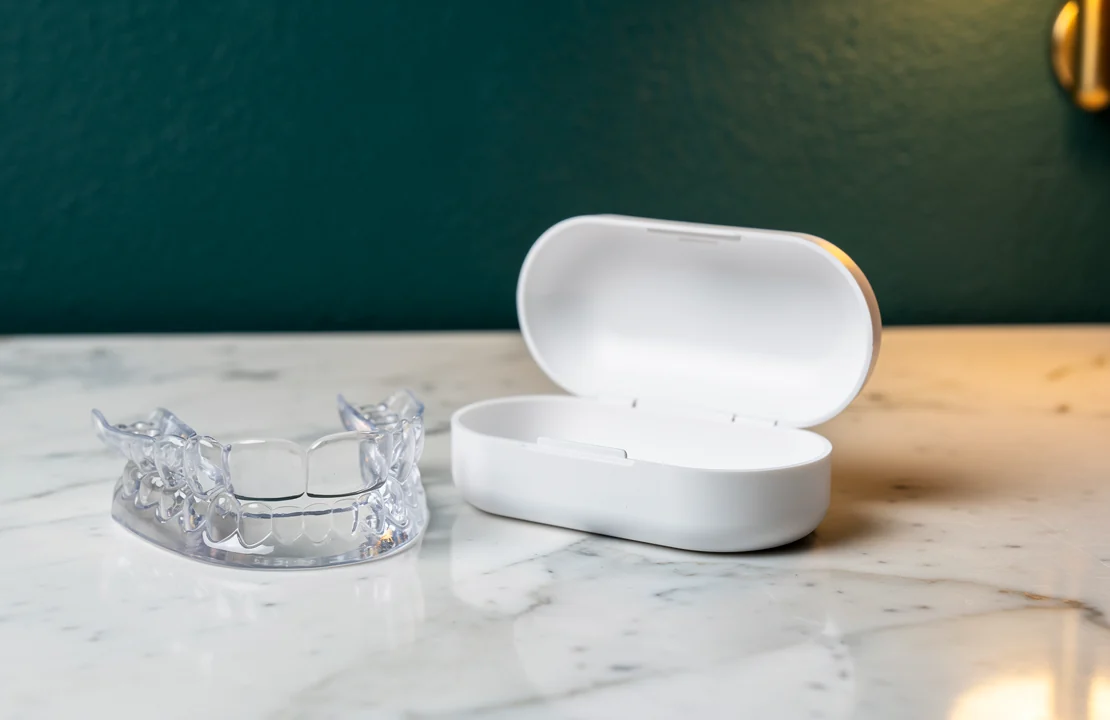
Bruxism treatment in Turkey manages teeth grinding and jaw clenching so that further damage to your teeth and jaw muscles is reduced, most often with a custom-made night guard (occlusal splint) that protects your teeth while you sleep. At Er Dental Clinic in Istanbul, treatment is planned after a clinical examination confirms the pattern and cause of your grinding.
Written by Er Dental Clinic
Treatment at a glance
Bruxism Treatment, Step by Step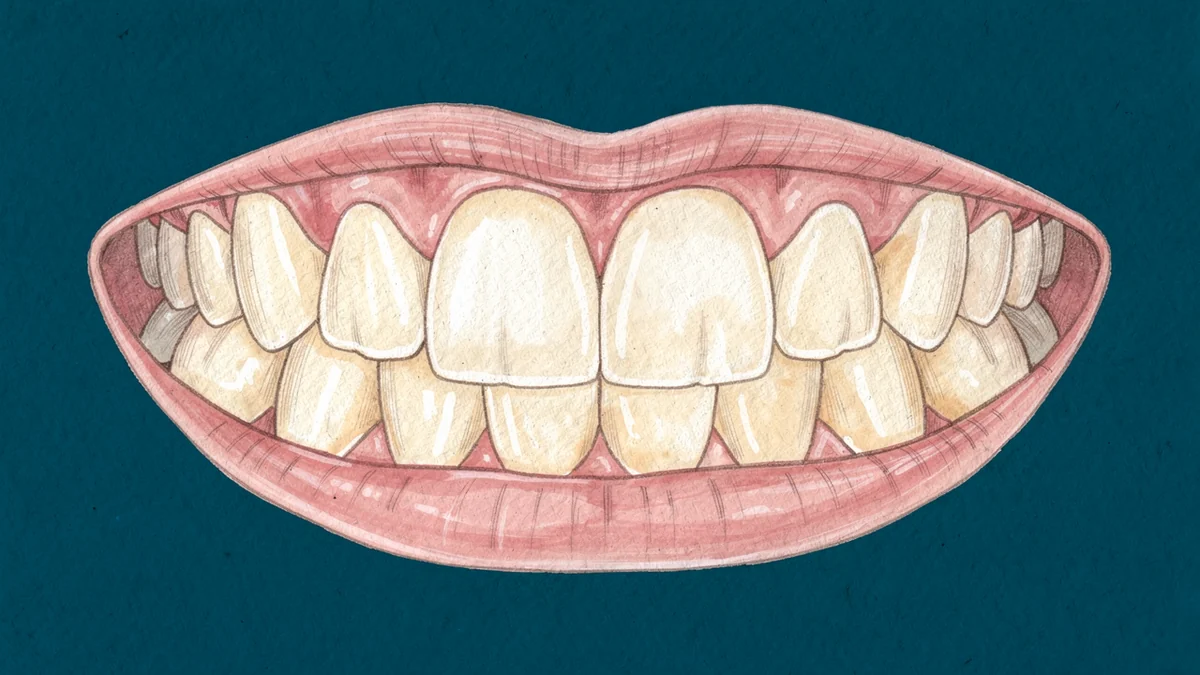
- 1Signs of tooth wearFlattened or chipped edges, cracked teeth or fillings, and increased sensitivity are common reasons to start with a night guard.
- 2Grinding and clenchingTeeth grinding or jaw clenching can cause wear, cracks or other damage to your teeth and tire the jaw muscles.
- 3Digital scan or impressionA digital scan or a physical impression of your teeth is taken to plan the fit of the guard.
- 4Guard made to fitThe night guard is made in a dental laboratory from the scan or impression, sized to your bite.
- 5A protective barrierThe guard creates a protective barrier between your upper and lower teeth so the forces of grinding do not wear, chip or crack them.
What Is Bruxism Treatment?
Bruxism treatment does not usually stop teeth grinding or jaw clenching altogether; instead, it protects your teeth and jaw muscles from the effects of that grinding and reduces the strain it places on them. The most common option is a custom-made night guard, also called an occlusal splint, worn while you sleep to cushion your teeth from the forces of grinding.
Grinding can happen during sleep, known as sleep bruxism, or while you are awake, known as awake bruxism, and the treatment your dentist recommends depends on which pattern applies to you and how much wear or damage has already occurred. For more on the causes and signs of grinding itself, see our teeth grinding (bruxism) page.
This page explains who a night guard suits, the other options your dentist may discuss, and what to expect if you have bruxism treatment alongside another treatment during your visit to Istanbul.
Bruxism Treatment at a Glance
Aim: protect your teeth and jaw muscles from the effects of grinding and clenching, rather than curing the habit itself.
Main option: a custom-made night guard (occlusal splint), made to fit your own teeth and bite.
Other options: repair of already worn or broken teeth, botulinum toxin injections into the jaw muscle in selected cases, and advice on stress and sleep.
Anaesthesia: fitting a night guard does not need any anaesthetic; it is a comfortable, non-invasive process.
When Is Bruxism Treatment Needed?
Bruxism treatment is considered whenever teeth grinding or jaw clenching is causing, or is likely to cause, wear, cracks or other damage to your teeth, or when it is linked to morning jaw pain, headaches or tired jaw muscles. Grinding itself is covered in full on our teeth grinding (bruxism) page, including its causes and the signs your dentist looks for; this page focuses on what can be done once grinding has been identified. Where grinding has already worn down, chipped or cracked your teeth, the repair options are explained on our broken or worn teeth page, and these are usually planned together with a night guard so the repaired teeth are protected going forward.
Who Is Bruxism Treatment Suitable For?
Anyone with signs of tooth wear from grinding. Flattened or chipped edges, cracked teeth or fillings, and increased sensitivity are common reasons to start with a night guard.
People with morning jaw pain or headaches. A night guard can reduce the load on the jaw muscles overnight where grinding is linked to waking discomfort.
Patients already having crowns, veneers or implants. Protecting new restorations from grinding forces is often planned alongside other treatment during your visit to Istanbul.
Patients considering an injectable option. Botulinum toxin injections into the jaw muscle may be discussed after assessment where grinding is linked to strong jaw muscle activity, alongside or instead of a night guard.
Who Is Bruxism Treatment Not Suitable For?
Suspected sleep apnoea
If your grinding is linked to loud snoring, pauses in breathing or daytime sleepiness, a medical sleep assessment is arranged before or alongside dental treatment.
Loose teeth or active gum disease
These are assessed and, where needed, treated before a night guard is fitted, since it needs healthy teeth and gums to fit securely.
Pregnancy or certain neuromuscular conditions
Botulinum toxin injections are not used in pregnancy or in some neuromuscular conditions; your medical history is reviewed before this option is discussed.
Tooth or jaw pain with an unclear cause
Pain that does not fit a typical grinding pattern is investigated further before any bruxism treatment is planned.
Assessment Before Bruxism Treatment
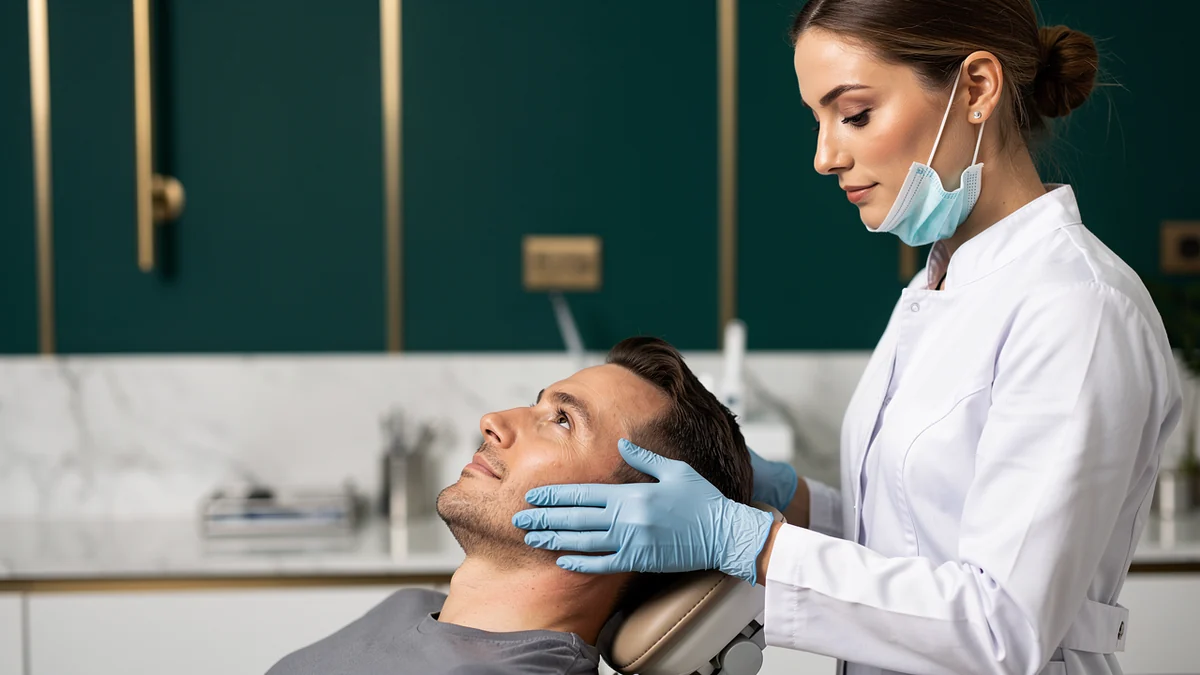
Assessment for bruxism treatment starts with a review of the wear pattern on your teeth, together with the general condition of your jaw muscles and jaw joint, and any crowns, veneers or implants already in place that may need protecting. Your dentist also asks about your sleep, stress levels, caffeine and alcohol intake, and any medicines you take, since several of these can contribute to grinding. Where grinding is severe or the cause is unclear, X-rays or photographs of the wear pattern may be used to plan treatment and to track any change over time.
How Is a Custom Night Guard Made?
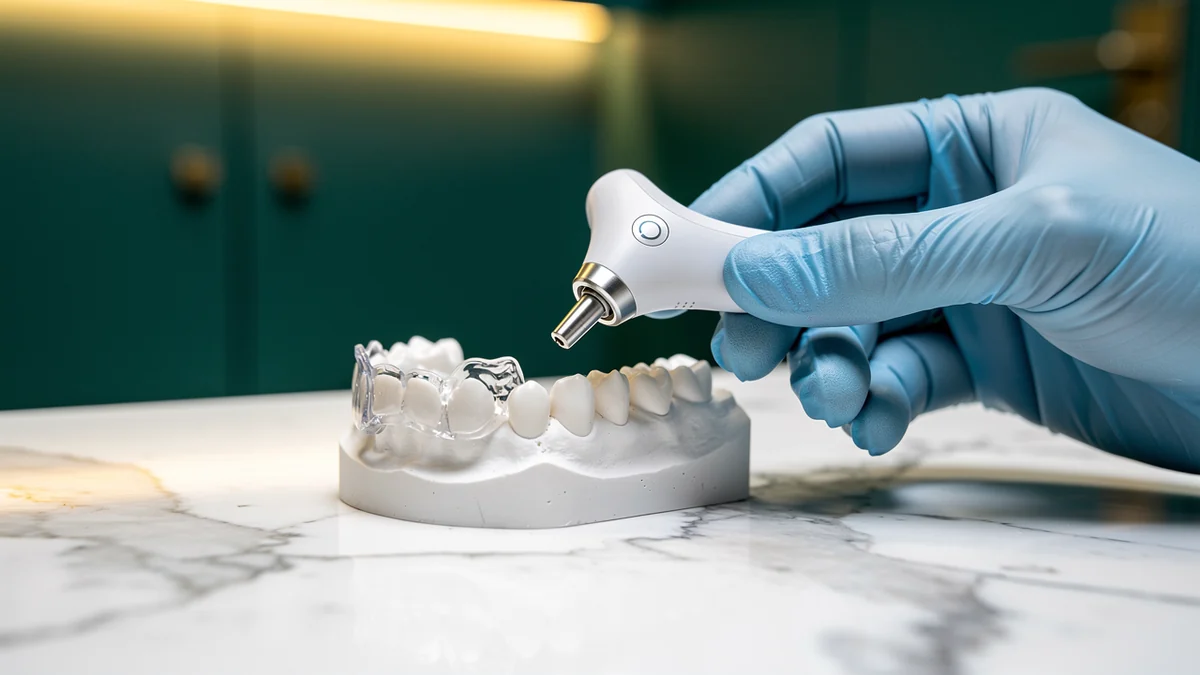
A custom night guard is made from an exact record of your own teeth, so it fits closely and does not need adjusting by hand at home in the way a shop-bought mouthguard often does. The stages below show how a custom night guard is usually made and fitted.
How Is a Custom Night Guard Made?
Read this diagram as text
- Wear and jaw check: Your dentist examines the wear pattern on your teeth and checks your jaw muscles and joint.
- Digital scan or impression: A digital scan or a physical impression of your teeth is taken to plan the fit of the guard.
- Guard made to fit: The night guard is made in a dental laboratory from the scan or impression, sized to your bite.
- Fit and bite adjustment: The finished guard is tried in and adjusted so it sits comfortably and does not change your bite.
- Review: Your dentist checks how the guard is wearing at your follow-up visits and adjusts it if needed.
Looking After Your Night Guard
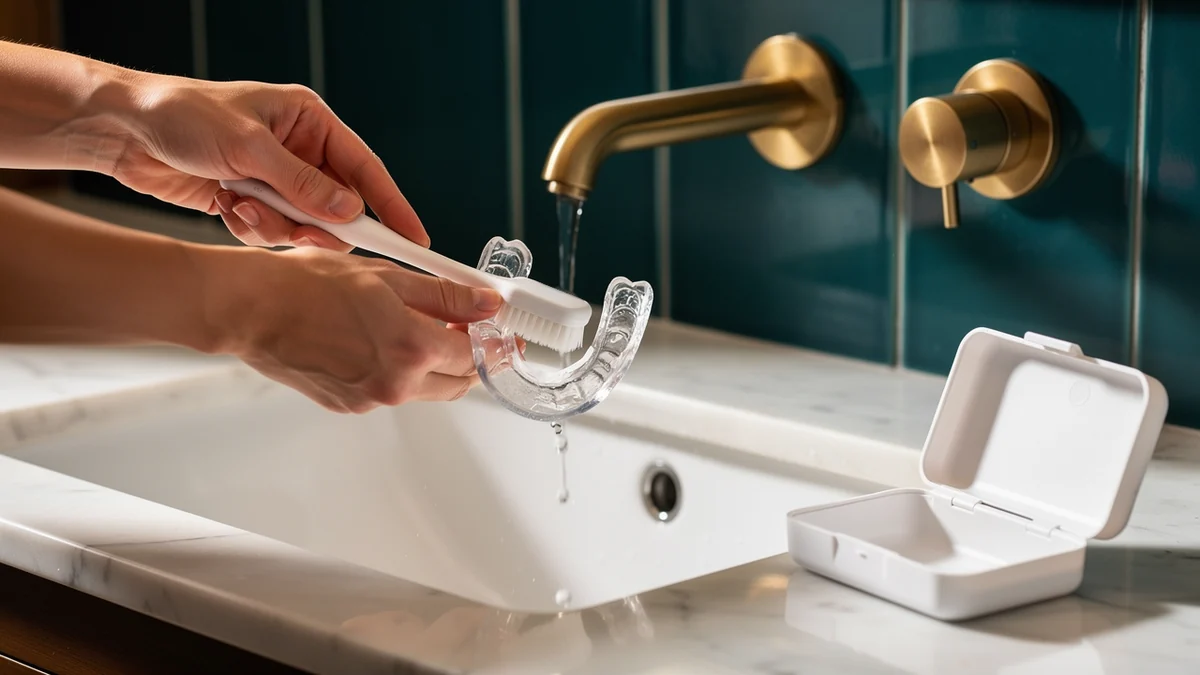
Cleaning the guard daily
Rinse the guard in cool water and brush it gently with a toothbrush, keeping it away from hot water, which can distort the fit.
Storage between uses
Keep the guard in its case when it is not being worn, away from pets and direct heat, and let it dry before you put it away.
Bringing it to check-ups
Bring your night guard to your regular dental check-ups so your dentist can check the fit, the wear pattern on the guard itself, and your bite.
Replacing a worn or cracked guard
A guard that is cracked, has thinned unevenly or no longer fits well should be replaced, since a poorly fitting guard can be less effective and may even affect your bite.
What to Expect from Bruxism Treatment
With a well-fitted night guard worn consistently, the jaw muscles are often less tight in the morning, and further wear, chipping or cracking of the teeth tends to slow or stop. A night guard protects the teeth that are already there rather than reversing wear that has already happened, so teeth that are already flattened, chipped or cracked are usually repaired separately, as covered on our broken or worn teeth page. Where botulinum toxin injections are used, patients typically notice reduced muscle tension and less forceful clenching for a period before the effect gradually wears off.
Limitations of Bruxism Treatment
A night guard protects your teeth and eases the load on your jaw muscles, but it does not remove the underlying cause of grinding, such as stress or a sleep problem, so grinding itself may continue even while your teeth are protected. Botulinum toxin injections are temporary and need to be repeated to keep the effect going, and they are not the right choice for every patient. Bruxism treatment also cannot undo damage that has already happened; teeth that are already worn, chipped or cracked are addressed with separate restorative treatment.
Risks and Possible Complications of Bruxism Treatment
Guard discomfort at first
A new night guard can feel bulky or unfamiliar for the first few nights; this usually settles as you get used to wearing it.
Bite changes with a poorly fitting guard
A guard that does not fit well, particularly a soft, shop-bought type, can gradually shift your bite; a custom-made guard reduces this risk.
Cracking or wear of the guard itself
The guard can wear thin or crack over time, especially with heavy grinding, and is checked and replaced when needed.
Botulinum toxin side effects
Temporary weakness when chewing, a change in facial appearance, or asymmetry can occur after injections; your dentist explains which risks apply to you before you decide.
Your dentist explains the risks that apply to your own case, based on your wear pattern and general health, before you give your consent.
How We Assess Bruxism Treatment at Er Dental Clinic
Bruxism treatment at Er Dental Clinic is assessed and planned by Dt. Vijdan Aslanoğlu, alongside our other general dentists. Your wear pattern, jaw muscles and any existing restorations are reviewed before a night guard, botulinum toxin injections or a combination of options is proposed, and your written treatment plan sets out which option is recommended and why. The clinic holds an International Health Tourism Authorisation Certificate issued by the Republic of Turkiye Ministry of Health (certificate no. ST-6264), which you can check on the e-Devlet document verification service at turkiye.gov.tr/saglik-bakanligi-ebys.
Alternatives to Bruxism Treatment
If bruxism treatment on its own is not the right fit, several other pages on our site cover related decisions. Where grinding has already damaged your teeth, our broken or worn teeth page explains the full range of repair options, from bonding to crowns. If you are not yet sure whether your symptoms are caused by grinding, our teeth grinding (bruxism) page covers the causes and signs in more detail, and a free online consultation lets our dentists give an initial view before you book anything.
Bruxism Treatment: Frequently Asked Questions
How is teeth grinding treated?
Teeth grinding is usually managed with a custom-made night guard worn at night to protect your teeth, alongside habit and sleep advice where stress, caffeine or alcohol play a role. For some patients, botulinum toxin injections into the jaw muscle may also be discussed after assessment. Treatment aims to reduce the effects of grinding rather than remove the habit completely.
Does a night guard stop grinding?
A night guard does not usually stop the grinding itself; instead, it creates a protective barrier between your upper and lower teeth so the forces of grinding do not wear, chip or crack them. Some people also find their jaw feels less tight in the morning once they get used to wearing it.
Night guard or botulinum toxin injections?
A custom night guard is made to fit your own teeth and protects them directly, while botulinum toxin injections relax the jaw muscle itself and are temporary, needing to be repeated. Your dentist discusses which option, or combination, suits your wear pattern and general health after your assessment.
Custom night guard or a shop-bought mouthguard?
A custom night guard is made from a scan or impression of your own teeth, so it fits closely and is adjusted to your bite by your dentist. A shop-bought mouthguard is a generic shape that some people find bulky or poorly fitting, which can be less comfortable and less effective for grinding.
How long does a night guard last?
How long a night guard lasts depends on how heavily you grind, how well you look after it and how often you wear it. Your dentist checks its condition at your regular check-ups and lets you know when it should be replaced.
How much is bruxism treatment in Turkey?
At Er Dental Clinic, botulinum toxin (masseter) injections are priced at £300 / €350 / $400. A custom night guard is quoted after your dentist has assessed your wear pattern and bite, since the design depends on your individual case.
Can grinding damage my crowns, veneers or implants?
Yes, grinding places extra force on crowns, veneers and implants just as it does on natural teeth, and can chip a crown or veneer or add extra load to an implant restoration over time. If you already have or are planning these restorations, your dentist may recommend a night guard to protect them going forward.
Other General Dental Treatments
Bruxism treatment is one of several general dental treatments offered at Er Dental Clinic, alongside care for the causes and effects of grinding. The pages below cover related treatments and further reading.
General Dentistry
An overview of the check-ups, fillings, root canals and other treatments we offer.
Explore general dentistryTeeth Grinding (Bruxism)
The causes and signs of teeth grinding, and when to seek treatment.
Read about teeth grindingBroken or Worn Teeth
Causes of broken and worn teeth and the full range of repair options.
Read about broken or worn teethDental Cleaning
Professional scale and polish, and deep cleaning for gum health.
Explore dental cleaningTooth Fillings
Tooth-coloured composite fillings and amalgam replacement.
Explore tooth fillingsRoot Canal Treatment
When root canal treatment is needed and what the steps involve.
Explore root canal treatmentTooth Extraction
Simple and surgical tooth extraction, including wisdom teeth.
Explore tooth extractionInlay & Onlay Restorations
Ceramic repairs for cavities too large for a filling.
Explore inlays and onlaysDental Sealants
Protective coating for the grooves of back teeth.
Explore dental sealantsFluoride Treatment
Professional fluoride varnish to help protect your teeth.
Explore fluoride treatmentOur Dentists in Istanbul
Meet the dentists who assess and plan bruxism treatment at Er Dental Clinic.
Meet our dentistsOther Options for Bruxism
Alongside or instead of a night guard, your dentist may discuss other ways of managing bruxism depending on your wear pattern, your teeth and your general health.
Botulinum toxin injections. Injecting botulinum toxin into the masseter, the main jaw muscle used for chewing, can reduce the force of clenching and grinding for some patients. The effect is temporary and wears off over time, so the injections are usually repeated if you want to continue with this option; it is not suitable for everyone, and possible side effects such as temporary weakness when chewing or a change in facial appearance are explained before you decide, alongside the other options on this page.
Repairing worn or broken teeth. Where grinding has already flattened, chipped or cracked teeth, restorations such as crowns or onlays repair the damage and restore normal biting surfaces; the causes and full range of repair options are covered on our broken or worn teeth page.
Habit and sleep advice. Reducing caffeine and alcohol, general stress management and improving sleep habits are commonly suggested alongside a night guard, particularly where awake clenching or sleep problems are contributing to your grinding.
Night Guard or Botulinum Toxin Injections?
A custom night guard and botulinum toxin injections work in different ways, and the two are sometimes used together rather than as a straight either/or choice. The comparison below sets out three straightforward differences to discuss with your dentist.
Night Guard or Botulinum Toxin Injections?
Read this diagram as text
| Criterion | Night guard | Botulinum toxin injections |
|---|---|---|
| Protects tooth surfaces at night | ✓ Yes | ✗ No |
| Relaxes the jaw muscle | ✗ No | ✓ Yes |
| Effect wears off over time | ✗ No | ✓ Yes |
| Made to fit your teeth | ✓ Yes | ✗ No |
References
- Teeth grinding (bruxism) — NHS, 2026
- Mouthguards — American Dental Association (MouthHealthy), 2026
Ask About Bruxism Treatment in Istanbul
Send us photos of your teeth for a free online consultation, and our dentists will give an initial view on whether a night guard, botulinum toxin injections or a combination would suit your case, together with a written treatment plan and a clear quote. You can also contact us directly with any questions before you decide to travel.
Find the Right Path for You
There are many different conditions and options in this area — browse by topic below, or answer a few questions to see the step closest to your situation.
Explore by Topic
The Basics
2 pagesDiagnosis & Methods
2 pages
Dentistry · Esenyurt, İstanbul
Why Er Dental Clinic?
Related Pages
General Dentistry in Turkey: Check-Ups, Fillings, Root Canals and More
Professional Teeth Cleaning in Turkey: Scaling, Polishing and Deep Cleaning
Tooth Fillings in Turkey: White Composite Fillings and Amalgam Replacement
Root Canal Treatment in Turkey: When It Is Needed, Steps and Aftercare
Tooth Extraction in Turkey: Simple, Surgical and Wisdom Tooth Removal
Dental (Fissure) Sealants: Protecting the Grooves of Back Teeth
Professional Fluoride Treatment: How Fluoride Varnish Helps Protect Teeth
Er Dental Clinic: Meet the Dentists Who Plan and Carry Out Your Treatment
Dt. Vijdan Aslanoğlu – Dentist at Er Dental Clinic, Istanbul
Contact Er Dental Clinic
How Much Are Turkey Teeth? Treatment Prices at Er Dental Clinic, Istanbul
Your treatment plan · 3 short steps
Get your personal treatment plan
Answer a few quick questions — it takes about a minute. Our dentists review your answers and reply with a written treatment plan and a clear price for your case, before you decide anything.
- Your treatmentWhat are you looking for?
- Your timingX-ray, dates and how we reply
- Your detailsSo we can send your plan
What you receive
- A written treatment plan prepared by our dentists
- A clear price for your case before you travel
- No obligation — ask every question first



Your answers are reviewed by our dentist teamErtan Omerov · Enes Yol · Ahmet Mustafa Zeren · Vijdan Aslanoğlu