
Tooth Extraction in Turkey: Simple, Surgical and Wisdom Tooth Removal
Simple and surgical tooth extraction, including wisdom tooth removal, assessed and carried out at Er Dental Clinic in Istanbul, Turkey. Ask on WhatsApp for a plan.

Tooth extraction is the removal of a tooth that cannot be saved, carried out under local anaesthesia as a simple extraction, for a tooth fully visible in the mouth, or a surgical extraction, for one that is broken, impacted or has curved roots. At Er Dental Clinic, extraction is only planned once X-rays confirm repair is not realistic.
Written by Er Dental Clinic
At a glance
From Extraction to Healing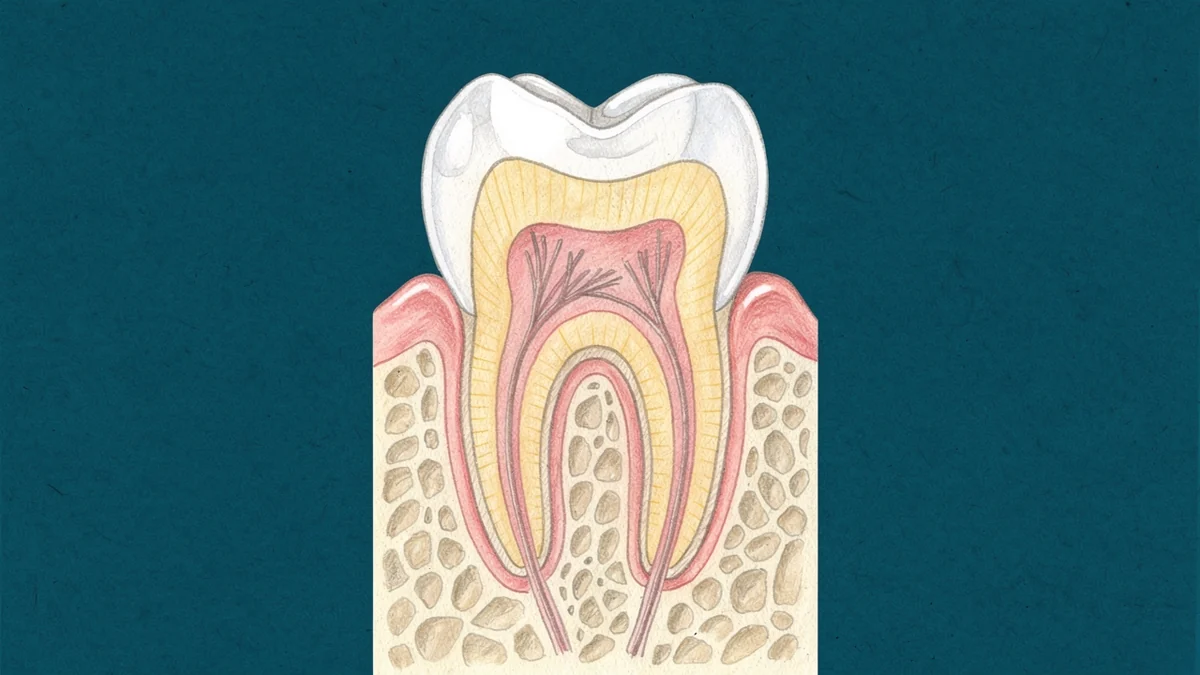
- 1Broken beyond repairA broken or cracked tooth, particularly one that splits below the gum line, may not have enough sound structure left to restore.
- 2Tooth removedThe tooth is loosened and lifted out; a surgical extraction may need a small gum opening or dividing the tooth.
- 3Gauze and blood clotGentle pressure on a gauze pad helps a blood clot form in the socket, which protects it while it heals.
- 4The socket closes overThe socket gradually closes over as new gum tissue forms, while the underlying bone remodels over a longer period.
- 5Replacing the toothReplacing an extracted tooth, if you choose to, is a separate decision made once the socket has healed.
What Is Tooth Extraction?
Tooth extraction is the removal of a tooth from its socket in the jawbone. It is not the first option your dentist considers: a filling, a root canal treatment, or an inlay, onlay or crown is assessed first wherever the tooth can realistically be saved. Extraction is recommended once a tooth is broken beyond repair, badly decayed, loosened by advanced gum disease, or causing a problem such as an impacted wisdom tooth or a crowded bite that orthodontic treatment needs to correct.
Dentists divide extractions into two broad types. A simple extraction is used for a tooth that is fully visible above the gum line and can be loosened and lifted out with dental instruments. A surgical extraction is used for a tooth that is broken at the gum line, still under the gum (impacted), or has roots that are curved or fused to the surrounding bone, and it involves a small amount of additional access to remove the tooth safely.
This page explains when extraction is considered, how simple and surgical extractions differ, what happens on the day, and how to look after the socket while it heals. If a natural tooth can be treated instead, our root canal treatment page and our general dentistry page cover the repair options your dentist weighs up first.
Tooth Extraction at a Glance
Type: simple extraction, for a tooth fully visible in the mouth, or surgical extraction, for a tooth that is broken, impacted or has complex roots.
Anaesthesia: local anaesthesia numbs the tooth and surrounding gum for both types; IV sedation is available for anxious patients or longer surgical cases if your dentist agrees it is clinically appropriate.
When it is used: a tooth that cannot be restored, an impacted wisdom tooth, severe gum disease loosening a tooth, or a tooth removed as part of an orthodontic plan.
Aftercare: protecting the blood clot in the socket in the first day or two is the single most important step in a smooth recovery.
When Is Tooth Extraction Needed?
The most common reason for extraction is a tooth that has been so badly affected by tooth decay that a filling, inlay, onlay or root canal treatment can no longer save it. Advanced gum disease can also loosen a tooth in its socket to the point where it cannot be kept long term, and a broken or cracked tooth, particularly one that splits below the gum line, may not have enough sound structure left to restore.
An impacted or partially erupted wisdom tooth is another frequent reason, especially where it causes repeated gum infection around the crown of the tooth, presses on the neighbouring tooth, or cannot be cleaned properly. Some patients also need one or more teeth removed as part of an orthodontic treatment plan, to create space for the remaining teeth to be aligned.
Who Is Tooth Extraction Suitable For?
Teeth that cannot realistically be restored. Where decay, a fracture or an old, failing restoration has destroyed too much of the tooth for a filling, inlay, onlay or crown to hold, extraction is usually the more predictable option.
Impacted or problem wisdom teeth. Wisdom teeth that are impacted, repeatedly infected, or damaging the tooth next to them are commonly removed, particularly once symptoms recur.
Teeth loosened by advanced gum disease. Once a tooth has lost too much of the bone that supports it, it may no longer be stable enough to keep, even after gum treatment.
Orthodontic space creation. Where a treatment plan needs more room to align crowded teeth, your dentist may recommend removing one or more specific teeth as part of that plan.
What We Check Before Extracting a Tooth
Blood-thinning medicines
Anticoagulant or antiplatelet medicines can affect bleeding and clotting after an extraction, so your dentist needs to know about them in advance; treatment can usually still go ahead with some adjustments.
Bisphosphonates or similar bone medicines
These medicines, often used for osteoporosis or some cancers, are linked to a rare healing complication in the jaw, so your full medical history is reviewed before any extraction.
Recent radiotherapy to the head or neck
Radiotherapy in this area can affect how well the jawbone heals, so extraction is planned carefully and sometimes alongside your medical team.
Uncontrolled medical conditions
Poorly controlled diabetes, certain heart conditions and other general health issues do not usually rule out extraction, but they mean your dentist may adapt the anaesthesia, timing or aftercare. Tell your dentist about every medicine and medical condition at your assessment, whether it is online or in the clinic.
Assessment Before a Tooth Extraction
Before you travel, you can send us photos of the tooth and, if you have them, a recent X-ray through our free online consultation, so our dentists can give an initial view on whether the tooth might still be saved or whether extraction is the more realistic plan.
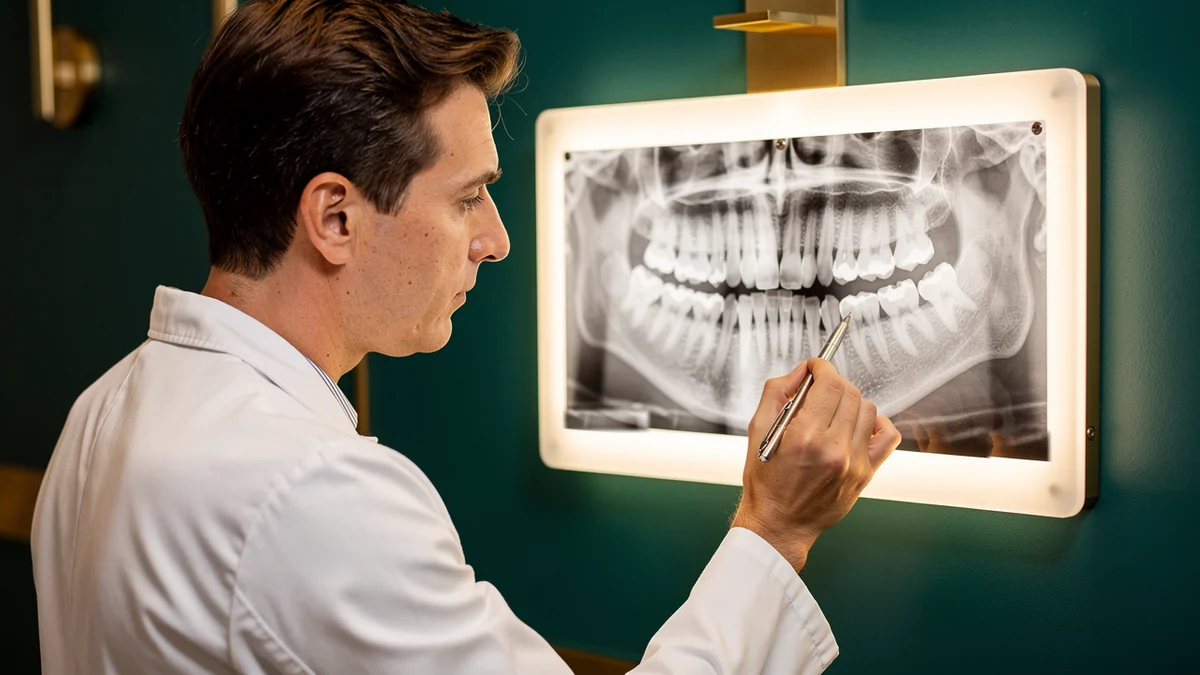
At the clinic, an X-ray, usually a panoramic X-ray, and a clinical examination confirm the position and condition of the tooth, its roots, and the surrounding bone, and show whether the extraction is likely to be simple or surgical. Your dentist also reviews your medical history and current medicines at this stage, since this can change how the extraction and aftercare are planned.
Anaesthesia and Sedation Options
Local anaesthesia numbs the tooth and the surrounding gum for both simple and surgical extractions, so the area feels numb rather than sharp during the procedure, though you may still feel pressure or movement. For patients who feel anxious about dental treatment, or for a longer surgical extraction such as a difficult wisdom tooth, IV sedation can be discussed at your assessment. Not everyone needs sedation, and it is only used if it is clinically appropriate and agreed with you in advance.
How Is a Tooth Extraction Carried Out?
Every extraction starts with an X-ray review to confirm the plan, followed by local anaesthesia to numb the tooth and surrounding gum. The tooth is then removed: for a simple extraction this means loosening it with dental instruments before lifting it out, while a surgical extraction may need a small opening in the gum, and occasionally the tooth is divided into sections, to remove it safely.
Once the tooth is out, a gauze pad is placed over the socket and you bite down gently to help a blood clot form, which is essential for healing. Before you leave, your dentist talks you through aftercare instructions specific to your extraction.
What Happens During a Tooth Extraction?
Read this diagram as text
- X-ray assessment: An X-ray and examination confirm the tooth's position and whether surgical access is likely to be needed.
- Local anaesthesia: The tooth and surrounding gum are numbed before any instruments are used.
- Tooth removed: The tooth is loosened and lifted out; a surgical extraction may need a small gum opening or dividing the tooth.
- Gauze and blood clot: Gentle pressure on a gauze pad helps a blood clot form in the socket, which protects it while it heals.
- Aftercare advice: Your dentist explains how to look after the socket over the following days before you leave the clinic.
Aftercare After a Tooth Extraction
The first 24 hours
Protecting the blood clot in the socket matters most in this period: avoid rinsing or spitting forcefully, avoid using a straw, and avoid smoking, since all of these can dislodge the clot.
Managing swelling and discomfort
A cold compress against the cheek in short spells can help with swelling in the first day, and your dentist advises on painkillers, whether over-the-counter or prescribed, suited to your extraction.
Eating and hygiene
Stick to soft, cool or lukewarm food for the first day or two, chew on the opposite side where possible, and keep brushing your other teeth normally while being gentle around the healing socket.
Follow-up
Come back or contact us if bleeding does not settle, swelling keeps increasing rather than easing, or the socket becomes more painful rather than more comfortable as the days go on.

What to Expect After a Tooth Extraction
Most people feel steadily more comfortable each day after an extraction, with the socket gradually closing over as new gum tissue forms in the following weeks and the underlying bone remodelling over a longer period. A simple extraction generally settles a little faster than a surgical one, since a surgical extraction involves more manipulation of the surrounding gum and, sometimes, bone. Your dentist gives you a realistic idea of what to expect for your specific extraction and lets you know when to come back for a check, and when it is appropriate to discuss replacing the tooth if you plan to.
Limitations of Tooth Extraction
Extraction removes the tooth itself but does not restore chewing function or fill the resulting gap on its own, so replacing an extracted tooth, if you choose to, is a separate decision made once the socket has healed. Neighbouring teeth can gradually shift towards a gap left unrepaired over time, and an opposing tooth in the other jaw can also over-erupt into the space. Every extraction, however carefully planned, carries a small chance of an unexpected complication, which your dentist explains for your particular tooth before you agree to treatment.
Risks and Possible Complications of Tooth Extraction
Dry socket
The most common complication, where the healing blood clot is lost from the socket; it is uncomfortable rather than dangerous and is treated with a dressing at the clinic.
Infection
Occasionally the socket becomes infected during healing, which your dentist can treat if it happens.
Bleeding
Some bleeding on the day is normal; ongoing or heavy bleeding needs assessment.
Nerve irritation
For lower wisdom teeth positioned close to the nerve that supplies feeling to the lip and chin, there is a small, uncommon risk of temporary or, rarely, longer-lasting numbness, which your dentist assesses on your X-ray beforehand.
Sinus communication
For upper back teeth, whose roots can sit close to the sinus, there is an uncommon risk of a small opening forming between the socket and the sinus, which your dentist checks for and can manage if it occurs.
Your dentist explains the risks that apply to your specific tooth, based on your X-rays and medical history, before you give your consent.
Signs to Watch For After an Extraction
Dry socket. If the blood clot is lost, pain in the socket that had started to settle can become noticeably worse, sometimes with an unpleasant taste or odour; this is treated at the clinic with a dressing, so contact us if this happens.
Heavy bleeding that does not stop. A little pink-tinged saliva is normal, but bleeding that continues heavily despite biting on gauze needs prompt attention.
Spreading swelling. Swelling that keeps increasing after the first day or two, or that spreads towards the eye, neck or throat, should be assessed urgently.
Fever. A fever after an extraction can be a sign of infection and should not be ignored. If you notice any of these signs, contact us straight away, or seek urgent local medical care if the swelling is spreading quickly or affecting your breathing or swallowing.
How We Assess Extractions at Er Dental Clinic
Tooth extraction at Er Dental Clinic is assessed and carried out by Dt. Enes Yol, whose training includes oral and maxillofacial surgery, alongside our other general dentists. Extraction is only recommended once your X-rays and examination confirm that the tooth cannot realistically be repaired, and your written treatment plan sets out whether a simple or surgical extraction is expected and why. The clinic holds an International Health Tourism Authorisation Certificate issued by the Republic of Turkiye Ministry of Health (certificate no. ST-6264), which you can check on the e-Devlet document verification service at turkiye.gov.tr/saglik-bakanligi-ebys.
Alternatives to Tooth Extraction
Where a tooth can still be saved, root canal treatment removes the infected or damaged pulp inside the tooth and allows the natural tooth to be kept, usually followed by a filling, onlay or crown; our root canal treatment page explains when this is realistic and when extraction is the more sensible choice instead. If a tooth does need to be removed and you want to replace it, an immediate dental implant can sometimes be placed at the same visit as the extraction, and this is covered in more detail on our immediate dental implants page. A bridge or a denture are also ways to replace a missing tooth, and your dentist discusses which option suits your case, budget and timescale once the extraction has healed.
Tooth Extraction: Frequently Asked Questions
How much is a tooth extraction in Turkey?
At Er Dental Clinic, a Simple Tooth Extraction is priced from £90 / €100 / $120, and a Surgical Tooth Extraction is £130 / €150 / $175. IV sedation for dental surgery, £820 / €950 / $1,100, is only used if it is clinically needed and agreed with you in advance. Your final cost is confirmed after our dentists review your X-rays.
Does tooth extraction hurt?
Local anaesthesia numbs the tooth and surrounding gum before the extraction begins, so you should feel pressure or movement rather than sharp pain during the procedure. Some soreness once the anaesthesia wears off is common and usually settles with the painkillers your dentist advises.
What is the difference between a simple and a surgical extraction?
A simple extraction is used for a tooth that is fully visible in the mouth and can be loosened and lifted out directly. A surgical extraction is used for a tooth that is broken, impacted or has curved roots, and may need a small gum incision, removal of a little bone, or dividing the tooth, sometimes followed by stitches.
How long does healing take after an extraction?
The socket typically closes over with new gum tissue within a few weeks, while the underlying bone continues to remodel for longer. Most people feel steadily more comfortable each day rather than worse, and your dentist gives you a realistic idea of your own healing timeline at your appointment.
What is dry socket and how can I avoid it?
Dry socket happens when the blood clot that should protect a healing extraction site is lost, and it can make pain that had started to settle become noticeably worse. Avoiding smoking, straws and forceful rinsing or spitting in the first day or two, and following your dentist's aftercare advice, helps protect the clot while it forms.
Can I fly after a tooth extraction?
Many people are able to fly a short time after a simple extraction, but this depends on how your individual socket is healing and whether your extraction was simple or surgical. Your dentist reviews your healing and advises you on timing before you travel home.
Should I replace an extracted tooth?
It depends on which tooth was removed and your own priorities, since a gap can affect chewing and allow neighbouring teeth to shift over time. Once the socket has healed, your dentist can discuss whether an immediate dental implant, a bridge or a denture suits your case.
Related Treatments and Care
Tooth extraction sits alongside several other general dentistry treatments at Er Dental Clinic. The pages below cover related decisions and prevention in more detail.
General Dentistry in Turkey
An overview of check-ups, fillings, root canal treatment and the other treatments in this family.
Explore general dentistryRoot Canal Treatment
How a tooth can sometimes be saved with root canal treatment instead of being extracted.
Read about root canal treatmentTooth Fillings
Composite fillings and amalgam replacement for teeth that do not need extraction.
Explore tooth fillingsInlay and Onlay Restorations
Ceramic repairs for larger cavities that still fall short of needing a crown or extraction.
Explore inlays and onlaysDental Cleaning
Scaling, polishing and deep cleaning to help manage gum disease before it threatens a tooth.
Explore dental cleaningDental Sealants
A preventive coating for the grooves of back teeth, to help avoid decay reaching this stage.
Explore dental sealantsFluoride Treatment
Professional fluoride varnish to help protect teeth at risk of decay.
Explore fluoride treatmentTooth Decay
How decay progresses and why an advanced cavity can sometimes lead to extraction.
Read about tooth decayOur Dentists in Istanbul
Meet the dentists who assess and plan extractions at Er Dental Clinic.
Meet our dentistsWisdom Tooth Removal
Wisdom teeth, the last molars at the back of the mouth, are removed when they are impacted, meaning there is not enough room for them to come through fully, or when they cause repeated gum infection around the partly erupted tooth, damage the tooth next to them, or develop decay that is hard to reach and clean. Removal is usually a surgical extraction, since an impacted wisdom tooth is often still partly or fully covered by gum and bone.
Not every wisdom tooth needs to come out. A wisdom tooth that is fully erupted, positioned well, and free of decay or symptoms is not automatically extracted, and your dentist reviews your X-rays to see whether it is impacted, its position relative to the nerve in the lower jaw, and whether it has caused any problems before recommending removal.
Simple vs Surgical Extraction
Whether your extraction is simple or surgical depends on the tooth's position, how much of it is visible above the gum, and the shape of its roots, not on how anxious you feel about treatment. The comparison below sets out three straightforward differences between the two approaches; your dentist confirms which applies to your tooth from your X-ray.
How Do Simple and Surgical Extraction Compare?
Read this diagram as text
| Criterion | Simple extraction | Surgical extraction |
|---|---|---|
| Tooth fully visible in the mouth | ✓ Yes | ✗ No |
| May need a small gum incision | ✗ No | ✓ Yes |
| Stitches may be needed | ✗ No | ✓ Yes |
References
- Wisdom Tooth Removal — NHS, 2026
- Extractions — American Dental Association (MouthHealthy), 2026
- Wisdom Teeth — Oral Health Foundation, 2026
Ask About Tooth Extraction in Istanbul
Send us your photos or X-rays for a free online consultation. Our dentists will give an initial view on whether your tooth could be saved or whether extraction is the more realistic option, and reply with a written treatment plan and a clear quote, so you can compare your options before you decide to travel. You can also contact us directly with any questions.
Find the Right Path for You
There are many different conditions and options in this area — browse by topic below, or answer a few questions to see the step closest to your situation.
Explore by Topic
The Basics
2 pagesDiagnosis & Methods
2 pages
Dentistry · Esenyurt, İstanbul
Why Er Dental Clinic?
Related Pages
Professional Teeth Cleaning in Turkey: Scaling, Polishing and Deep Cleaning
Dental (Fissure) Sealants: Protecting the Grooves of Back Teeth
Bruxism Treatment in Turkey: Night Guards and Other Options for Teeth Grinding
Professional Fluoride Treatment: How Fluoride Varnish Helps Protect Teeth
Tooth Decay (Cavities): Causes, Stages and Treatment at Each Stage
Er Dental Clinic: Meet the Dentists Who Plan and Carry Out Your Treatment
Free Online Dental Consultation: Send Your Photos and X-Rays for a Written Plan
Dt. Enes Yol – Oral and Maxillofacial Surgery, Er Dental Clinic Istanbul
Contact Er Dental Clinic
How Much Are Turkey Teeth? Treatment Prices at Er Dental Clinic, Istanbul
Dental Implants in Istanbul: Single, Multiple and Full-Arch
Your treatment plan · 3 short steps
Get your personal treatment plan
Answer a few quick questions — it takes about a minute. Our dentists review your answers and reply with a written treatment plan and a clear price for your case, before you decide anything.
- Your treatmentWhat are you looking for?
- Your timingX-ray, dates and how we reply
- Your detailsSo we can send your plan
What you receive
- A written treatment plan prepared by our dentists
- A clear price for your case before you travel
- No obligation — ask every question first



Your answers are reviewed by our dentist teamErtan Omerov · Enes Yol · Ahmet Mustafa Zeren · Vijdan Aslanoğlu