
Gaps Between Teeth (Diastema): Causes and Ways to Close Them
A gap between the teeth (diastema) has several causes and can often be closed with bonding, veneers or orthodontics. Free online assessment, Istanbul clinic.

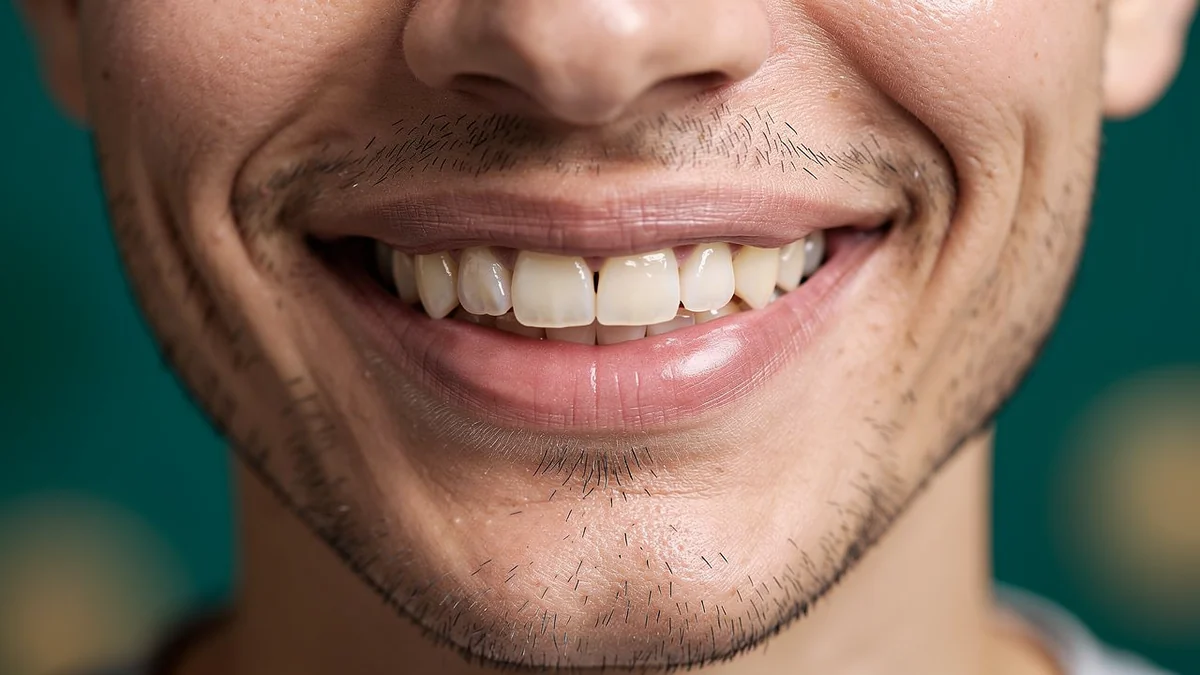
A gap between two front teeth is called a diastema. It can be caused by a mismatch between tooth size and jaw size, a low lip attachment, a missing or small tooth next to the gap, gum disease, or habits such as thumb sucking. It can often be closed with composite bonding, porcelain veneers, or orthodontic treatment.
Written by Er Dental Clinic
At a glance
What Happens to a Gap Between the Teeth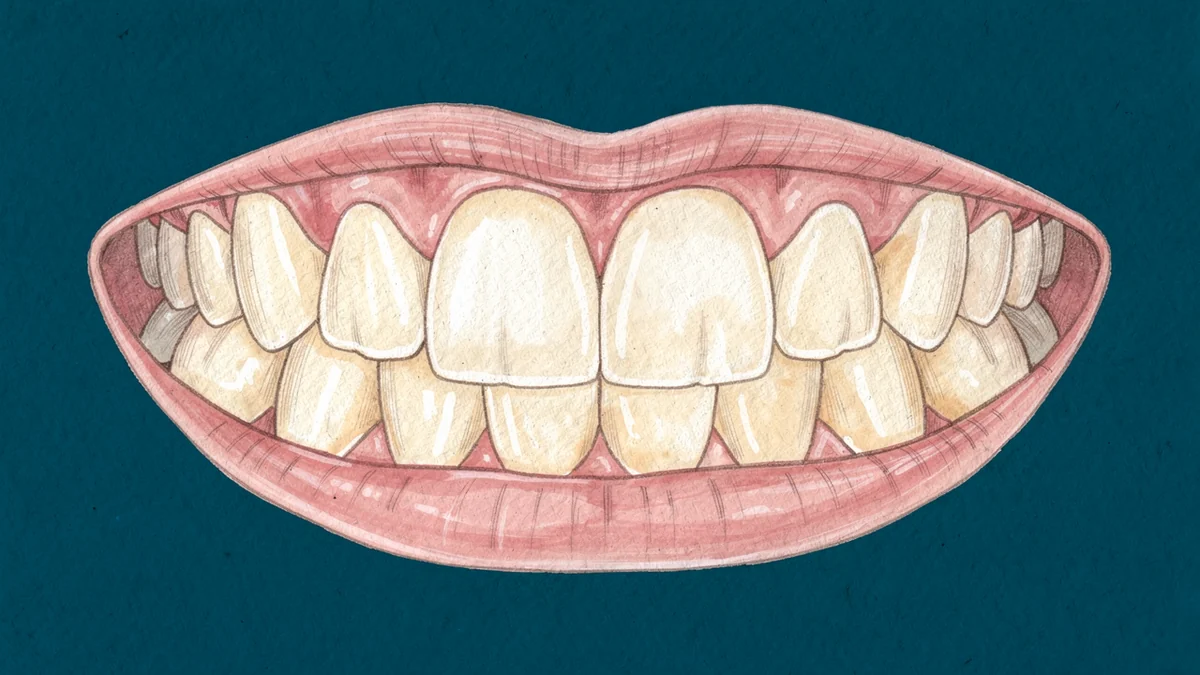
- 1A visible spaceDiastema is the dental term for a visible gap between two teeth, most often the upper central incisors.
- 2The gap can widenUntreated gum disease can let teeth drift, opening gaps between teeth that used to sit close together.
- 3Gums checked firstIf a gap has widened because of gum disease, that needs treating before any cosmetic closure.
- 4Bonding or veneer closureA small to moderate gap can be closed with composite bonding or a porcelain veneer without moving the teeth first, by changing the shape of the tooth instead.
What Is a Gap Between the Teeth (Diastema)?
A gap between two teeth — most often the two upper front teeth — is called a diastema. It can appear for several reasons, from a natural mismatch between tooth size and jaw size to a low lip attachment, a missing or unusually small tooth next to the gap, or gum disease that has let teeth drift apart. Depending on the cause and the health of the teeth and gums, a diastema can often be closed with composite bonding, porcelain veneers, or orthodontic treatment such as braces or aligners.
Gaps Between Teeth at a Glance
A gap between the teeth is common and is not automatically a dental problem — many people have one and choose to leave it as it is. It becomes worth assessing when it changes over time, when it is linked to drifting teeth or gum disease, or simply when a patient wants it closed for appearance. The right way to close it depends on why it is there: a healthy gap with no other concerns can sometimes be closed with bonding or a veneer alone, while a gap linked to gum disease or drifting teeth usually needs that underlying problem treated first, sometimes alongside orthodontic treatment.
What Is a Diastema?
Diastema is the dental term for a visible gap between two teeth, most often the upper central incisors, though a gap can appear anywhere in the mouth. It describes a space rather than a disease in itself — some diastemas are simply how a person's teeth grew in, while others develop later in life. A dentist looks at where the gap is, how wide it is, and whether the surrounding teeth and gums are healthy before recommending whether, and how, to close it.
Signs of a Gap Between the Teeth
A gap between the teeth can show itself in more than one way:
A visible space between two teeth
A visible space between two teeth, most often the upper front teeth.
Food getting caught in the gap
Food getting caught in the gap more than in other parts of the mouth.
A gap that seems to be getting wider
A gap that seems to be getting wider over time rather than staying the same.
A slight whistle in some speech sounds
A slight whistle in some speech sounds, in a small number of cases.
Gum recession or a visible triangle of gum tissue
Gum recession or a visible triangle of gum tissue in the space, which can point to gum disease rather than a simple growth gap.
If you are not sure why a gap has appeared or whether it is changing, a free online consultation is a simple way to get an initial view — send a photo and our dentists reply with their assessment.
Common Causes of a Gap Between the Teeth
A diastema usually traces back to one of these:
A mismatch between tooth size and jaw size
The teeth are smaller than the space available in the jaw, leaving a natural gap between two of them.
A low labial frenum
The band of tissue between the upper lip and the gum sits low and can hold the two front teeth apart.
Missing or small lateral incisors
The teeth beside the front two, if missing or unusually small, leave extra room on either side, widening the visible gap.
Gum disease and bone loss
Untreated gum disease can let teeth drift, opening gaps between teeth that used to sit close together.
Habits such as thumb sucking or tongue thrust
Repeated pressure against the front teeth over years can gradually push them apart.
More than one of these can act together, and a dentist checks which applies before recommending an option.
When Should You See a Dentist About a Gap Between Your Teeth?
A stable gap that has always been there and causes no discomfort does not need urgent attention. Book an appointment sooner if the gap appears suddenly or keeps widening, if you notice bleeding or swollen gums, if a nearby tooth feels loose, if food regularly gets trapped and is hard to clean out, or if the gap is affecting your confidence and you want to explore your options. A widening gap alongside a loose tooth is worth checking promptly, since together they can point to gum disease affecting the bone that supports the teeth.
How Is a Gap Between the Teeth Assessed?
The assessment starts with a clinical examination: the dentist looks at the width and location of the gap, checks the gum and bone around it, and checks how the teeth meet when you bite. An X-ray is usually taken where gum disease or bone loss is suspected, or where a tooth next to the gap looks unusually small or is missing beneath the gum.
Our process starts with a free online consultation: send clear photos of the gap and describe any symptoms, and our dentists, led by Dt. Vijdan Aslanoğlu, reply with an initial assessment before you book anything.

Does a Gap Between the Teeth Need to Be Treated?
Not necessarily. A diastema is not automatically harmful, and many people leave a stable gap untreated, especially when it has never changed and the gums are healthy — leaving a gap alone for cosmetic reasons changes nothing about oral health. It is a different picture when the gap is caused or worsened by gum disease: leaving that unaddressed lets the underlying bone loss continue, which can lead to looser teeth and a wider gap over time. Assessing the cause early keeps more closure options open, including options that avoid more involved treatment later.
Ways to Close a Gap Between the Teeth
A wider gap alongside other concerns about tooth shape or colour is sometimes addressed as part of a broader smile makeover rather than in isolation. On its own, the right way to close a gap depends mainly on its cause and size:
Composite bonding
Tooth-coloured resin is bonded to the sides of the two teeth to close a small gap, usually in a single visit; a composite veneer extends this approach across more of the tooth.
Porcelain veneers
Thin ceramic shells such as porcelain veneers close the gap while also changing the shape of the tooth, often chosen when the teeth are stained or their shape is being changed at the same time. Some patients ask about a no-prep veneer for a small gap, since little or no enamel removal is needed — your dentist can advise whether this suits your case.
Orthodontic treatment
Braces or clear aligners move the teeth to close the gap gradually. If the teeth and gums are healthy, this is often considered first, since it can close the gap without removing any tooth structure.
Gum treatment first
If a gap has widened because of gum disease, that needs treating before any cosmetic closure, since closing the gap without treating the gums allows the underlying problem to continue.
A dentist confirms which of these applies to your gap after an examination.
Real patients
Before and After at Er Dental Clinic
Photos of Er Dental Clinic patients treated for a gap between the teeth. Every case is different — ask us to see veneer cases similar to yours.
Gaps Between Teeth: Frequently Asked Questions
What causes a gap between the front teeth?
A gap most often comes from a mismatch between tooth size and jaw size, a low lip attachment (labial frenum) that holds the front teeth apart, or a missing or unusually small tooth next to the gap. Habits such as thumb sucking or tongue thrust, and gum disease that lets teeth drift apart, are other common causes.
How can a gap between the teeth be closed?
Depending on the size of the gap and the health of the teeth and gums, it can be closed with composite bonding, a porcelain veneer, or orthodontic treatment such as braces or clear aligners. If gum disease is causing the gap, that is treated first, before any cosmetic option.
Can veneers close a gap without braces?
Yes, for many patients a small to moderate gap can be closed with composite bonding or a porcelain veneer without moving the teeth first, by changing the shape of the tooth instead. A very wide gap, or one linked more to tooth position than tooth shape, may still need orthodontic treatment for a stable result.
Will the gap come back after treatment?
A gap closed with orthodontic treatment can reopen over time if a retainer is not worn as advised, since teeth naturally drift throughout life. A gap closed with bonding or a veneer does not reopen in the same way, since the restoration itself fills the space, though the surrounding teeth and gums still need regular check-ups.
Is a gap between a tooth and the gum the same as a diastema?
No. A diastema is a gap between two teeth, while a gap that appears between a tooth and the gum is usually a sign of gum recession or gum disease rather than a spacing issue, and needs a gum assessment rather than a cosmetic closure.
Do I need to treat a gap between my teeth?
Not necessarily — many people have a stable gap with healthy gums and choose to leave it as it is. Treatment becomes worth considering if the gap is widening, linked to gum disease, or affecting how you feel about your smile.
Related Treatments
A gap between the teeth is closely linked to the range of veneers and orthodontic options used to close it.
Composite Veneers
A same-visit option for closing a small gap and changing tooth shape.
Explore composite veneersPorcelain Veneers
Ceramic shells that close a gap while reshaping the tooth.
Explore porcelain veneersNo-Prep Veneers
A minimal-preparation option for some gaps, explained alongside who it suits.
Explore no-prep veneersDental Veneers in Turkey
An overview of all veneer types and how they work.
Explore dental veneersWhich Closure Option Suits Which Gap?
As a general pattern: a small gap in an otherwise healthy mouth is often suited to composite bonding, a gap alongside other shape or colour concerns is often suited to porcelain veneers, and a gap linked to drifting teeth or gum problems needs those issues assessed before any cosmetic option. The width of the gap, the health of the gums, and whether the teeth are otherwise well aligned all affect the final decision, which is why an examination matters more than the size of the gap alone.
Gap between the front teeth: which closure option is usually considered?
Read this diagram as text
- Healthy gums, with no drifting teeth?
- Yes: A small gap, with no shape or colour concerns?
- Yes: A dentist may consider composite bonding or veneers
- No: A dentist may consider porcelain veneers
- No: Gums are checked first; gum or orthodontic treatment may come first
- Yes: A small gap, with no shape or colour concerns?
Comparing Ways to Close a Gap
When several closure options could apply, the choice often comes down to material and how much of the tooth's shape needs to change. Our dedicated comparison page sets this out in more detail.
How We Assess Gaps Between the Teeth at Er Dental Clinic
At Er Dental Clinic, a gap between the teeth is assessed by Dt. Vijdan Aslanoğlu together with our restorative dentistry team. The process starts with a free online consultation: send photos of the gap and describe any symptoms, and you receive an initial assessment before travelling. At the clinic, a clinical examination and, where needed, an X-ray confirm which option — bonding, a porcelain veneer, orthodontic treatment, or gum treatment first — is realistic for your case, and the proposed plan, materials and cost are set out in writing before treatment begins.
The clinic holds an International Health Tourism Authorization Certificate issued by the Republic of Türkiye Ministry of Health (certificate no. ST-6264), which you can verify on the e-Devlet document verification service at turkiye.gov.tr/saglik-bakanligi-ebys.
References
- Orthodontics (Braces) — NHS, 2026
- Braces & Orthodontic Treatment — American Dental Association (MouthHealthy), 2026
- Gum Disease — Oral Health Foundation, 2026
Get Your Gap Assessed
Send us a photo of the gap between your teeth on WhatsApp, or through a free online consultation. Our dentists review it and reply with an initial assessment and the closure options that may apply — bonding, veneers or orthodontic treatment — so you can decide with confidence before booking anything. You can also contact us directly with any questions.
Find the Right Path for You
There are many different conditions and options in this area — browse by topic below, or answer a few questions to see the step closest to your situation.
Explore by Topic
The Basics
2 pagesDecision Support
1 page
Dentistry · Esenyurt, İstanbul
Why Er Dental Clinic?
Related Pages
Your treatment plan · 3 short steps
Get your personal veneer plan
Answer a few quick questions — it takes about a minute. Our dentists review your answers and reply with a written treatment plan and a clear price for your case, before you decide anything.
- Your treatmentWhat are you looking for?
- Your timingX-ray, dates and how we reply
- Your detailsSo we can send your plan
What you receive
- A written treatment plan prepared by our dentists
- A clear price for your case before you travel
- No obligation — ask every question first



Your answers are reviewed by our dentist teamErtan Omerov · Enes Yol · Ahmet Mustafa Zeren · Vijdan Aslanoğlu