
Broken, Cracked or Worn Teeth: Causes and Repair Options
A broken, cracked or worn tooth can often be repaired with bonding, an inlay or onlay, or a crown. Get a free online assessment from our Istanbul clinic today.
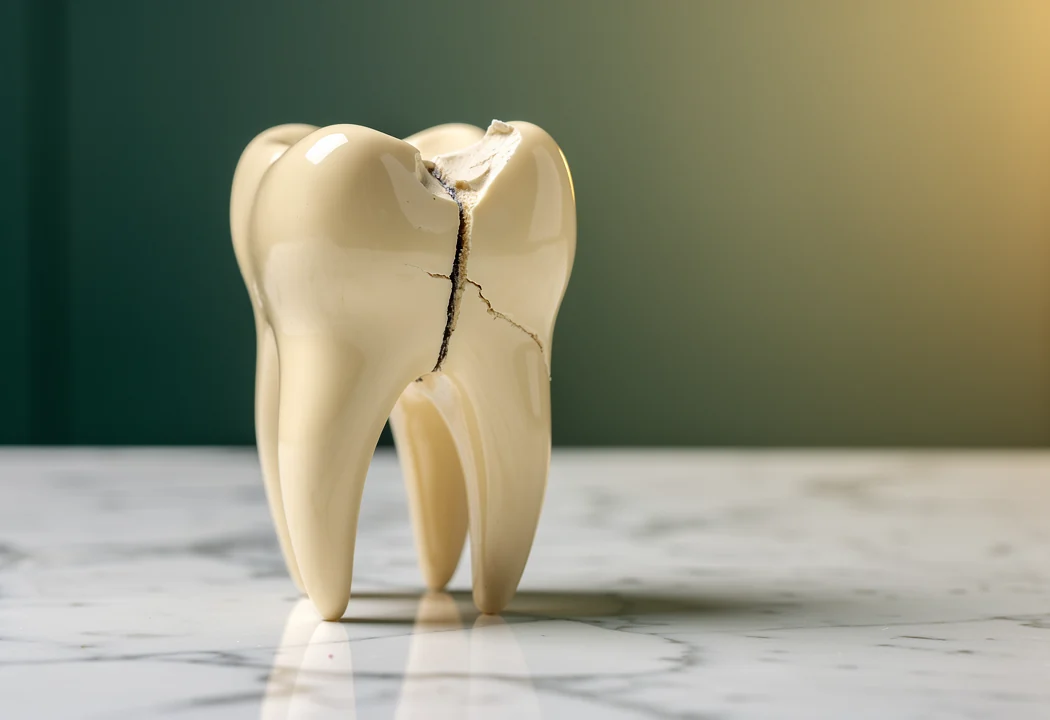
A broken, cracked or worn tooth is usually repaired with bonding, an inlay or onlay, a crown, or a root canal followed by a crown, depending on how much natural tooth structure remains. A dentist checks the crack pattern and sensitivity, and takes an X-ray where needed, before recommending a specific option.
Written by Er Dental Clinic
At a glance
What Happens to a Cracked Tooth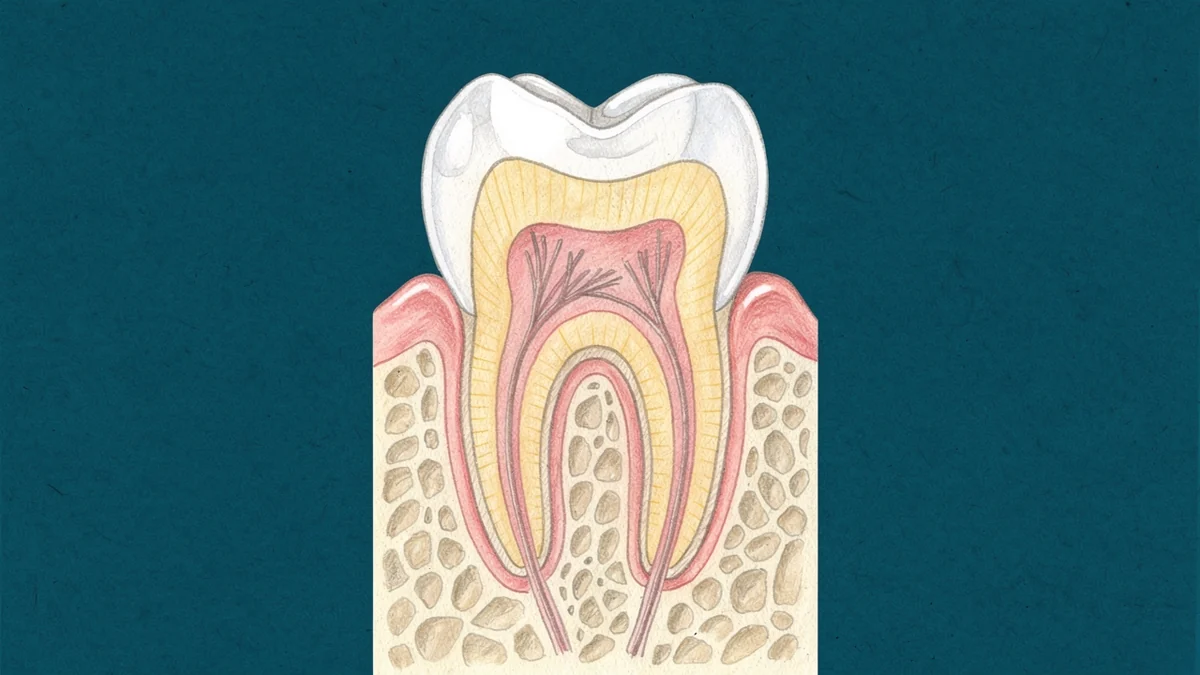
- 1A crack in the enamelA cracked tooth has a fracture line running through the enamel and sometimes deeper, which is not always visible without a close examination or a bite test.
- 2The crack extends deeperLeft unattended, a crack can extend deeper into the tooth over time.
- 3It reaches the nerveEventually the crack can reach the nerve, turning a straightforward repair into one that needs root canal treatment or extraction.
- 4A crown holds it togetherA deeper crack that affects the tooth's strength usually needs a crown to hold the tooth together and prevent it from splitting further.
What Happens When a Tooth Is Broken, Cracked or Worn?
A broken, cracked or worn tooth does not usually repair itself, and the right fix depends on how much healthy tooth structure is left underneath. A small chip on the edge of a tooth can often be smoothed or built back up with bonding. A larger break that still leaves the main structure (the cusps) intact is often better restored with an inlay or an onlay, a lab-made piece bonded into or over the tooth. Where most of the crown of the tooth is lost, or the tooth has already had root canal treatment, a full crown usually gives the strongest and most predictable result. None of these is automatically the right choice — an examination decides which applies to your tooth.
Broken and Worn Teeth at a Glance
Teeth break, crack or wear down for different reasons — a bite on something hard, an old filling giving way, night-time grinding, or simply years of use. The tooth itself is rarely in immediate danger, but a crack or a worn edge is a route for bacteria to reach the softer layers of the tooth, and a sharp edge can cut the tongue or cheek. Repair options range from a same-day bonding fix for a small chip to an inlay, onlay or crown for a larger break, with root canal treatment added when the nerve inside the tooth is affected.
What Do Broken, Cracked and Worn Teeth Mean?
A broken tooth has lost a piece of its structure, from a small chip at the edge to a larger fracture through the crown of the tooth. A cracked tooth has a fracture line running through the enamel and sometimes deeper, which is not always visible without a close examination or a bite test. Worn teeth have lost enamel gradually, most often from grinding (bruxism), acid or years of chewing, which flattens the biting surfaces and can make teeth look shorter or more yellow as the underlying dentine shows through. Dentists distinguish between these because each points toward a different repair, from bonding to a crown.
Signs That a Tooth Is Broken, Cracked or Worn
A broken, cracked or worn tooth can show itself in several ways, and it is common for more than one sign to appear together:
A visible chip or rough edge
A visible chip or rough edge that you can feel with your tongue.
Sharp pain when biting down
Sharp pain when biting down, especially on release, which is typical of a crack rather than a simple chip.
Sensitivity to hot, cold or sweet foods
Sensitivity to hot, cold or sweet foods that comes and goes.
A flattened or shortened appearance
A flattened or shortened appearance to the biting edges, often linked to grinding.
A visible line or shadow
A visible line or shadow in the tooth under certain light, sometimes only seen by a dentist.
Swelling or a dull ache
Swelling or a dull ache if the crack or break has reached the nerve, which needs prompt attention.
If you notice any of these, a free online consultation is a simple first step — send photos and, if you have pain, describe it, and our dentists reply with an initial assessment.
Common Causes of Broken, Cracked and Worn Teeth
Most broken, cracked or worn teeth trace back to one of these:
Biting on something hard
Biting on something hard, such as ice, a hard sweet or an unexpected stone in food, which can chip or fracture a tooth instantly.
A large old filling giving way
A large old filling giving way, since a heavily filled tooth has less of its own structure left to resist chewing forces.
Untreated tooth decay
Untreated tooth decay, which weakens the tooth from the inside until a piece of it fractures.
Teeth grinding or clenching (bruxism)
Teeth grinding or clenching (bruxism), often happening at night without the person realising, which wears down the biting surfaces over years — read more on our teeth grinding and bruxism page.
Acid erosion
Acid erosion, from frequent acidic drinks, reflux, or in some cases vomiting, which softens and thins the enamel.
Age-related wear
Age-related wear, since enamel naturally thins after decades of chewing, even without grinding.
Several of these can act together — for example, a tooth weakened by decay is more likely to fracture on a hard bite, and a ground-down tooth is more prone to chipping.
When Should You See a Dentist About a Broken or Worn Tooth?
A chipped edge that does not hurt can usually wait for a routine appointment, but some situations need to be seen sooner. Book an appointment promptly if you have sharp pain on biting or releasing a bite, if a piece of the tooth has broken away and you can see pink tissue (the pulp) inside it, if the area is swollen or you have a fever, or if a sharp edge is cutting your tongue or cheek. A worn tooth that is becoming sensitive, or one that looks noticeably shorter than it used to, is also worth assessing before the wear progresses further.
How Are Broken, Cracked or Worn Teeth Assessed?
The assessment starts with a clinical examination: the dentist looks at the tooth under magnification and good light, checks how it responds to biting pressure and temperature, and looks for a crack line that is not always visible to the naked eye. An X-ray is usually taken to check whether the crack or wear has reached the nerve, and to rule out decay underneath an old filling. Where grinding is suspected, the dentist also looks at the wear pattern across several teeth rather than just the one that is causing symptoms.
Our process starts with a free online consultation: send clear photos of the tooth and describe any pain, and our dentists, led by Dt. Vijdan Aslanoğlu, reply with an initial assessment before you book anything.

What Happens if a Broken or Worn Tooth Is Not Treated?
A small chip that does not hurt does not always need same-day treatment, but leaving a break or a crack unattended tends to make things harder to fix rather than staying the same. A crack can extend deeper into the tooth over time, eventually reaching the nerve and turning a straightforward repair into one that needs root canal treatment or extraction. A sharp edge left in place can also irritate the tongue or cheek, and a worn bite that is not addressed can keep flattening, sometimes changing how the upper and lower teeth meet. Assessing the tooth early generally keeps more repair options open.
Repair Options for a Broken, Cracked or Worn Tooth
The right repair depends mainly on how much of the natural tooth is left:
Bonding or a filling
For a small chip or a shallow crack, composite resin is bonded directly onto the tooth and shaped to match, usually in a single visit.
Inlay or onlay
When the break is larger but the tooth's main structure (the cusps) is still intact, a lab-made inlay or onlay restores the missing part without covering the whole tooth.
Dental crown
When most of the crown of the tooth is lost, or after root canal treatment, a dental crown covers and protects the remaining tooth. Options include a zirconia crown, an E-max crown, a full ceramic crown or a PFM crown, chosen mainly by where the tooth sits and how it bites against the opposing tooth.
Root canal treatment plus a crown
If the crack or decay has reached the nerve, root canal treatment removes the affected tissue before a crown is fitted to protect the tooth.
Extraction and replacement
In rare cases where a tooth is broken below the gum line and cannot be restored, extraction followed by a replacement such as an implant may be the only realistic option — your dentist explains this only if it genuinely applies to your tooth.
A dentist confirms which of these applies to your tooth after an examination and, where needed, an X-ray.
Real patients
Before and After at Er Dental Clinic
Photos of Er Dental Clinic patients treated for broken, cracked or worn teeth. Every case is different — ask us to see cases similar to yours.
Broken and Worn Teeth: Frequently Asked Questions
Can a broken tooth be fixed?
Yes, in most cases. A small chip is often repaired with bonding in a single visit, a larger break can be restored with an inlay, onlay or crown, and a tooth broken down to the nerve can usually be saved with root canal treatment followed by a crown. Only in rare cases, when a tooth is broken well below the gum line, is extraction the more realistic option.
Does a cracked tooth always need a crown?
Not always. A shallow crack limited to the enamel can sometimes be smoothed or bonded, while a deeper crack that affects the tooth's strength usually needs a crown to hold the tooth together and prevent it from splitting further. Your dentist decides after examining the crack and checking how it responds to biting pressure.
What causes worn teeth?
Worn teeth are most often caused by grinding or clenching (bruxism), which flattens the biting surfaces over months or years, often without the person noticing until a dentist points it out. Acid erosion from frequent acidic drinks or reflux, and simple age-related wear from decades of chewing, are the other common causes.
Is it possible for a broken tooth not to hurt at all?
Yes. A chip in the outer enamel often does not hurt because enamel has no nerve endings, while a break that reaches the softer dentine or the nerve is more likely to cause sensitivity or sharp pain. A lack of pain does not mean the tooth is fine to leave, since a small chip can still be a starting point for a larger crack.
Is bruxism the same as a cracked tooth?
No, bruxism is the habit of grinding or clenching the teeth, usually at night, while a cracked tooth is one possible result of that habit over time. Not everyone who grinds develops a crack, but bruxism is one of the most common underlying causes of worn and cracked teeth, alongside biting on hard foods or objects.
When is a broken tooth a dental emergency?
A broken tooth needs prompt attention if there is sharp pain on biting, visible pink tissue inside the break, swelling, a fever, or a sharp edge that keeps cutting your tongue or cheek. A chip without pain or swelling can usually wait for the next available appointment rather than requiring same-day emergency care.
Do I need a root canal for a broken or cracked tooth?
Only if the break or crack has reached the nerve inside the tooth, which is checked with an examination and usually an X-ray. If the nerve is unaffected, the tooth can often be restored with bonding, an inlay, an onlay or a crown alone, without root canal treatment.
Related Conditions and Treatments
Broken and worn teeth are closely linked to grinding and to the range of crowns and restorations used to repair them.
Teeth Grinding & Bruxism
Why grinding wears down and cracks teeth over time, and how it is managed.
Read about bruxismDental Crowns
How a crown protects a tooth that has lost most of its natural structure.
Explore dental crownsInlay & Onlay Restorations
A lab-made repair for a break that leaves the tooth's cusps intact.
Explore inlay/onlayZirconia Crowns
A strong, metal-free crown option often used for back teeth.
Explore zirconia crownsWhich Repair Suits Which Tooth?
As a general pattern: a small chip without pain is often suited to bonding, a larger break that still leaves the cusps standing is often suited to an inlay or onlay, and a tooth that has lost most of its crown, or already had root canal treatment, is usually suited to a full crown. Grinding, the tooth's position in the mouth and how it meets the opposing tooth all affect the final decision, which is why the assessment matters more than the description of the damage alone.
Broken or worn tooth: which repair path is usually considered?
Read this diagram as text
- Are the cusps still intact?
- Yes: Is it a small chip that does not hurt?
- Yes: A dentist may consider bonding or a filling
- No: A dentist may consider an inlay or onlay
- No: Lost most of the crown, or had root canal treatment?
- Yes: A dentist may consider a crown, sometimes after root canal treatment
- No: A dentist assesses the tooth individually to confirm the right option
- Yes: Is it a small chip that does not hurt?
Comparing Inlay, Onlay and Crown
When the tooth structure is only partly damaged, the choice is often between an inlay, an onlay and a crown, and each covers a different amount of the tooth: an inlay sits between the cusps, an onlay covers one or more cusps, and a crown covers the whole visible tooth. Our dedicated comparison page sets this out in more detail.
Inlay/Onlay vs Crown
A closer look at how much of the tooth each option covers, how they are placed, and which fits which type of damage.
Compare inlay/onlay and crownWhich Dental Crown Is Right for Me?
If a crown is the right repair, this page compares zirconia, E-max, PFM and full ceramic options.
Compare crown materialsHow We Assess Broken and Worn Teeth at Er Dental Clinic
At Er Dental Clinic, broken, cracked and worn teeth are assessed by Dt. Vijdan Aslanoğlu together with our restorative dentistry team. The process starts with a free online consultation: send photos of the tooth and describe any pain, and you receive an initial assessment before travelling. At the clinic, a clinical examination and, where needed, an X-ray confirm which repair — bonding, an inlay or onlay, a crown, or root canal treatment plus a crown — is realistic for your tooth, and the proposed plan, materials and cost are set out in writing before treatment begins.
The clinic holds an International Health Tourism Authorization Certificate issued by the Republic of Türkiye Ministry of Health (certificate no. ST-6264), which you can verify on the e-Devlet document verification service at turkiye.gov.tr/saglik-bakanligi-ebys.
References
- Chipped, Broken or Cracked Tooth — NHS, 2026
- Teeth Grinding — American Dental Association (MouthHealthy), 2026
- Dental Erosion — Oral Health Foundation, 2026
Get Your Tooth Assessed
Send us a photo of the broken, cracked or worn tooth on WhatsApp, or through a free online consultation. Our dentists review it and reply with an initial assessment and the repair options that may apply — bonding, an inlay or onlay, or a crown — so you can decide with confidence before booking anything.
Find the Right Path for You
There are many different conditions and options in this area — browse by topic below, or answer a few questions to see the step closest to your situation.
Explore by Topic
The Basics
1 pageTreatment
4 pagesComparisons
2 pagesDecision Support
1 page
Dentistry · Esenyurt, İstanbul
Why Er Dental Clinic?
Related Pages
Full Ceramic (All-Ceramic) Crowns: Metal-Free Crowns Explained
Porcelain Fused to Metal (PFM) Crowns: How They Work and Who They Suit
Teeth Grinding (Bruxism): Causes, Signs and What It Does to Your Teeth
Free Online Dental Consultation: Send Your Photos and X-Rays for a Written Plan
Which Dental Crown Is Right for Me? Front Teeth, Back Teeth and More
Inlay, Onlay or Crown? How Dentists Choose the Right Restoration
Dt. Vijdan Aslanoğlu – Dentist at Er Dental Clinic, Istanbul
Contact Er Dental Clinic
How Much Are Turkey Teeth? Treatment Prices at Er Dental Clinic, Istanbul
Your treatment plan · 3 short steps
Get your personal crown plan
Answer a few quick questions — it takes about a minute. Our dentists review your answers and reply with a written treatment plan and a clear price for your case, before you decide anything.
- Your treatmentWhat are you looking for?
- Your timingX-ray, dates and how we reply
- Your detailsSo we can send your plan
What you receive
- A written treatment plan prepared by our dentists
- A clear price for your case before you travel
- No obligation — ask every question first



Your answers are reviewed by our dentist teamErtan Omerov · Enes Yol · Ahmet Mustafa Zeren · Vijdan Aslanoğlu