
Partial Dentures in Turkey: Acrylic, Flexible and Metal-Framework Options
Partial dentures replace some missing teeth using acrylic, flexible or metal-framework designs, fitted at Er Dental Clinic in Istanbul, Turkey. Ask on WhatsApp.
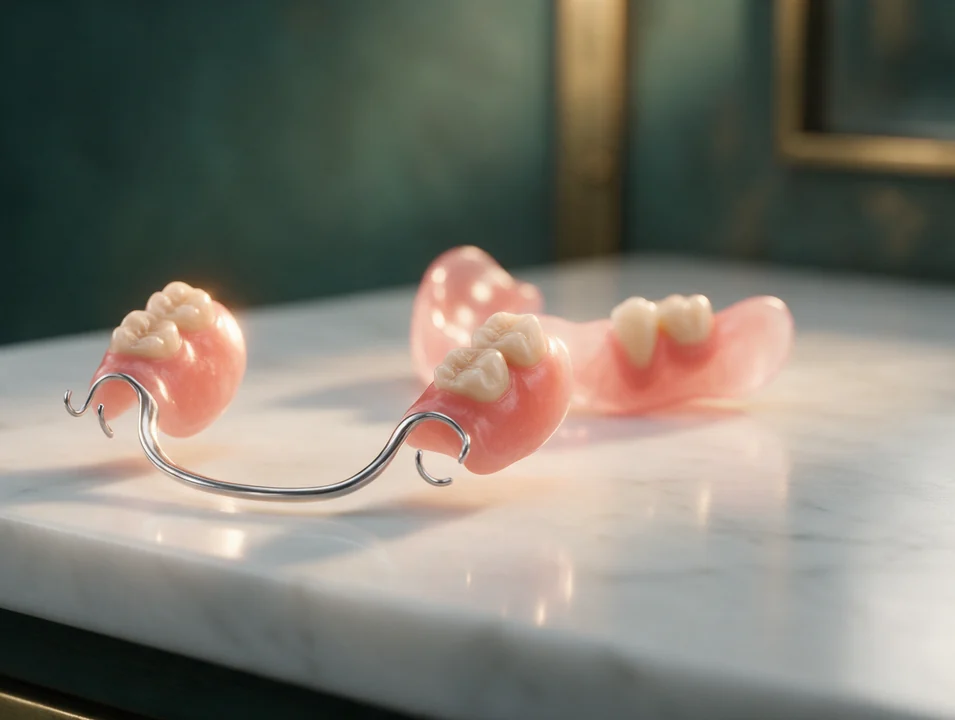
A partial denture is a removable appliance that replaces some missing teeth while your remaining natural teeth stay in place, usually held with clasps or a flexible material. At Er Dental Clinic in Istanbul, Turkey, it is designed from your impressions once an examination confirms whether acrylic, flexible or metal-framework suits you.
Written by Er Dental Clinic
Treatment at a glance
Partial Dentures, Step by Step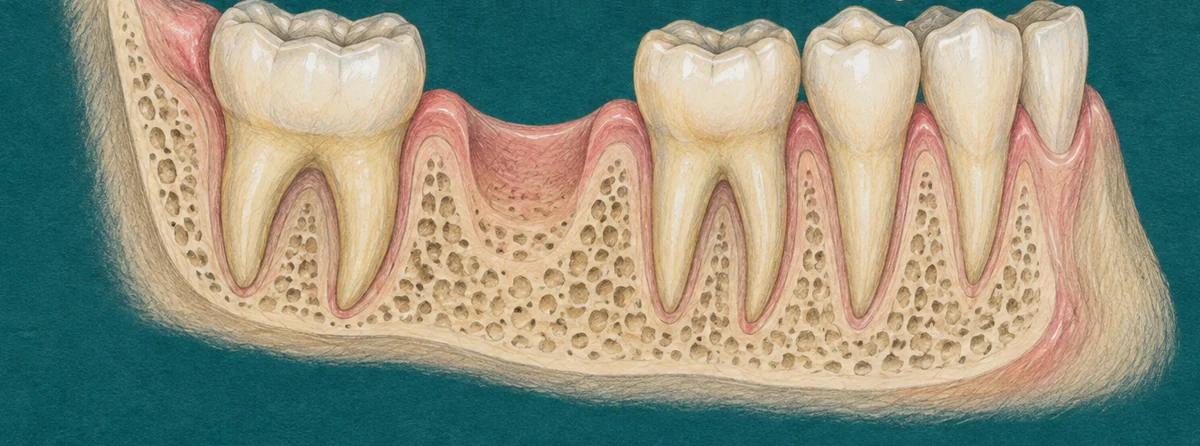
- 1Impression takenAn impression of the jaw with the gaps, together with the neighbouring and opposing teeth, shows the laboratory exactly how the appliance needs to sit.
- 2Design and claspsThe design, including the position of any clasps, is planned around your remaining teeth.
- 3Tried in and fittedOnce made in a dental laboratory, the partial denture is tried in and checked for fit, comfort and bite before it is given to you to wear.
- 4Removed for cleaningA partial denture is normally removed at night to let the gums rest and to make cleaning straightforward.
What Is a Partial Denture?
A partial denture is a removable appliance that replaces one or more missing teeth while the remaining natural teeth in that jaw stay in place. It sits on the gum and is usually held with small clasps that grip the neighbouring teeth, or with a discreet clasp-free design in a flexible material, depending on which option is planned for your mouth.
A partial denture is different from a complete denture, which replaces every tooth in a jaw, and from a dental bridge, which is cemented onto the neighbouring teeth rather than removed by the patient. It is also different from a fixed, implant-supported denture, which stays in the mouth, anchored on implants rather than being taken out for cleaning.
This page explains the material options for a partial denture, who tends to suit each one, and how a partial denture compares with a dental bridge and with dentures for a fully missing set of teeth. For an overview of every type of denture we offer, see our dentures page.
Partial Dentures at a Glance
Materials: acrylic (a pink or gum-coloured plastic base), flexible nylon-based material, sometimes known by brand names such as Valplast, or a metal framework, usually cobalt-chrome.
Retention: small clasps that grip the neighbouring teeth in acrylic and metal-framework designs; a flexible partial denture uses the material's own gum-coloured flex to grip more discreetly.
Use: suited to replacing one or a few missing teeth in a jaw that still has healthy remaining teeth, at the front or the back of the mouth.
Anaesthesia: fitting a partial denture does not usually require anaesthesia, since no teeth are being prepared or removed as part of the denture itself.
When Is a Partial Denture Used?
A partial denture is considered whenever a patient has lost some, but not all, of the teeth in a jaw and wants a removable way to fill the gaps. Common reasons include missing teeth after extraction, gaps that have never been replaced, and cases where a fixed bridge or an implant is not wanted or not currently suitable, for example while healing or saving towards further treatment. The causes and consequences of missing teeth, and the full range of replacement options from a bridge to an implant, are covered on our missing teeth page; this page focuses on the partial denture option itself.
Who Is a Partial Denture Suitable For?
Acrylic partial dentures
An acrylic base is a straightforward, cost-conscious option that can be adjusted or added to relatively easily, which is why it is often used as an early or interim solution while a patient's mouth is settling or while further treatment is being planned.
Flexible partial dentures
A flexible, nylon-based partial denture, sometimes known by brand names such as Valplast, is thinner and more discreet than an acrylic design and does not rely on visible metal clasps, which suits patients who want a less noticeable appliance for a front gap. Repair and later additions can be more limited than with other materials.
Metal-framework partial dentures
A cobalt-chrome framework is thinner and more rigid than an all-acrylic design, sits more precisely against the remaining teeth and gums, and is generally a preferred option where a partial denture is expected to be worn over a longer period.
Patients with healthy remaining teeth and gums
Because the clasps or the flexible material rest against neighbouring teeth, good oral hygiene around those teeth matters for the comfort and stability of any partial denture.
Who Is a Partial Denture Not Suitable For?
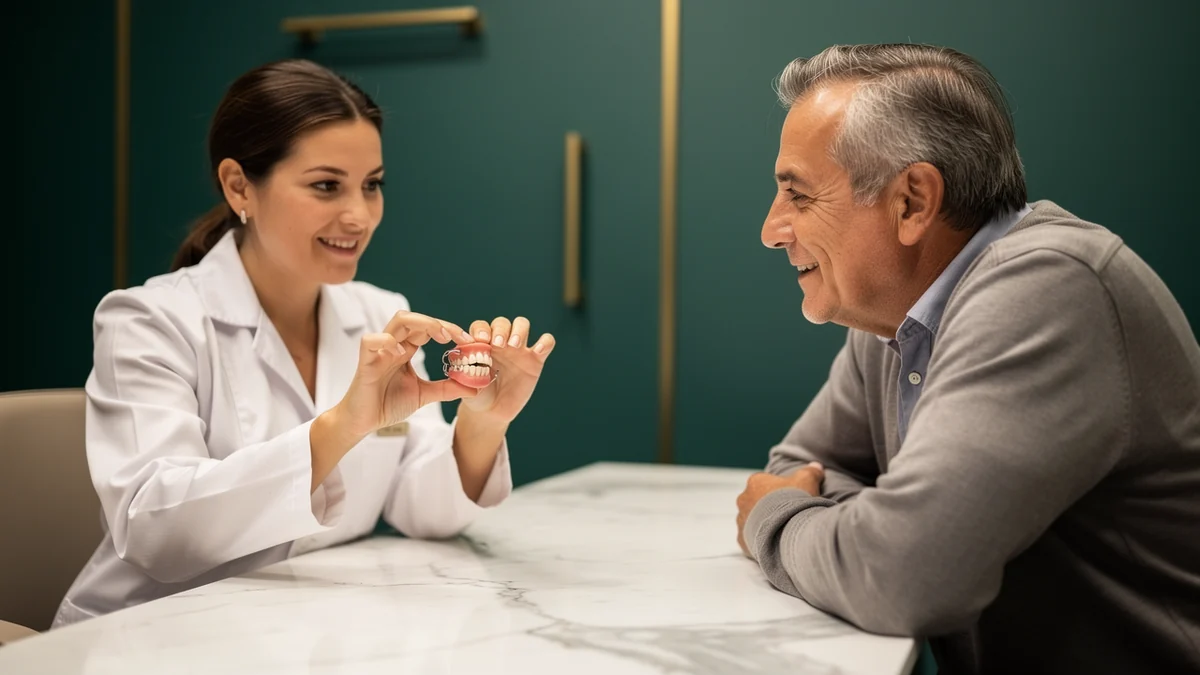
A partial denture may not be the first choice for a patient who would prefer a fixed replacement that is not removed for cleaning, since a bridge or an implant-supported crown stays fixed in place. Where several teeth are missing across a wider span, or where the remaining teeth are not strong enough to support clasps, your dentist may suggest an implant-supported option instead, including a fixed implant-supported denture for patients missing most or all of their teeth in a jaw. Active gum disease around the remaining teeth is usually treated before a partial denture is fitted, since the clasps rely on those teeth being stable.
Assessment Before a Partial Denture Is Fitted
Before you travel. The process starts with a free online consultation. You send recent photos and, if you have them, X-rays, and our dentists give an initial view on whether a partial denture suits your case before you book anything.
At the clinic. A clinical examination and X-rays confirm the condition of the remaining teeth, the gums and the bone supporting them, and whether any teeth need treatment before the partial denture design is finalised.
Choosing the material. Your dentist explains the trade-offs between acrylic, flexible and metal-framework designs so you can decide together which suits your remaining teeth, the position of the gaps and how you plan to use the denture.
How Is a Partial Denture Made and Fitted?
Fitting a partial denture starts with an impression of the jaw with the gaps, together with the neighbouring and opposing teeth, so the laboratory can see exactly how the appliance needs to sit and where it should grip. A bite record is taken so the partial denture meets the opposing teeth correctly when you close your mouth, and the design, including the position of any clasps, is planned around your remaining teeth.
Once the partial denture has been made in a dental laboratory, it is tried in and checked for fit, comfort and bite before any final adjustments are made and it is given to you to wear. The parts that make up a typical partial denture are shown in the illustration below.
Aftercare for a Partial Denture
Cleaning the denture
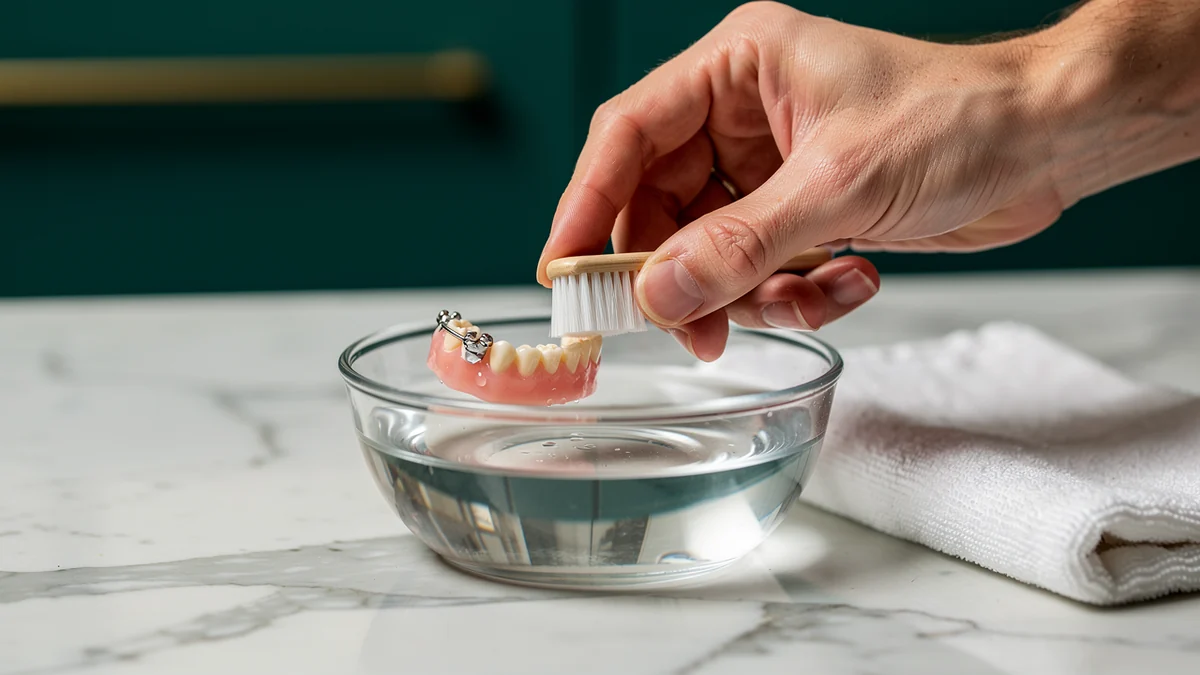
Brush the partial denture daily with a denture brush and a mild cleaner outside the mouth, away from the sink, and soak it as advised by your dentist; ordinary toothpaste can be too abrasive for some materials.
Cleaning the remaining teeth and gums
Brush the natural teeth that the denture clasps grip, and clean along the gum line carefully, since the health of the remaining teeth directly affects how well the denture fits.
Storage and rest
Keep the denture in water or a cleaning solution when it is out of your mouth so it does not dry out or distort, and give your gums a rest from the appliance overnight unless told otherwise.
Reviews
Bring the partial denture to your regular check-ups so your dentist can review the fit, the clasps and the health of the supporting teeth and gums over time.
What to Expect from a Partial Denture
With a well-fitted partial denture, the gaps left by missing teeth are filled, chewing on that side of the mouth becomes more comfortable, and the remaining teeth are less likely to drift into the space over time. Speech that had been affected by a gap, particularly at the front of the mouth, is generally easier once the appliance is in place and the patient has adjusted to it. How well any individual partial denture continues to fit depends on how the remaining teeth and gums change over time and on how consistently it is cleaned and reviewed.
Limitations of Partial Dentures
It is removable, not fixed. A partial denture is taken out for cleaning and, usually, overnight, which some patients prefer and others find less convenient than a bridge or an implant that stays in place.
The remaining teeth carry some of the load. Because clasps grip the neighbouring teeth, those teeth and their supporting gum need to stay healthy for the denture to fit and function well.
Material choice affects durability and repair. A flexible partial denture is more limited for later repair and addition than an acrylic or metal-framework design, which your dentist explains when the material is chosen.
Risks and Possible Complications of Partial Dentures
Sore spots
A new partial denture can rub against the gum in one or two places at first; these are adjusted at a follow-up visit rather than left to settle on their own.
Clasp wear or damage to neighbouring teeth
Clasps can loosen with wear, and teeth that carry a clasp need close attention to hygiene to avoid decay or gum problems around them.
Food trapping
Small gaps between the denture and the gum or neighbouring teeth can trap food, which is why extra cleaning around the appliance is advised.
Looseness over time
As the gums and jawbone change shape after tooth loss, a partial denture can become looser and may need adjustment, relining or, eventually, remaking.
Allergic or irritation reactions
Rarely, a patient reacts to a denture material; this is discussed with your dentist if it occurs.
Your dentist explains the risks that apply to your specific case, based on your X-rays and dental history, before you give your consent.
How We Assess Partial Dentures at Er Dental Clinic
Partial denture treatment at Er Dental Clinic is assessed and planned by Dt. Vijdan Aslanoğlu, alongside our other general dentists. The material recommended for your case is confirmed from your X-rays and a clinical examination, and your written treatment plan states which partial denture design is proposed and why. The clinic holds an International Health Tourism Authorisation Certificate issued by the Republic of Turkiye Ministry of Health (certificate no. ST-6264), which you can check on the e-Devlet document verification service at turkiye.gov.tr/saglik-bakanligi-ebys.
Alternatives to a Partial Denture
If a removable appliance is not what you want, a dental bridge cemented onto the neighbouring teeth is a fixed alternative for a small gap, and an implant can replace a single missing tooth or support a fixed restoration without relying on the neighbouring teeth at all. Where most or all of the teeth in a jaw are missing, a complete denture or a fixed, implant-supported denture is considered instead of a partial denture. Our dentures page compares complete dentures, immediate dentures and implant-supported overdentures, so you can see how a partial denture sits alongside the other options.
Partial Dentures: Frequently Asked Questions
Acrylic, flexible or chrome: which partial denture is right for me?
The right material depends on where your gaps are, how many teeth are missing and how you want the denture to look and feel; acrylic is a cost-conscious, adjustable option, flexible designs are more discreet, and a metal-framework denture is thinner and more rigid. Your dentist reviews your remaining teeth and gums and recommends a material with you.
Can I get a partial denture for my front teeth?
Yes, a partial denture can replace missing front teeth, and a flexible or metal-framework design is often chosen there for a more discreet appearance. Your dentist plans the clasp positions, if any are needed, so they show as little as possible.
Partial denture or dental bridge: what is the difference?
A partial denture is removable and rests on the gum with clasps or a flexible grip on the neighbouring teeth, while a dental bridge is cemented onto those teeth and stays fixed in the mouth. Your dentist discusses both options where either could work for your gap.
Do the clasps on a partial denture damage the other teeth?
A well-fitted clasp is designed to grip a tooth without damaging it, but the teeth carrying a clasp need careful brushing and flossing, since plaque can build up around them more easily. Your dentist checks these teeth at every review.
Can a tooth be added to my partial denture later?
An acrylic or metal-framework partial denture can usually have a tooth added if you lose another one later, though this depends on the condition of the existing appliance. A flexible partial denture is more limited for this kind of later addition, which your dentist explains when the material is chosen.
How do I look after a partial denture day to day?
Clean the partial denture daily outside the mouth with a denture brush and a mild cleaner, brush your remaining natural teeth as normal, and keep the denture in water or a cleaning solution when it is not being worn. Bring it to your regular check-ups so your dentist can review the fit and the supporting teeth.
Related Denture and Tooth Replacement Options
A partial denture is one of several ways to replace missing teeth at Er Dental Clinic. The pages below cover the other options and related decisions in detail.
Dentures in Turkey
An overview of complete, partial, immediate and implant-supported dentures.
Explore denturesComplete Dentures
A full set of removable teeth for a jaw with no remaining natural teeth.
Explore complete denturesImmediate Dentures
A denture fitted on the same day teeth are removed, so you are not left without teeth.
Explore immediate denturesSnap-On Overdentures
A removable denture held more securely by dental implants.
Explore snap-on overdenturesMissing Teeth
Causes of missing teeth and the full range of replacement options.
Read about missing teethOur Dentists in Istanbul
Meet the dentists who assess and plan denture treatment at Er Dental Clinic.
Meet our dentistsAcrylic, Flexible and Metal-Framework Partial Dentures Compared
Acrylic, flexible and metal-framework are the three main partial denture designs offered at Er Dental Clinic, and each balances comfort, durability and how easily the denture can be adjusted later. The comparison below sets out two straightforward, non-controversial differences between them; your dentist weighs these against the position of your gaps and the condition of your remaining teeth.
How Do Acrylic, Flexible and Metal-Framework Partial Dentures Compare?
Read this diagram as text
| Criterion | Acrylic | Flexible | Metal-framework |
|---|---|---|---|
| Contains a metal framework | ✗ No | ✗ No | ✓ Yes |
| Can usually have teeth added later | ✓ Yes | ✗ No | ✓ Yes |
Living with a Partial Denture
Most patients adapt to a new partial denture within a short settling-in period, during which speech can feel slightly different and a small amount of extra saliva is common while the mouth adjusts to the appliance. Eating is usually easier to relearn than with a complete denture, since the remaining natural teeth continue to do much of the work, though new or firmer foods are often introduced gradually at first. A partial denture is normally removed at night to let the gums rest and to make cleaning straightforward, unless your dentist advises otherwise for a specific reason.
References
Ask About Partial Dentures in Istanbul
Send us your photos or X-rays for a free online consultation. Our dentists will give an initial view on whether a partial denture suits your case and reply with a written treatment plan, so you can compare your options before you decide to travel. You can also contact us directly with any questions.
Find the Right Path for You
There are many different conditions and options in this area — browse by topic below, or answer a few questions to see the step closest to your situation.
Explore by Topic
The Basics
1 page
Dentistry · Esenyurt, İstanbul
Why Er Dental Clinic?
Related Pages
Dentures in Turkey: Complete, Partial, Immediate and Implant Options
Implant-Supported Overdentures: Snap-On Dentures Held by Implants
Missing Teeth: Causes, Effects and Replacement Options
Er Dental Clinic: Meet the Dentists Who Plan and Carry Out Your Treatment
Free Online Dental Consultation: Send Your Photos and X-Rays for a Written Plan
Dt. Vijdan Aslanoğlu – Dentist at Er Dental Clinic, Istanbul
Contact Er Dental Clinic
How Much Are Turkey Teeth? Treatment Prices at Er Dental Clinic, Istanbul
Implant-Supported Dentures: Stable Teeth Held by Implants
Your treatment plan · 3 short steps
Get your personal denture plan
Answer a few quick questions — it takes about a minute. Our dentists review your answers and reply with a written treatment plan and a clear price for your case, before you decide anything.
- Your treatmentWhat are you looking for?
- Your timingX-ray, dates and how we reply
- Your detailsSo we can send your plan
What you receive
- A written treatment plan prepared by our dentists
- A clear price for your case before you travel
- No obligation — ask every question first


Your answers are reviewed by our dentist teamErtan Omerov · Enes Yol · Ahmet Mustafa Zeren · Vijdan Aslanoğlu