
Zirconia vs E-max Crowns: Strength, Appearance and Cost
Zirconia crowns suit strength and back teeth; E-max crowns are more translucent and suit front teeth. Compare both for your Istanbul plan. Book a free online consultation.
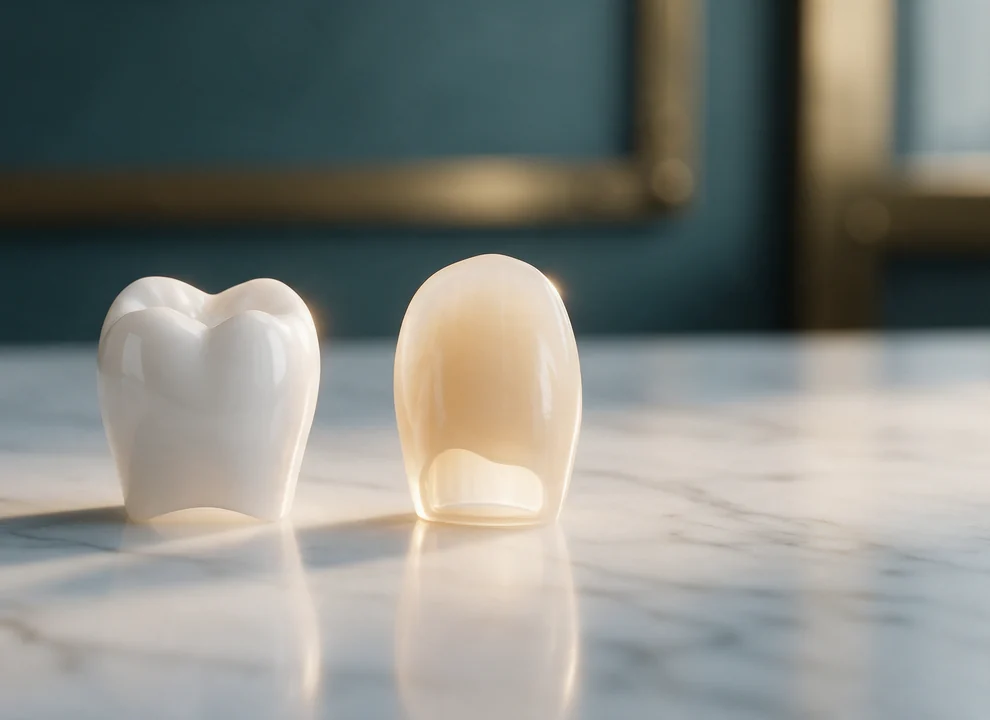
Zirconia crowns are stronger and more chip-resistant, so they are usually chosen for molars or heavy bites, while E-max crowns are more translucent and usually chosen for front teeth for a natural look. Both are metal-free, all-ceramic materials priced per unit. Your dentist confirms which suits your tooth position and bite after reviewing your X-rays.
Written by Er Dental Clinic
The difference at a glance
Zirconia vs E-max, Step by Step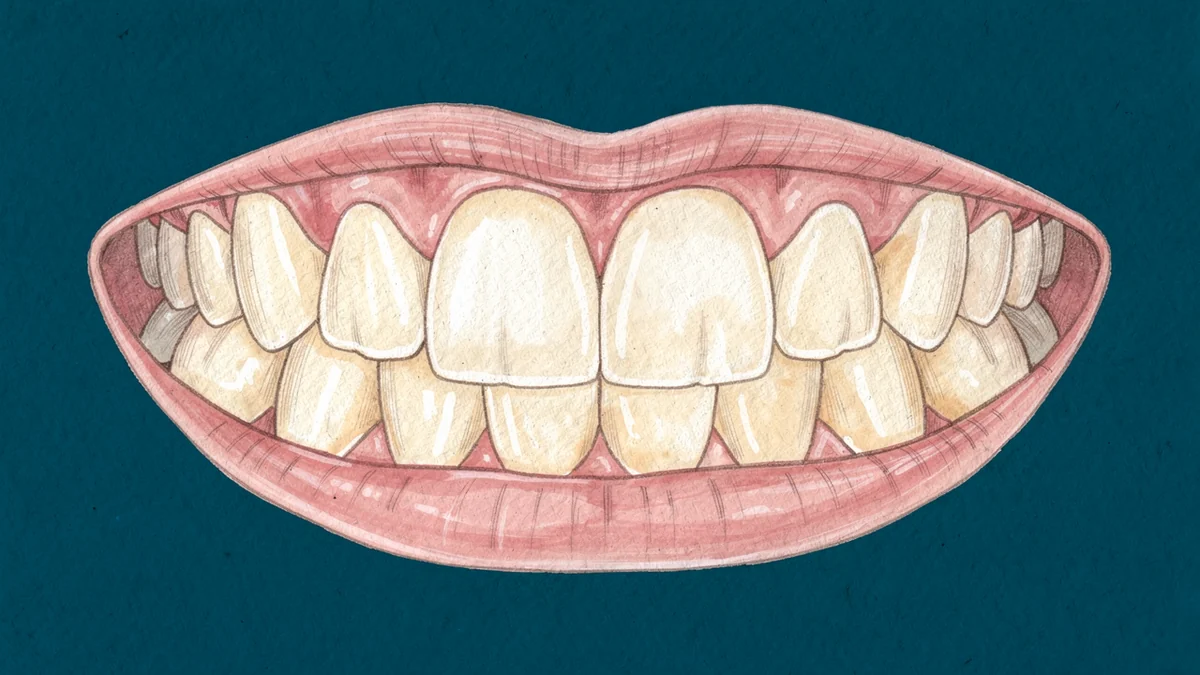
- 1X-rays and biteYour dentist confirms which material suits your bite, tooth position and budget after reviewing your X-rays.
- 2Zirconia for back teethZirconia crowns are prized for their strength and are usually chosen for molars and premolars that take the heaviest chewing forces.
- 3E-max for front teethE-max crowns are more translucent, which is why they are usually chosen for front teeth, where light passing through the crown gives a more natural look.
- 4Both in one planSome patients have zirconia crowns on back teeth for strength and E-max crowns on front teeth for appearance within the same treatment plan.
Zirconia or E-max: Which Crown Is Right for You?
Neither zirconia nor E-max crowns are right for every tooth; each suits a different set of priorities. Zirconia crowns are prized for their strength and are usually chosen for molars and premolars that take the heaviest chewing forces. E-max crowns are more translucent, which is why they are usually chosen for front teeth, where light passing through the crown gives a more natural look. Both are metal-free, all-ceramic materials, and both are covered by the same crown warranty at Er Dental Clinic. Your dentist confirms which material suits your bite, tooth position and budget after reviewing your X-rays.
What Is a Zirconia Crown?
A zirconia crown is a full-coverage dental crown milled from zirconium oxide, a strong ceramic material that contains no metal. Zirconia crowns can be made monolithic, from one solid block of zirconia, or layered with a porcelain surface for extra translucency, so the same core material covers a range of looks from very strong to more natural in appearance. Because zirconia resists chipping and cracking well, it is a common choice for back teeth that do heavy chewing, including molars that have already had a root canal. Zirconia crowns are also placed on front teeth when strength is the priority, for example for patients who grind their teeth heavily. Er Dental Clinic fits zirconia crowns as single crowns or as part of a full smile rehabilitation package; our zirconium crown page covers the material, fitting process and aftercare in more detail.
What Is an E-max Crown?
An E-max crown is milled from lithium disilicate, a glass ceramic made by Ivoclar that is known for how well it lets light pass through, giving a translucent, tooth-like appearance. Because of this translucency, E-max crowns are often chosen for front teeth, where matching the natural colour and light behaviour of the surrounding teeth matters most. E-max is also used on back teeth in some cases, although it is generally considered less resistant to chipping under a heavy bite than zirconia. E-max crowns are bonded to the prepared tooth in many cases, which can add to how well they hold once fitted. Our e-max crowns page sets out the fitting process, aftercare and who the material typically suits.
The Key Difference: Strength vs Translucency
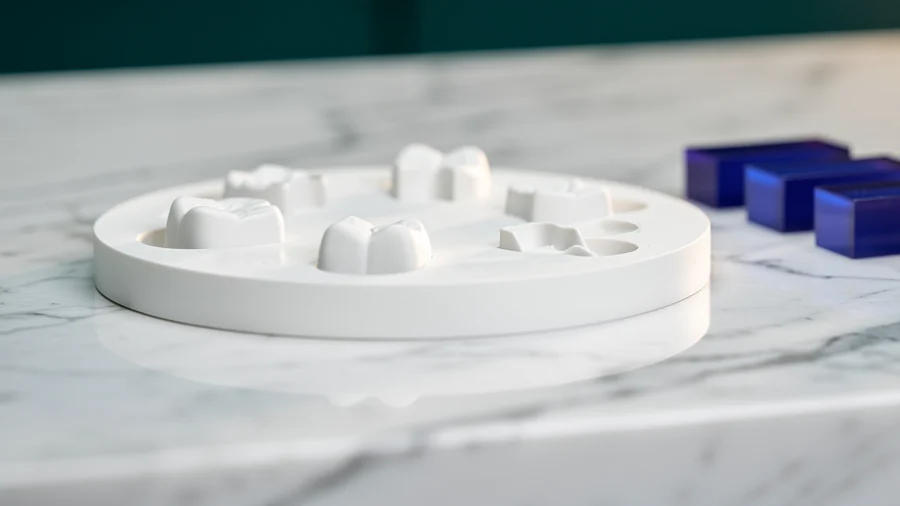
The core difference between zirconia and E-max comes down to a trade-off between strength and how light passes through the crown. Zirconia is the stronger of the two ceramics and resists chipping and cracking well, which is why it is generally recommended for molars and for patients who grind or clench their teeth heavily. E-max is more translucent, so light behaves more like it does in natural enamel, which is why it is generally recommended for front teeth where appearance is the priority. Neither material is simply better across the board: a zirconia crown on a front tooth can look slightly more opaque than a neighbouring natural tooth, while an E-max crown on a back molar may need closer monitoring for chipping in a heavy bite. Both are metal-free, all-ceramic options within our full ceramic crowns range, and both are quoted per unit rather than per arch.
Zirconia vs E-max at a Glance
The comparison below sets out the qualitative differences that come up most often in a consultation. It does not replace an individual assessment: your dentist confirms which criteria apply to your tooth after reviewing your X-rays.
Zirconia vs E-max Crowns: Key Differences at a Glance
Read this diagram as text
| Criterion | Zirconia | E-max |
|---|---|---|
| More resistant to chipping and cracking | ✓ Yes | ✗ No |
| More translucent, light-passing appearance | ✗ No | ✓ Yes |
| Metal-free, all-ceramic material | ✓ Yes | ✓ Yes |
| Often chosen for molars and heavy bites | ✓ Yes | ✗ No |
| Often chosen for front teeth | ✗ No | ✓ Yes |
Who Are Zirconia Crowns Suitable For?
Back teeth that do heavy chewing
Molars and premolars take the greatest bite forces, and zirconia's resistance to chipping and cracking makes it a common choice for these positions, including teeth that have already had a root canal.
Patients who grind or clench their teeth
Bruxism puts extra stress on any crown, and zirconia generally holds up well under that stress compared with more translucent ceramics.
Anyone wanting strength as the priority
Some patients simply prefer the added durability of zirconia over a slightly more translucent look, including on some front teeth.
Your dentist confirms whether zirconia suits your specific tooth after reviewing your X-rays and checking your bite.
Who Are E-max Crowns Suitable For?
Front teeth where appearance is the priority
The translucency of lithium disilicate lets light behave more like it does in natural enamel, which is why E-max is often chosen for teeth that show when you smile.
Patients without heavy grinding or clenching
Because E-max is somewhat less resistant to chipping than zirconia under a heavy bite, it is generally recommended where grinding is not a major factor.
Single crowns and small restorations
E-max is also commonly used for inlays, onlays and veneers, so it can match adjacent restorations in colour and light behaviour.
Your dentist confirms suitability after checking your bite and the position of the tooth being treated.
Real patients
Before and After at Er Dental Clinic
Photos of Er Dental Clinic patients treated with zirconia or E-max crowns. Every case is different — ask us to see cases similar to yours.
How Your Dentist Chooses Between Zirconia and E-max
The choice is made from your X-rays, your bite and the position of the tooth, not from a general rule of thumb. Your dentist, such as Vijdan Aslanoglu, looks at how much chewing force the tooth carries, whether you show signs of grinding or clenching, and how visible the tooth is when you smile. A back molar with a heavy bite generally points towards zirconia, while a front tooth where colour and light behaviour matter most generally points towards E-max. Where both strength and appearance matter, a layered zirconia crown with a porcelain surface is sometimes discussed as a middle option. The final recommendation, together with the price for your case, is set out in your written treatment plan before you travel.
Which Crown Material Is Right for Me?
If you are not yet sure a crown is even the right treatment, our dental crowns page introduces every type we offer, including zirconia, E-max, PFM and full ceramic options. If your tooth is broken, cracked or badly worn, our broken and worn teeth page explains the repair options a dentist typically considers, including when a crown is recommended over a filling or inlay. If you already know you need a crown but are still unsure which material fits your situation, our full guide on which dental crown is right for me walks through front teeth, back teeth, grinding and budget in more detail.
Zirconia crowns at Er Dental Clinic start from £215 / €250 / $290 per unit, and E-max crowns start from £300 / €350 / $400 per unit. Send your photos and, if you have them, X-rays for a free online consultation, and our dentists reply with a written recommendation and quote before you decide to travel.
Zirconia vs E-max Crowns: Frequently Asked Questions
Which is better, zirconia or E-max crowns?
Neither material is better in every case; each suits a different priority. Zirconia is stronger and more resistant to chipping, so it is often chosen for back teeth and heavy bites, while E-max is more translucent and is often chosen for front teeth where appearance matters most. Your dentist recommends one over the other after checking your bite and the position of the tooth.
Is there a price difference between zirconia and E-max crowns?
Yes. At Er Dental Clinic, zirconia crowns start from £215 / €250 / $290 per unit, and E-max crowns start from £300 / €350 / $400 per unit. Both are priced per unit rather than per arch, and 20-crown smile rehabilitation packages are available in either material.
How do zirconia and E-max compare with porcelain fused to metal crowns?
Both zirconia and E-max are metal-free, all-ceramic materials, while porcelain fused to metal (PFM) crowns have a metal framework under a porcelain layer. PFM has a long clinical track record but can show a grey line at the gum over time, which zirconia and E-max do not. Our PFM crowns page compares this option against both all-ceramic materials in more detail.
Is zirconia or E-max better for front teeth?
E-max is generally chosen more often for front teeth because its translucency lets light pass through in a way that resembles natural enamel. Zirconia can still be used on front teeth, particularly for patients who grind their teeth heavily, and a layered zirconia crown can narrow the appearance gap between the two materials.
Which crown lasts longer, zirconia or E-max?
Both materials can last for years with good care; lifespan depends on the tooth position, your bite, whether you grind your teeth and how well you keep up with hygiene and check-ups. Zirconia's greater resistance to chipping can be an advantage in a heavy bite, but neither material always outlasts the other in every mouth.
Can I mix zirconia and E-max crowns in the same smile rehabilitation?
Yes, some patients have zirconia crowns on back teeth for strength and E-max crowns on front teeth for appearance within the same treatment plan. Your dentist matches the shade across both materials so the crowns blend together, and this mix is reflected in your written treatment plan and quote.
Do zirconia and E-max crowns need a root canal first?
Not always. Crowns are often placed after a root canal to protect a weakened tooth, but they are also used to rebuild teeth that are broken, badly worn or heavily filled without any root canal treatment. Our broken and worn teeth page explains when a crown is recommended without endodontic treatment.
References
- Dental Crowns — Cleveland Clinic, 2026
- Crowns — American Dental Association (MouthHealthy), 2026
- Crowns — Oral Health Foundation, 2026
Message Us to Compare Zirconia and E-max Crowns
Message us on WhatsApp with photos of your teeth, or send them through a free online consultation, and our dentists will tell you whether zirconia or E-max fits your situation, along with a written plan and quote. If you would rather talk it through first, contact our clinic in Istanbul directly.
Find the Right Path for You
There are many different conditions and options in this area — browse by topic below, or answer a few questions to see the step closest to your situation.
Explore by Topic
The Basics
1 pageTreatment
4 pagesComparisons
2 pagesDecision Support
1 page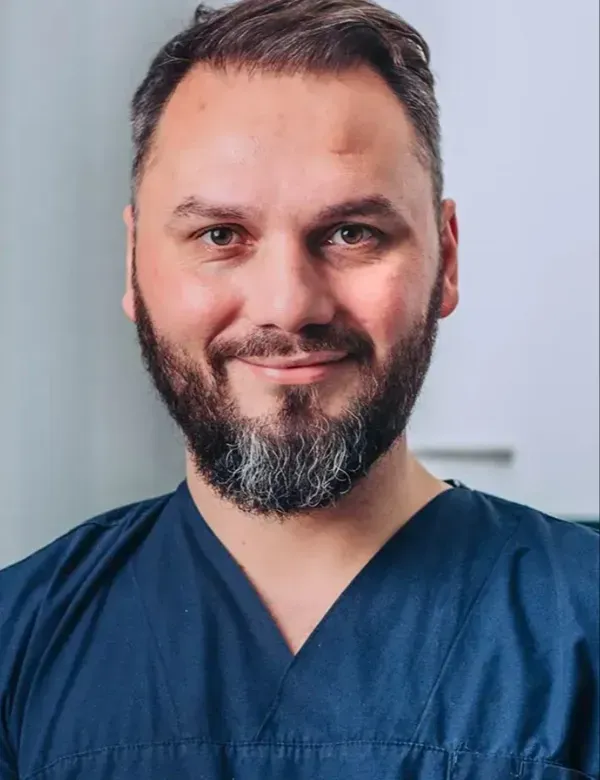
Dentistry · Esenyurt, İstanbul
Why Er Dental Clinic?
Related Pages
Dental Crowns in Turkey: Zirconia, E-max and Porcelain Options
E-max Crowns in Turkey: Translucent Ceramic Crowns for a Natural Look
Full Ceramic (All-Ceramic) Crowns: Metal-Free Crowns Explained
Broken, Cracked or Worn Teeth: Causes and Repair Options
Dt. Vijdan Aslanoğlu – Dentist at Er Dental Clinic, Istanbul
Contact Er Dental Clinic
How Much Are Turkey Teeth? Treatment Prices at Er Dental Clinic, Istanbul
Teeth Grinding (Bruxism): Causes, Signs and What It Does to Your Teeth
Your treatment plan · 3 short steps
Get your personal crown plan
Answer a few quick questions — it takes about a minute. Our dentists review your answers and reply with a written treatment plan and a clear price for your case, before you decide anything.
- Your treatmentWhat are you looking for?
- Your timingX-ray, dates and how we reply
- Your detailsSo we can send your plan
What you receive
- A written treatment plan prepared by our dentists
- A clear price for your case before you travel
- No obligation — ask every question first



Your answers are reviewed by our dentist teamErtan Omerov · Enes Yol · Ahmet Mustafa Zeren · Vijdan Aslanoğlu