
Sinus Lift Surgery for Dental Implants: Procedure and Recovery
A sinus lift raises the sinus floor to create bone for upper back implants. See how it is planned with CBCT and carried out in Istanbul, Turkey. Check your suitability.
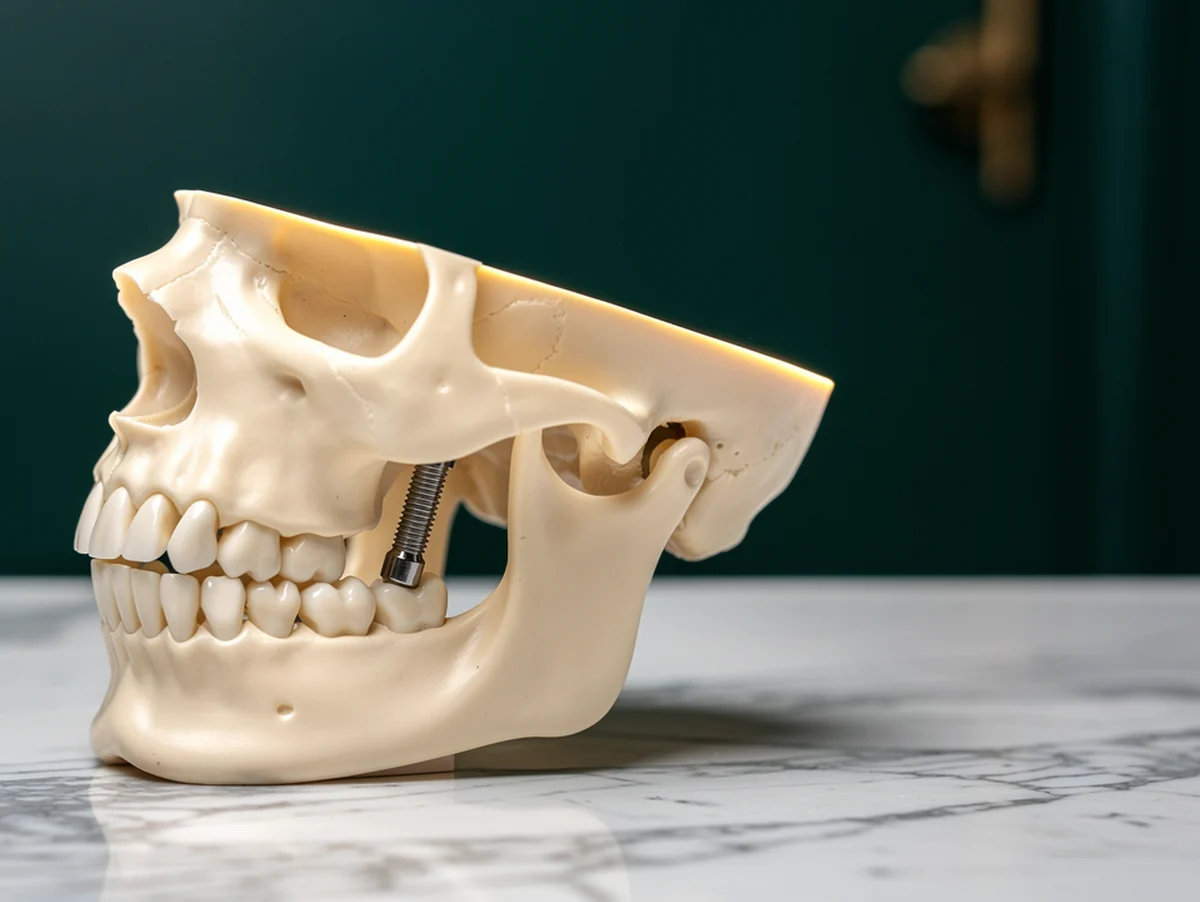
A sinus lift is a bone grafting procedure that raises the sinus floor to create enough bone height for a dental implant in the upper back jaw. At Er Dental Clinic in Istanbul, Turkey, it is planned from a CBCT scan and done as a closed or open procedure, depending on the bone needed.
Written by Er Dental Clinic
Treatment at a glance
Sinus Lift, Step by Step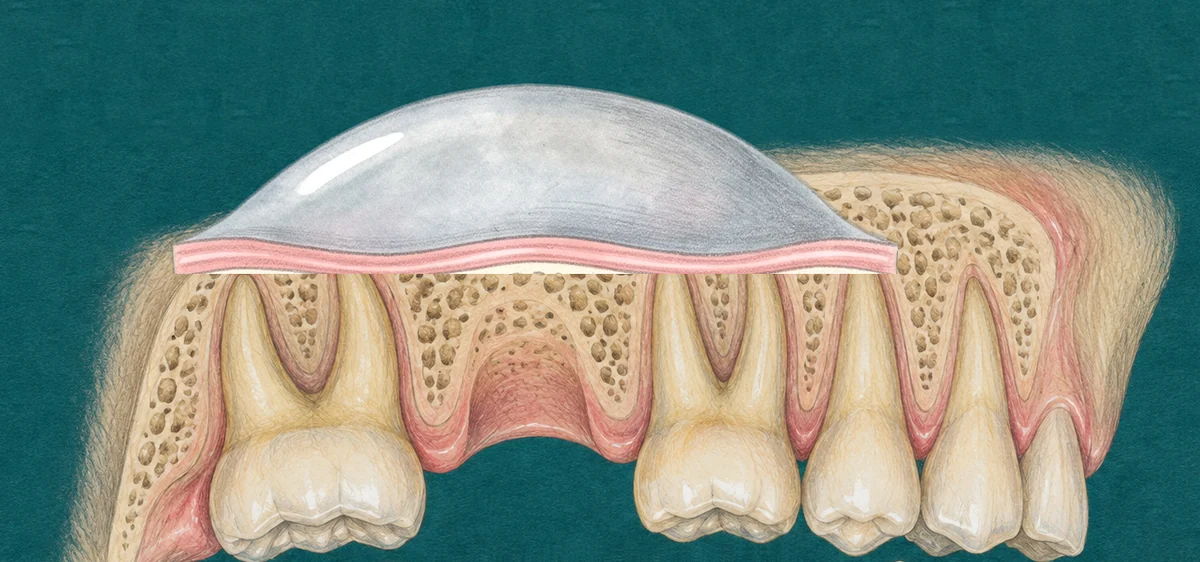
- 1AssessmentA CBCT scan measures the bone height below the sinus.
- 2Sinus floor liftedThe sinus lining is gently raised to create space above the bone.
- 3Graft placedBone graft material is packed into the space created.
- 4HealingThe graft matures and integrates with the surrounding bone.
- 5Implant placedThe implant is placed once there is enough mature bone to support it.
What Is a Sinus Lift?
A sinus lift, also called sinus augmentation or sinus floor elevation, is a bone grafting procedure carried out before or together with dental implants in the upper back jaw. The maxillary sinus, an air-filled space above the upper back teeth, sits close to the jawbone in this area, and once a tooth has been missing for a while it is often not possible to place an implant of adequate length safely. A sinus lift raises the floor of the sinus and packs graft material underneath it, creating the room an implant needs to be anchored securely.
This procedure is specific to the upper back jaw; the sinus does not affect the lower jaw or the front of the upper jaw, so a sinus lift is never used there. It is closely related to guided bone regeneration, which rebuilds bone width and height elsewhere in the jaw, and it is one of the options considered when jawbone loss has left too little bone for a standard implant. This page explains why a sinus lift is needed, how it is carried out at Er Dental Clinic in Istanbul, Turkey, and what recovery involves.
Real patients
Before and After at Er Dental Clinic
Photos of Er Dental Clinic patients. Every case is different — ask us to see implant cases similar to yours.
Sinus Lift at a Glance
Where: the upper back jaw only, next to the maxillary sinus; it is not relevant to the lower jaw or the front of the upper jaw.
Anaesthesia: local anaesthesia, the same as for standard implant placement.
Technique: closed or open, decided from the bone height measured on your CBCT scan.
Timing: a closed sinus lift can sometimes be carried out at the same time as the implant; an open sinus lift usually needs a healing period first.
Patient stories
Hear From Our International Patients
Patients from the UK, Romania, France, Ukraine and Russia talk about their treatment at Er Dental Clinic. Each video shows the treatment the patient had.
When Is a Sinus Lift Needed?
A sinus lift is used when a CBCT scan shows too little bone height below the maxillary sinus for a standard implant in the upper premolar or molar area. This is usually a consequence of jawbone loss: once a tooth has been missing for some time, the bone in that area continues to shrink and the sinus can expand downward to fill the space that is left. A sinus lift is not a treatment for a sinus condition itself; it is a way of creating bone for an implant where the sinus happens to limit the space available.
Who Is a Sinus Lift Suitable For?
A sinus lift is generally suitable for patients who want an implant in the upper back jaw but do not yet have enough bone height beneath the sinus. It can often be combined with a single implant, several implants supporting a bridge, or, once healing is complete, a full-arch plan such as All-on-4 or All-on-6 dental implants. Whether a closed or an open technique applies, and whether the implant can be placed at the same time, depends on how much bone height is missing, which is measured on your CBCT scan rather than estimated from an X-ray alone.

Who Might Not Be Suitable for a Sinus Lift?
A sinus lift may not be advisable for patients with an active sinus infection or chronic sinusitis, which needs to be treated first, since the graft is placed directly against the sinus lining. Heavy smoking, uncontrolled diabetes and some other nasal or sinus conditions can also increase the risk of complications and are assessed carefully before surgery is agreed.
Where bone loss in the upper jaw is severe and a sinus lift alone would not create enough height, or the sinus itself is not the limiting factor, zygomatic implants, which anchor further back in the cheekbone rather than in the sinus area, may be considered instead. Your dentist explains which route applies to you after reviewing your CBCT scan.
Assessment Before a Sinus Lift
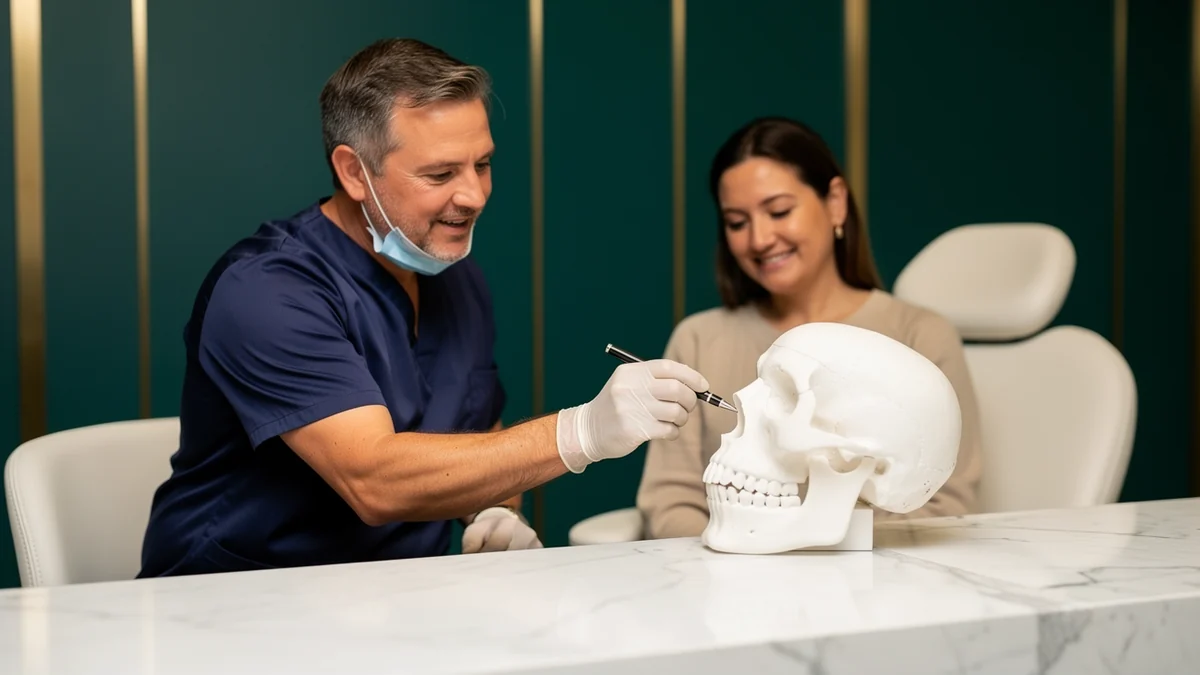
Assessment starts with a free online consultation: you send your photos and, if you have them, a recent X-ray or CT scan, and our dentists reply with a written treatment plan. At the clinic, a CBCT scan measures the exact height and width of bone below the sinus and shows the position of the sinus lining, so the surgeon can plan the safest and least invasive approach for your case. A panoramic X-ray and a clinical examination complete the assessment, and any sinus condition that needs treating first is identified at this stage rather than during surgery.
How a Sinus Lift Is Carried Out
Two techniques are used, and the bone height measured on your CBCT scan decides which one applies to you.
Closed (internal) sinus lift. Used when only a small amount of extra bone height is needed. The surgeon works through the same site prepared for the implant, gently raises the sinus floor from below and places graft material through the same opening, and the implant can sometimes be placed in the same visit.
Open (lateral window) sinus lift. Used when more bone height is needed. A small window is opened in the side of the jawbone, the sinus lining is carefully lifted away from the bone, and graft material is packed into the space created. This technique usually needs a healing period of several months before implants are placed, so the graft has time to mature and integrate with the surrounding bone.
How is a sinus lift carried out before an upper implant?
Read this diagram as text
- Assessment: A CBCT scan measures the bone height below the sinus.
- Sinus floor lifted: The sinus lining is gently raised to create space above the bone.
- Graft placed: Bone graft material is packed into the space created.
- Healing: The graft matures and integrates with the surrounding bone.
- Implant placed: The implant is placed once there is enough mature bone to support it.
Aftercare: Recovering from a Sinus Lift
Some swelling and mild discomfort around the cheek and upper jaw are common for a few days after a sinus lift, particularly after an open technique, and are usually managed with ordinary painkillers and cold compresses.
For the first one to two weeks:
Avoid blowing your nose or sneezing forcefully
If you need to sneeze, do so with your mouth open, to avoid raising pressure in the healing sinus.
Do not smoke
Smoking slows healing and increases the risk of the graft failing.
Avoid flying or diving
Changes in sinus pressure can disturb healing; your dentist advises how long to wait before you travel home.
Choose soft foods and avoid drinking through a straw
Choose soft foods and avoid drinking through a straw for the first few days.
Occasional light bleeding from the nose in the first day or two is common. Your dentist explains what is expected for your specific case and when to contact the clinic.

What to Expect After a Sinus Lift
A successful sinus lift creates enough bone height for an implant to be placed with good long-term stability. Once the graft has matured, an implant placed in that area is treated in the same way as an implant placed anywhere else in the jaw, and can go on to support a single crown, a bridge, or, together with implants elsewhere in the jaw, a full-arch restoration such as All-on-4 or All-on-6 dental implants. Healing and graft maturation take time, and your dentist confirms readiness for implant placement from a follow-up scan rather than from a fixed date.
Limitations of a Sinus Lift
A sinus lift adds bone height, but it cannot correct every case of severe bone loss in the upper jaw on its own; where loss is extensive, zygomatic implants may be a more direct route to fixed teeth. The graft needs time to mature before it can safely support an implant, so a sinus lift generally adds to the overall treatment timeline rather than shortening it. As with any bone graft, there is a small chance that the graft does not integrate as expected and needs to be redone before an implant can be placed.
Risks and Possible Complications of a Sinus Lift
Sinus lift surgery is a well-established procedure, but as with any bone grafting it carries risks that your dentist explains before you give your consent:
Perforation of the sinus membrane
Perforation of the sinus membrane during the lift, which can usually be repaired at the time of surgery without stopping the procedure.
Sinus infection
Sinus infection, treated with antibiotics if it occurs.
Graft failure
Graft failure, where the graft does not integrate with the bone as expected; the area can often be re-grafted once it has healed.
Delayed healing or graft exposure
Delayed healing or graft exposure, more common in smokers.
Implant failure
Implant failure at a later stage, assessed the same way as for any implant and not specific to a site that has had a sinus lift.
Your dentist reviews the risks that apply to your case based on your CBCT scan and medical history.
How We Approach Sinus Lift Surgery at Er Dental Clinic
Sinus lift surgery at Er Dental Clinic is planned and carried out by dentists with postgraduate training in oral and maxillofacial surgery, including Enes Yol, Oral & Maxillofacial Surgery. The technique proposed for you, closed or open, is decided from your CBCT scan rather than applied by default, and if an implant can safely be placed at the same time, this is stated in your written plan. You can read more about the dentists who carry out implant and oral surgery at our clinic on our dedicated dentists page.
The clinic holds an International Health Tourism Authorization Certificate issued by the Republic of Türkiye Ministry of Health (certificate no. ST-6264), and every plan is confirmed in writing before you travel.
Alternatives to a Sinus Lift
If only a small amount of bone is missing, some cases can be managed with guided bone regeneration or a shorter, wider implant instead of a full sinus lift; your dentist can discuss whether this applies to you at consultation. Where several teeth are missing nearby and fixed implants are not wanted, an implant-supported denture is another way to get a stable result without a full sinus lift, or a bridge or removable denture avoids surgery altogether.
Where bone loss in the upper jaw is extensive, or the sinus is not the main limiting factor, zygomatic implants may offer a route to fixed teeth without a sinus lift or extensive grafting.
Sinus Lift Surgery: Frequently Asked Questions
Why is a sinus lift needed before an upper implant?
In the back of the upper jaw, the maxillary sinus sits close to the bone, and once a tooth has been missing for a while, that bone often becomes too thin to hold an implant safely. A sinus lift raises the floor of the sinus and adds graft material, creating the height an implant needs. It is only relevant to the upper back jaw; the front of the upper jaw and the lower jaw are not affected by the sinus.
What is the difference between a closed and an open sinus lift?
A closed sinus lift works through the same site prepared for the implant and is used when only a little extra bone height is needed, sometimes allowing the implant to be placed at the same time. An open sinus lift opens a small window in the side of the jawbone and is used when more bone height is needed; it usually needs a healing period before an implant is placed. Which one applies to you is decided from your CBCT scan.
How long does recovery from a sinus lift take?
Swelling and discomfort usually settle within a week or two, similar to other bone grafting procedures. The graft itself needs longer to mature and integrate with the surrounding bone before it can safely support an implant; your dentist confirms readiness from a follow-up scan rather than from a fixed date.
Can the implant be placed on the same day as the sinus lift?
Sometimes, yes, particularly with a closed sinus lift where only a small amount of graft is needed and the remaining bone gives the implant enough initial stability. Where an open sinus lift is needed, a healing period is usually required first. Your dentist decides this from your CBCT scan and confirms it in your treatment plan.
Is a sinus lift painful?
The procedure itself is carried out under local anaesthesia, so you should not feel pain during it, only pressure. Afterwards, some swelling and tenderness around the cheek and upper jaw are common for a few days and are usually managed with ordinary painkillers.
How much does a sinus lift cost in Turkey?
A closed sinus lift starts from £260 / €300 / $350, and an open sinus lift starts from £390 / €450 / $520. Which technique you need, and whether an implant is placed at the same time, is confirmed after your CBCT scan is reviewed, and any additional cost is set out in writing before you travel.
Related Reading on Bone and Implants
Sinus lift surgery is closely linked to jawbone loss, which explains why bone height is often reduced in the first place, and to guided bone regeneration, which rebuilds bone elsewhere in the jaw using a similar grafting approach. Once healing is complete, a sinus-lifted jaw can support a single implant, an implant bridge, or a full-arch plan such as All-on-4 or All-on-6 dental implants.
Getting Back to Daily Life
For most patients, day-to-day life returns to normal within a few days of a sinus lift, once any swelling has settled. Because the surgery is close to the sinuses, ordinary activities such as blowing your nose forcefully, sneezing with your mouth closed, or air travel should be avoided for the period your dentist advises, rather than for a fixed number of days. Work, exercise and social plans can usually be resumed gradually as you feel comfortable, well before the graft has fully matured and the implant stage begins.
References
- Dental Implants: Types, Purpose & Benefits — Cleveland Clinic, 2026
- Understanding Dental Implants — Oral Health Foundation, 2026
- Implants — American Dental Association (MouthHealthy), 2026
Plan Your Sinus Lift and Implant Treatment in Istanbul
Send us your CBCT scan or recent X-rays for a free online consultation. Our dentists review your bone height and reply with a written plan that states whether a sinus lift is needed, which technique applies to you, and the cost, so you can decide before you travel.
Find the Right Path for You
There are many different conditions and options in this area — browse by topic below, or answer a few questions to see the step closest to your situation.
Explore by Topic
The Basics
2 pagesComparisons
2 pages
Dentistry · Esenyurt, İstanbul
Why Er Dental Clinic?
Related Pages
Dental Implants in Istanbul: Single, Multiple and Full-Arch
Zirconia (Ceramic) Dental Implants: A Metal-Free Alternative to Titanium
Same Day Dental Implants in Turkey: Immediate Implant Treatment Explained
Guided Bone Regeneration: Bone Grafting Before Dental Implants
Jawbone Loss After Missing Teeth: Causes, Signs and Implant Options
Er Dental Clinic: Meet the Dentists Who Plan and Carry Out Your Treatment
Free Online Dental Consultation: Send Your Photos and X-Rays for a Written Plan
Dt. Enes Yol – Oral and Maxillofacial Surgery, Er Dental Clinic Istanbul
Contact Er Dental Clinic
How Much Are Turkey Teeth? Treatment Prices at Er Dental Clinic, Istanbul
Your treatment plan · 3 short steps
Get your personal implant plan
Answer a few quick questions — it takes about a minute. Our dentists review your answers and reply with a written treatment plan and a clear price for your case, before you decide anything.
- Your treatmentWhat are you looking for?
- Your timingX-ray, dates and how we reply
- Your detailsSo we can send your plan
What you receive
- A written treatment plan prepared by our dentists
- A clear price for your case before you travel
- No obligation — ask every question first

Your answers are reviewed by our dentist teamErtan Omerov · Enes Yol · Ahmet Mustafa Zeren · Vijdan Aslanoğlu