
Jawbone Loss After Missing Teeth: Causes, Signs and Implant Options
Jawbone loss often follows missing teeth, gum disease or long-term denture wear, and can affect implant treatment. Learn the causes and signs. Book an online consultation.
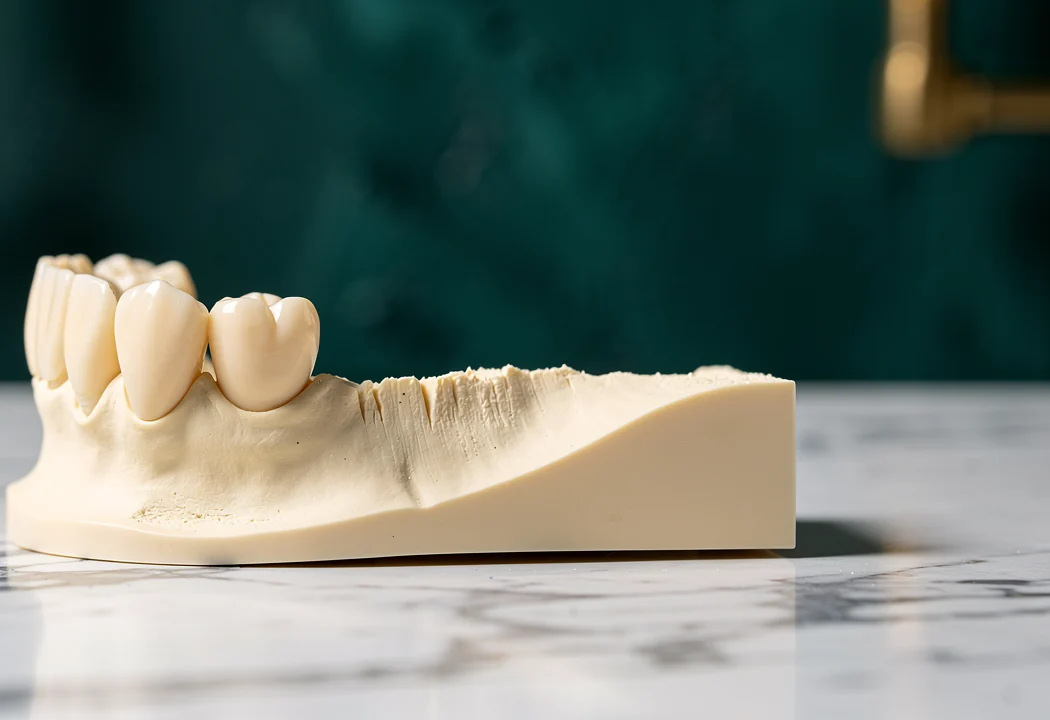
Jawbone loss is the gradual shrinking of the bone that once supported a tooth root, most often after a tooth is extracted or lost, or from long-standing gum disease. It can loosen dentures and reduce the bone available for a dental implant, though it can often be rebuilt with bone grafting first.
Written by Er Dental Clinic
At a glance
How Jawbone Loss Develops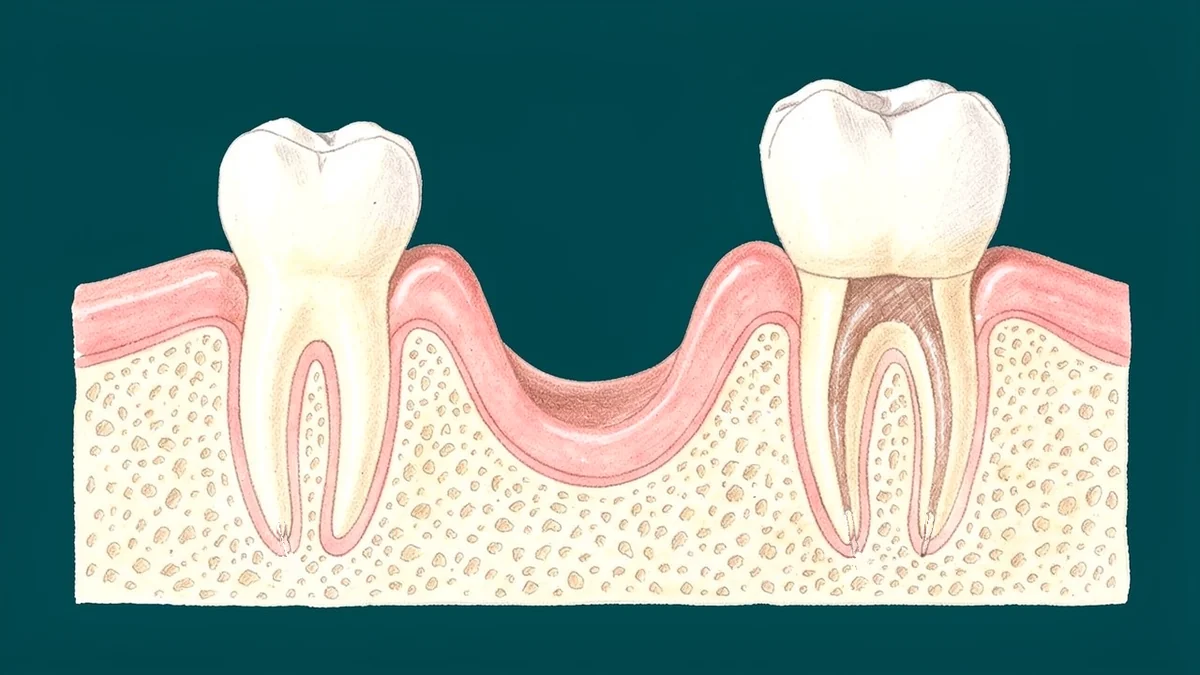
- 1A tooth is lostOnce a tooth is gone, the bone that supported its root is no longer loaded during chewing and starts to resorb.
- 2The ridge shrinksOver time, bone loss can reduce both the height and the width of the ridge.
- 3Less bone for an implantThe result is less bone available where a future implant would ideally sit.
- 4The bone can be rebuiltWhere a CBCT scan shows there is not enough bone for a standard implant, the ridge can often be rebuilt with bone grafting first.
Jawbone Loss After Missing Teeth: Causes, Signs and Implant Options
Jawbone loss is the gradual shrinking of the bone ridge that once held a tooth root in place. It happens most often after a tooth is extracted or falls out, because the jawbone only keeps its shape and density while it is being used to chew and bite. Without that stimulation, the bone in the area starts to resorb, usually within months of the tooth being lost.
Jawbone loss is not always obvious day to day. It can show up as a denture that no longer fits, a sunken look to the lower face, or a dentist explaining that there is "not enough bone" for a straightforward implant. The good news is that in most cases the bone can be measured precisely on a scan and, where needed, rebuilt before implant treatment. This page explains why jawbone loss happens, how to recognise it, how it is diagnosed, and which treatments are used to restore the bone or work around it.
Quick Facts
Jawbone loss usually follows tooth loss, gum disease or years of wearing a loose denture. It develops gradually and often has no obvious symptoms, which is why it is frequently only noticed on an X-ray or CBCT scan. It matters mainly because a dental implant needs a minimum amount of bone to be placed safely. Where bone has already been lost, options such as guided bone regeneration, a sinus lift or zygomatic implants can often still make implant treatment possible.
What Is Jawbone Loss?
The bone that surrounds a tooth root, known as the alveolar bone, is kept dense and firm by the everyday forces of chewing and biting. When a tooth is removed or falls out, that bone no longer receives those forces and the body gradually breaks it down and reabsorbs it, a process dentists call resorption.
The loss is most rapid in the first months after a tooth is lost and then continues more slowly over years. Over time it can reduce both the height and the width of the ridge, and in the upper jaw it can also allow the sinus to expand downward into the space once occupied by a tooth root. The result is less bone available where a future implant would ideally sit, and in more advanced cases a visible change to the shape of the jaw and the support it gives to the lips and cheeks.
Signs of Jawbone Loss
Jawbone loss rarely causes pain on its own, so it is usually noticed through its knock-on effects rather than a direct symptom. Common signs include a denture that has become loose or uncomfortable, a change in the fit of a bridge or partial denture, and neighbouring teeth gradually tilting or drifting into the gap left by a missing tooth. In more advanced cases, the lower part of the face can look sunken around the mouth, and the jaw itself may feel narrower to the tongue.
What Causes Jawbone Loss?
A few situations account for most of the jawbone loss we see:
- Missing teeth. Once a tooth is gone, the bone that supported its root is no longer loaded during chewing and starts to resorb. The longer a gap is left unfilled, the more bone is typically lost.
- Gum disease (periodontitis). Long-standing gum infection damages the ligament and bone that anchor a tooth, and can cause bone loss even while the tooth is still in place.
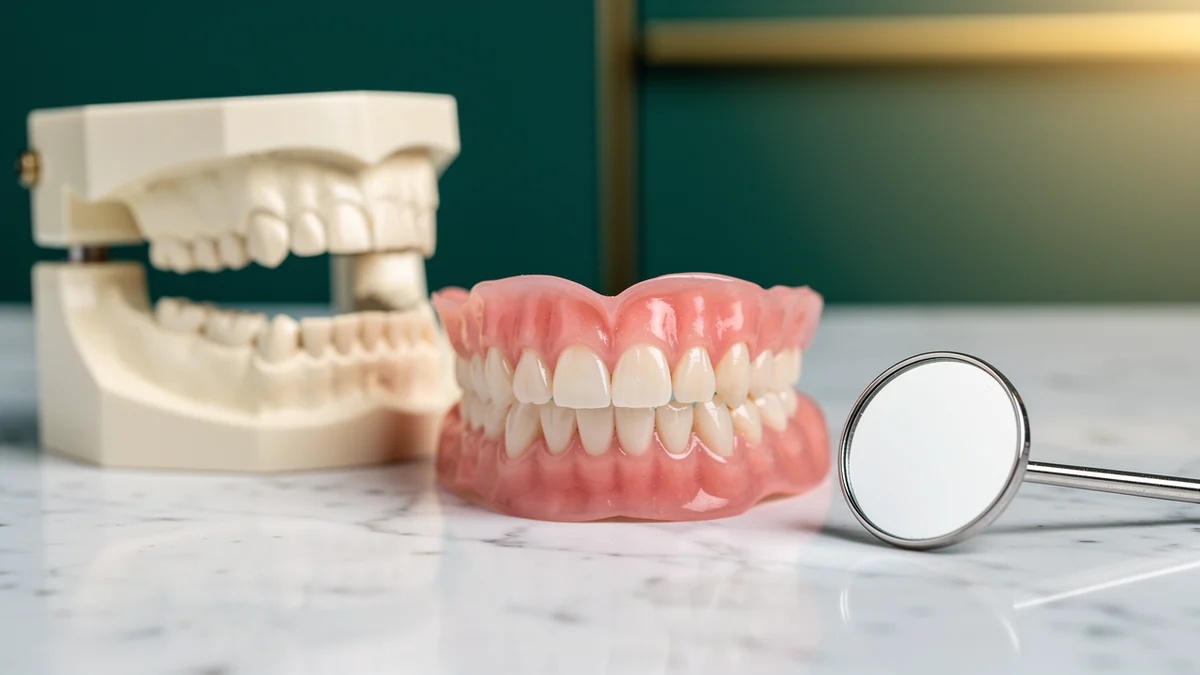
- Long-term denture wear. A removable denture rests on the gum and bone rather than being anchored into it, so it does not fully replace the chewing forces a tooth root once provided; bone loss under a denture tends to continue gradually over years.
- Age-related changes. Bone density can decline gradually with age in general, which can add to the effect of any of the causes above, though age on its own does not usually cause significant jawbone loss.
- Trauma or infection at the tooth root, which can accelerate local bone loss around the affected tooth.
When Should You See a Dentist?
It is worth arranging a dental check-up if a denture or bridge no longer feels secure, if a gap from a missing tooth has been left for more than a few months, if you notice gum bleeding or swelling that does not settle, or if you have been told by a previous dentist that you may not have enough bone for an implant. None of these on their own confirm jawbone loss, but they are the situations where a scan is most useful to establish exactly how much bone is present.

How Is Jawbone Loss Diagnosed?
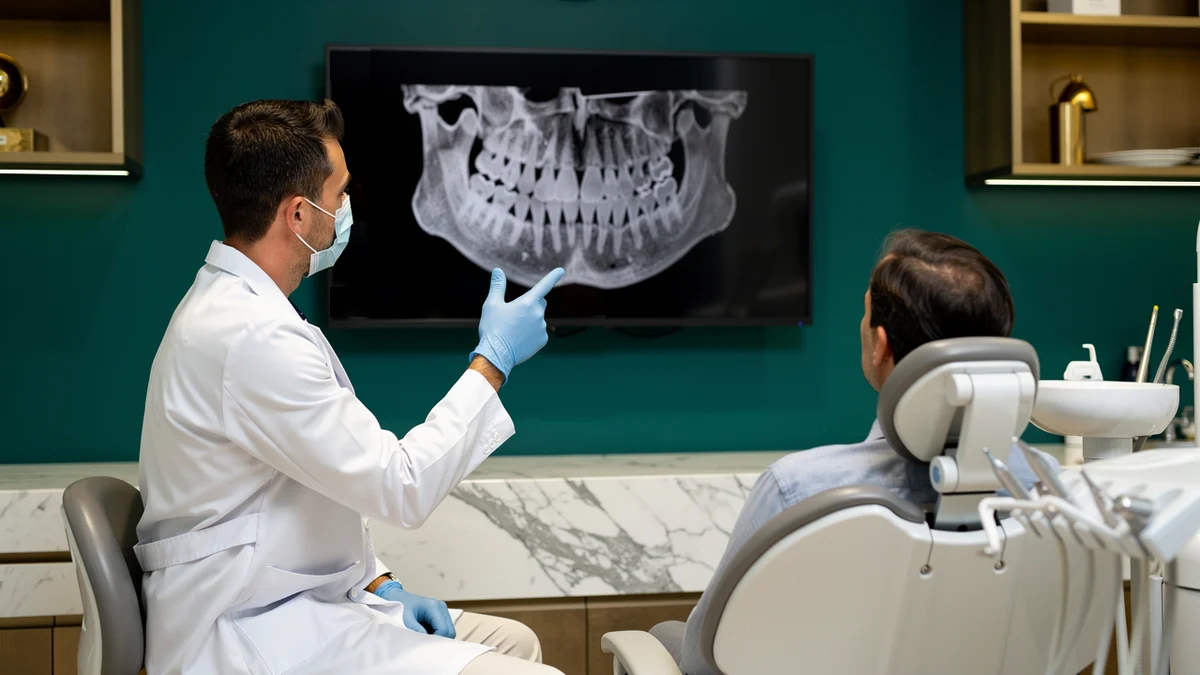
Jawbone loss is confirmed with imaging rather than a visual examination alone, because the bone sits beneath the gum. A panoramic X-ray gives a first, two-dimensional view of the jaws and can show obvious areas of bone loss. Where implant treatment is being planned, a CBCT (cone beam computed tomography) scan is used to measure the height, width and density of the bone in three dimensions, and to show the position of the nerves and, in the upper jaw, the sinus. This is the scan that decides whether a standard implant can be placed, or whether the bone needs to be rebuilt first.
Does Jawbone Loss Need Treatment?
Not every degree of jawbone loss needs active treatment. Mild loss around a single missing tooth may not stop a standard implant being placed, and your dentist will assess this from your scan rather than assume the worst. Left unaddressed for years, however, more significant bone loss tends to make later implant treatment more complex, can change the fit of dentures and bridges, and can alter the support the jawbone gives to the lower face. Replacing a missing tooth reasonably soon, whether with an implant or another option, is one of the simplest ways to limit further bone loss in that area.
Treatment Options for Jawbone Loss
Where a CBCT scan shows there is not enough bone for a standard implant, one of a few procedures is usually considered, depending on where the bone is missing and how much is needed. These are explained in detail on their own pages; here is a short summary of each.
Guided Bone Regeneration
A bone graft placed under a protective membrane to widen or heighten a thin ridge before or during implant placement.
Read about guided bone regenerationSinus Lift
Raises the floor of the sinus to create room for implants in the back of the upper jaw, where bone is often thinnest.
Read about the sinus liftZygomatic Implants
For severe upper-jaw bone loss, longer implants anchored in the cheekbone can sometimes avoid extensive grafting altogether.
Read about zygomatic implantsFull Mouth Dental Implants
If most or all of your teeth are missing and bone loss is widespread, this page compares the fixed and removable full-arch options.
Compare full mouth optionsReal patients
Before and After at Er Dental Clinic
Photos of Er Dental Clinic patients who needed bone grafting before their implants. Every case is different — ask us to see cases similar to yours.
Jawbone Loss: Frequently Asked Questions
What causes jawbone loss?
Jawbone loss most often follows a missing tooth, because the bone that supported its root is no longer used in chewing and gradually resorbs. Long-standing gum disease and years of wearing a loose denture are the other common causes. Age can add to these effects but rarely causes significant bone loss on its own.
What are the symptoms of jawbone loss?
Jawbone loss usually has no obvious symptoms on its own and is often noticed through its effects: a denture or bridge that no longer fits well, neighbouring teeth drifting into a gap, or a sunken appearance around the mouth in more advanced cases. A dental X-ray or CBCT scan is the most reliable way to confirm it.
Does jawbone loss happen from missing teeth?
Yes, this is the most common cause. Once a tooth is extracted or lost, the surrounding bone no longer receives the pressure of biting and chewing and begins to shrink, most noticeably in the first months after the tooth is gone. Replacing the tooth reasonably soon helps to limit this.
Can gum disease cause jawbone loss?
Yes. Periodontitis, an advanced form of gum disease, damages the ligament and bone that anchor a tooth in place, and this bone loss can continue even while the tooth is still present. Treating gum disease early reduces how much bone is affected.
How is jawbone loss treated?
Treatment depends on how much bone is missing and where. Localised loss is often rebuilt with guided bone regeneration; loss at the back of the upper jaw may need a sinus lift; severe upper-jaw bone loss can sometimes be managed with zygomatic implants instead of grafting. Your dentist chooses the approach after reviewing your CBCT scan.
Does jawbone loss get worse with age?
Bone density can decline gradually with age in general, but age alone is not usually a major cause of jawbone loss. The more significant factors are how long a tooth has been missing, whether gum disease is present, and how well any dentures fit. These factors matter at any age.
Can I still get a dental implant if I do not have enough bone?
Often, yes. Guided bone regeneration can rebuild a thin ridge, a sinus lift can create room in the upper back jaw, and zygomatic implants are an option for severe upper-jaw bone loss without extensive grafting. A CBCT scan shows which approach applies to your case.
Related Conditions and Treatments
Jawbone loss is closely linked to missing teeth and to the treatments that rebuild bone or work around it. The pages below cover the related condition and the main implant-based options.
Not Enough Bone for a Dental Implant? How It Is Assessed
There is no single answer to "can I still get an implant" without a scan. The diagram below shows, in simplified form, how the CBCT findings usually guide the decision between a standard implant, bone grafting, a sinus lift or zygomatic implants — the final choice is always made by your dentist after reviewing your own scan.
How is bone loss assessed before dental implants?
Read this diagram as text
- Is there enough bone at the implant site on the CBCT scan?
- Yes: Your dentist assesses you for a standard implant.
- No: Is the bone loss at the back of the upper jaw, near the sinus?
- Yes: Your dentist may assess a sinus lift for this area.
- No: Is the bone loss severe, affecting most of the upper jaw?
- Yes: Your dentist may assess zygomatic implants.
- No: Your dentist may assess bone grafting (GBR) first.
How We Assess Jawbone Loss at Er Dental Clinic
Bone-related implant cases at Er Dental Clinic are assessed by Enes Yol, Oral & Maxillofacial Surgery. Every plan starts with a review of your photos and, where available, your existing X-rays or scans, followed by a written treatment plan before you travel. At the clinic, a CBCT scan confirms exactly how much bone is present, and if grafting, a sinus lift or zygomatic implants are recommended, the reasons and the cost are explained and agreed with you before treatment begins.
References
- Dental Implants: Types, Purpose & Benefits — Cleveland Clinic, 2026
- Understanding Dental Implants — Oral Health Foundation, 2026
- Implants — American Dental Association (MouthHealthy), 2026
Find Out If Bone Loss Affects Your Implant Options
Send us your photos, and your X-ray or CBCT scan if you have one, for a free online consultation. Our dentists will tell you whether a standard implant is possible, or whether bone grafting, a sinus lift or zygomatic implants should be part of your plan, before you decide to travel.
Find the Right Path for You
There are many different conditions and options in this area — browse by topic below, or answer a few questions to see the step closest to your situation.
Explore by Topic
The Basics
2 pagesComparisons
2 pages
Dentistry · Esenyurt, İstanbul
Why Er Dental Clinic?
Related Pages
Missing Teeth: Causes, Effects and Replacement Options
Loose or Ill-Fitting Dentures: Why It Happens and What Can Be Done
Full Mouth Dental Implants in Turkey: Options for Replacing All Your Teeth
Free Online Dental Consultation: Send Your Photos and X-Rays for a Written Plan
Dt. Enes Yol – Oral and Maxillofacial Surgery, Er Dental Clinic Istanbul
Contact Er Dental Clinic
How Much Are Turkey Teeth? Treatment Prices at Er Dental Clinic, Istanbul
Your treatment plan · 3 short steps
Get your personal implant plan
Answer a few quick questions — it takes about a minute. Our dentists review your answers and reply with a written treatment plan and a clear price for your case, before you decide anything.
- Your treatmentWhat are you looking for?
- Your timingX-ray, dates and how we reply
- Your detailsSo we can send your plan
What you receive
- A written treatment plan prepared by our dentists
- A clear price for your case before you travel
- No obligation — ask every question first



Your answers are reviewed by our dentist teamErtan Omerov · Enes Yol · Ahmet Mustafa Zeren · Vijdan Aslanoğlu