
Zirconia (Zirconium) Veneers: Strength, Opacity and Who They Suit
Zirconia (zirconium) veneers are opaque, highly durable ceramic shells that can mask darker teeth, individually assessed at Er Dental Clinic in Istanbul, Turkey.
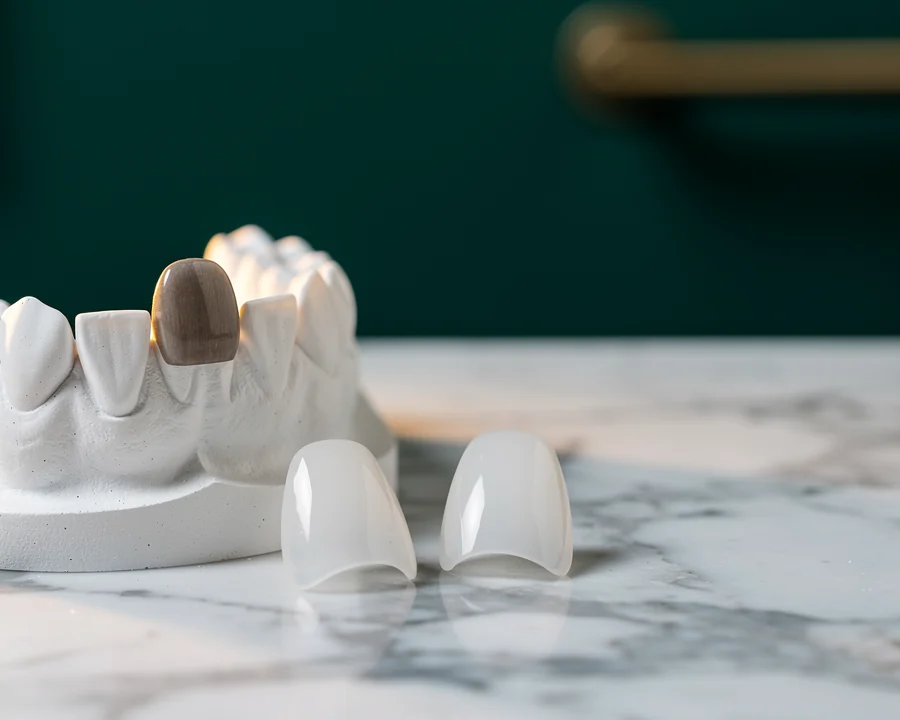
A zirconia veneer, also called a zirconium veneer, is a thin but strong ceramic shell bonded to the front of a tooth to change its shape, colour or alignment. Zirconia is more opaque than other veneers, useful for masking a darker or stained tooth, though porcelain and E-max veneers are more commonly used at Er Dental Clinic.
Written by Er Dental Clinic
Treatment at a glance
Zirconia Veneers, Step by Step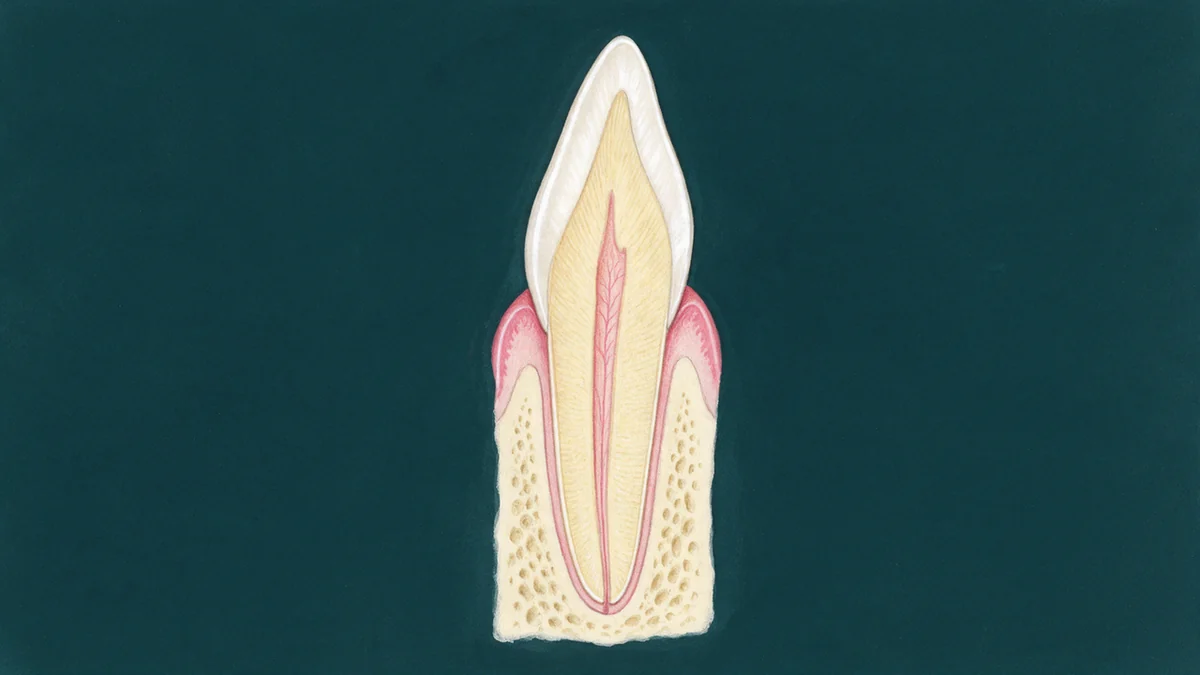
- 1Assessing a darker toothA clinical examination checks the amount of enamel available, alongside X-rays where a tooth's internal colour is relevant.
- 2PreparationA thin layer of enamel is reshaped to make room for the shell, kept to the minimum necessary for your tooth.
- 3Digital scan or impressionA digital scan or impression is taken of the prepared tooth, and the zirconia veneer is made in a dental laboratory.
- 4Try-inThe finished shell is tried in to check the shade, fit and bite before it is bonded.
- 5BondingThe veneer is bonded into place with a dental adhesive cement, and its opacity helps to mask the darker colour underneath.
What Is a Zirconia (Zirconium) Veneer?
A zirconia veneer, sometimes called a zirconium veneer, is a thin ceramic shell that is bonded to the front surface of a tooth to change its shape, colour or alignment. It is milled from zirconia, the same strong, metal-free ceramic used for some dental crowns, rather than from the porcelain or lithium disilicate (E-max) ceramics used for most veneers.
Zirconia is more opaque than other veneer materials, which means it lets less light pass through the shell. That property can be an advantage when a tooth underneath is noticeably darker or heavily stained, because the opacity helps to mask the original colour, but it can also make a zirconia veneer look less naturally translucent than a porcelain or E-max veneer on a tooth that is otherwise a normal shade.
This page explains how a zirconia veneer differs from the other veneer materials Er Dental Clinic offers, who tends to be suited to it and who is usually better matched to an alternative. For an overview of every veneer option, see our dental veneers page.
Zirconia Veneers at a Glance
Material: zirconia ceramic, a strong, metal-free ceramic that is more opaque than porcelain or E-max.
Colour: shade-matched but naturally more opaque, useful for masking a darker tooth underneath rather than blending a normally shaded tooth.
Use: considered less often than porcelain or E-max veneers, and mainly discussed for teeth that are noticeably dark, heavily stained or previously root-treated.
Anaesthesia: when some enamel preparation is needed, it is carried out under local anaesthesia; a zirconia veneer with only minimal preparation may need little or no anaesthetic.
When Might a Zirconia Veneer Be Considered?
A zirconia veneer is occasionally considered when a tooth is significantly darker than its neighbours and porcelain or E-max would not fully mask the underlying colour, for example after root canal treatment, with old antibiotic-related staining, or where a dark filling shows through a thinner ceramic. It may also be discussed for a tooth that has already lost more of its structure than usual, since a slightly thicker zirconia shell can sometimes still be bonded successfully. In most other situations, from surface staining that whitening cannot reach to small chips, gaps or minor misalignment, porcelain, E-max or composite veneers are more commonly recommended, because their higher translucency gives a more natural result. Your dentist reviews your photos and, where available, X-rays before recommending any veneer material for your case.
Who Is a Zirconia Veneer Suitable For?
Teeth that are noticeably darker than their neighbours
The extra opacity of zirconia can help to mask an underlying dark shade that a more translucent veneer would not fully cover.
Teeth that have had root canal treatment
A root-treated tooth can darken over time, and a more opaque veneer material is sometimes discussed for these cases alongside internal whitening.
Patients who have already discussed porcelain or E-max and found the colour still shows through
Where a trial or mock-up shows an underlying colour showing through a more translucent shell, an opaque alternative such as zirconia may be reconsidered.
Less visible teeth where colour blending matters less
Because a natural, highly translucent result matters most on the most visible front teeth, an opaque material is easier to accept on a tooth that shows less when you smile.
Who Is a Zirconia Veneer Not Suitable For?
A zirconia veneer is not usually the first choice for a normally shaded front tooth, since porcelain and E-max veneers are more translucent and give a result that blends more closely with natural enamel. Patients who want the most natural-looking smile, rather than solving a specific dark-tooth problem, are generally better matched to a porcelain veneer for a well-established finish or an E-max veneer for extra translucency; both are explained on our porcelain veneers and E-max veneers pages. Zirconia veneers are also less widely used than these two materials, so your dentist discusses whether the opacity you need can be achieved with a thinner, more common material before zirconia is considered.
Assessment Before a Zirconia Veneer Is Considered
Before you travel. The process starts with a free online consultation. You send recent photos of your smile and, if you have them, X-rays, and our dentists give an initial view on which veneer material is likely to suit your teeth before you book anything.
At the clinic. A clinical examination checks your gum health, the amount of enamel available, your bite and how many teeth show when you smile, alongside X-rays where a tooth's internal colour or root canal history is relevant.
Choosing the material. Where a tooth's colour is the main concern, your dentist compares the options, including whether porcelain, E-max or a more opaque material such as zirconia gives the most natural result for that specific tooth, and explains the trade-offs before you decide together.
How Is a Zirconia Veneer Made and Fitted?
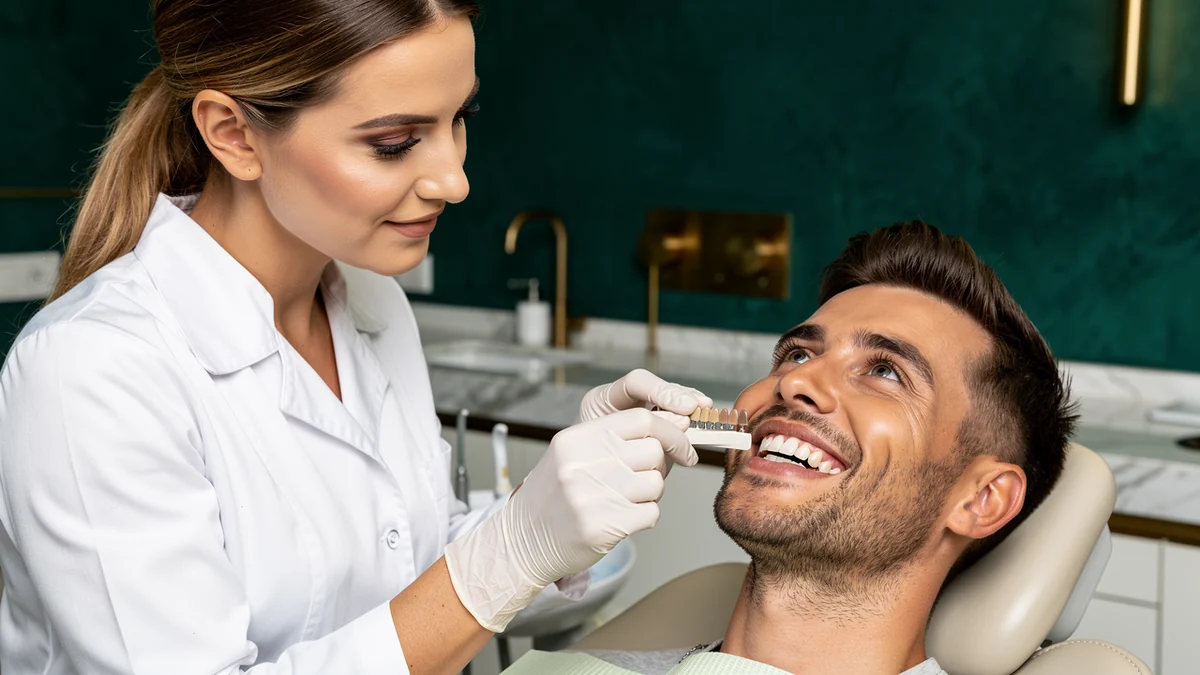
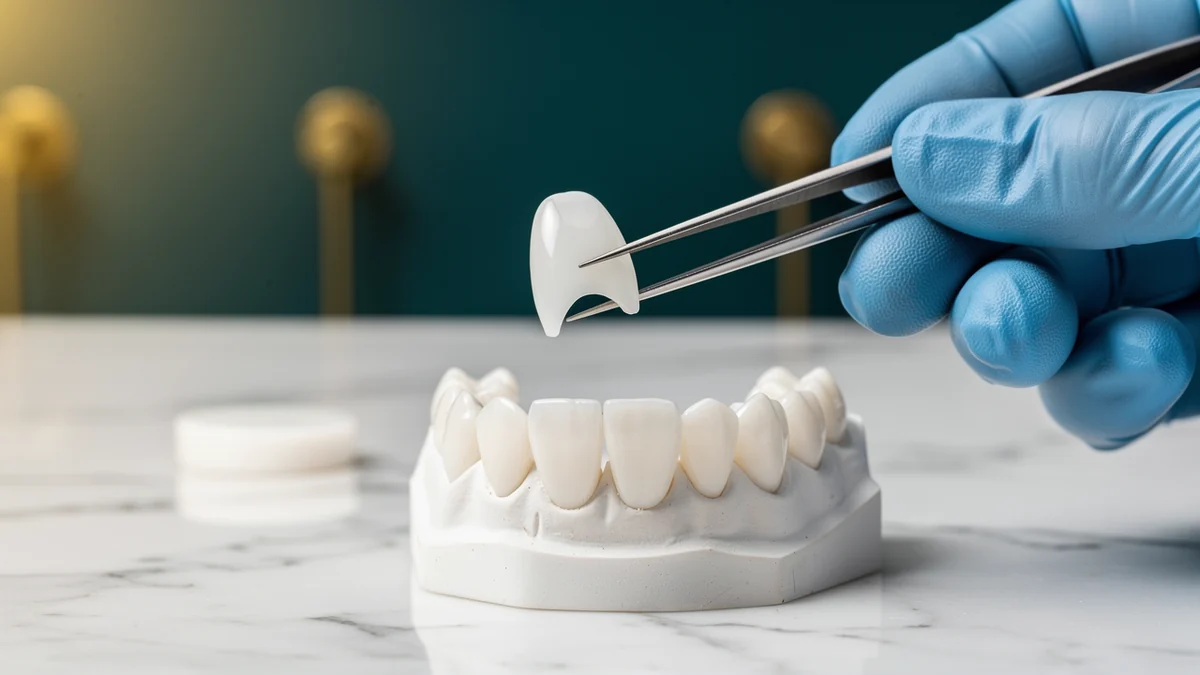
Fitting a zirconia veneer generally begins with a smile design consultation, followed by an assessment of how much of the tooth's enamel needs to be reshaped, known as preparation, to make room for the shell. Because zirconia is thicker and more opaque than porcelain or E-max, more preparation is sometimes needed than for a thinner, more translucent veneer, though your dentist keeps this to the minimum necessary for your tooth.
A digital scan or impression is then taken of the prepared tooth, a temporary veneer may be fitted while the definitive zirconia veneer is made in a dental laboratory, and the finished shell is tried in to check the shade, fit and bite before it is bonded into place with a dental adhesive cement.
Aftercare for a Zirconia Veneer
In the days after bonding
Some mild sensitivity to hot or cold around the treated tooth is common in the first few days and usually settles on its own or with an ordinary painkiller if needed.
Everyday care
Brush and floss the veneer as you would a natural tooth, and clean between it and its neighbours with floss or an interdental brush to keep the bonded edge healthy.
Long term
Keep up regular check-ups so your dentist can review the veneer, the surrounding gum and your bite, and let your dentist know promptly if the veneer ever feels loose, chipped or uneven against your other teeth.
Patient stories
Hear From Our International Patients
Patients from the UK, Romania, France, Ukraine and Russia talk about their treatment at Er Dental Clinic. Each video shows the treatment the patient had.
What to Expect from a Zirconia Veneer
With a well-fitted zirconia veneer, a tooth that was noticeably darker than its neighbours usually blends much more closely with the rest of your smile, and the opacity that made zirconia useful for masking colour is far less noticeable once the veneer is in place and shade-matched to your other teeth. Many veneers last for years with good care; how long any individual veneer lasts depends on the material, your bite, whether you grind your teeth, and how well you keep up your hygiene and check-up routine.
Real patients
Before and After at Er Dental Clinic
Photos of Er Dental Clinic patients. Every case is different, so ask us to see veneer cases similar to yours.
Limitations of Zirconia Veneers
Preparation cannot be undone. Reshaping a tooth for any veneer, including zirconia, removes a layer of the natural tooth structure, and this cannot be reversed once done.
Less translucent than porcelain or E-max. Zirconia's opacity is useful for masking a dark tooth but generally looks less naturally translucent than a porcelain or E-max veneer on a tooth of normal shade, which is why it is used less often.
Colour is fixed once made. A finished zirconia veneer does not change shade if you later whiten your other teeth, so shade is agreed and checked before the veneer is bonded.
Risks and Possible Complications of Zirconia Veneers
Sensitivity
Temperature sensitivity in the treated tooth is common in the first days after preparation and usually settles; persistent sensitivity is checked by your dentist.
Debonding
A veneer can occasionally come loose from the tooth surface, particularly under heavy biting or grinding without protection.
Chipping
While the zirconia core is very strong, a thin bonded edge can chip if it is put under unusual pressure, such as biting a hard object.
Colour mismatch
Because zirconia is more opaque, matching its shade to the surrounding teeth needs extra care, and a mismatch is corrected by your dentist during the try-in stage rather than after bonding.
Gum irritation
The gum around a new veneer can be mildly irritated for a short time while it settles, and usually improves with normal brushing and flossing.
Your dentist explains the risks that apply to your specific tooth, based on your photos and, where relevant, X-rays, before you give your consent.
How We Assess Zirconia Veneers at Er Dental Clinic
Veneer treatment at Er Dental Clinic, including whether a more opaque material such as zirconia is appropriate, is assessed and planned by Dt. Vijdan Aslanoglu, alongside our other general dentists. The material recommended for your tooth is confirmed from your photos, your bite and, where relevant, your X-rays, and your written treatment plan states which veneer material is proposed and why. Meet the full team on our dentists in Istanbul page. The clinic holds an International Health Tourism Authorisation Certificate issued by the Republic of Turkiye Ministry of Health (certificate no. ST-6264), which you can check on the e-Devlet document verification service at turkiye.gov.tr/saglik-bakanligi-ebys.
Alternatives to a Zirconia Veneer
Because zirconia is more opaque and less widely used than other veneer materials, most patients are matched to an alternative unless a dark tooth genuinely needs the extra coverage it provides. A porcelain veneer, also called a laminate veneer, is the most established option and suits most normally shaded teeth, while an E-max veneer gives extra translucency for teeth where a very natural, light-reflecting result matters most. A composite veneer can be a lower-preparation option for smaller changes, a no-prep veneer such as Lumineers may suit teeth that need very little reshaping, and an Empress veneer is a pressed-ceramic alternative for front teeth where appearance is the priority. Where a tooth's colour rather than its shape is the main concern, whitening is often considered before any veneer is planned. If you are still deciding between materials, our which dental veneers is right for me page compares them side by side.
Zirconia Veneers: Frequently Asked Questions
What is a zirconia veneer?
A zirconia veneer, also called a zirconium veneer, is a ceramic shell bonded to the front of a tooth to change its shape, colour or alignment. It is more opaque than porcelain or E-max veneers, which is useful for masking a darker tooth underneath.
How long do zirconia veneers last?
Many veneers last for years with good care, and crowns, bridges and veneers at Er Dental Clinic are covered by a 5-year warranty, provided you keep to the recommended hygiene and check-up schedule. Lifespan depends on the material, your bite, whether you grind your teeth, and your hygiene routine.
Are zirconia veneers stronger than porcelain veneers?
Zirconia is generally considered a very strong dental ceramic, but the main reason it is chosen for a veneer is usually its opacity rather than extra strength, since a well-made porcelain veneer is also strong enough for normal biting forces. Your dentist recommends the material based on your tooth's colour, position and the result you want.
Who are zirconia veneers suited to?
Zirconia veneers are mainly discussed for teeth that are noticeably darker than their neighbours, for example after root canal treatment or old staining, where a more translucent material would not fully mask the underlying colour. Most other patients are better matched to a porcelain or E-max veneer.
How much do zirconia veneers cost in Turkey?
Zirconia veneers are assessed individually and quoted after your photos and, where relevant, X-rays are reviewed, since they are used less often than porcelain or E-max veneers. You can see the pricing for our most common veneers and packages on our full price list, or ask us directly on WhatsApp for a personalised quote.
Can a zirconia veneer be removed or replaced?
Once bonded, a zirconia veneer is not designed to be removed without professional help, and taking it off usually means replacing it with a new veneer or another restoration, since some of the natural tooth enamel has already been reshaped. If a veneer ever feels loose, chipped or uneven, your dentist checks it at a follow-up visit.
Related Veneer Options
Zirconia is one of several veneer materials offered at Er Dental Clinic. The pages below cover the other options and related decisions in detail.
Dental Veneers in Turkey
An overview of every veneer material we offer and how veneers work.
Explore dental veneersPorcelain Veneers
The most established veneer material, also known as laminate veneers.
Explore porcelain veneersE-max Veneers
Thin, translucent lithium disilicate ceramic veneers.
Explore E-max veneersComposite Veneers
A lower-preparation resin veneer, often fitted directly in the mouth.
Explore composite veneersLumineers and No-Prep Veneers
Ultra-thin veneers that need little or no tooth preparation.
Explore no-prep veneersEmpress Veneers
Pressed-ceramic veneers, often chosen for front teeth appearance.
Explore Empress veneersWhich Dental Veneers Are Right for Me?
How dentists weigh tooth colour, position and budget when choosing a veneer.
Compare veneer typesOur Dentists in Istanbul
Meet the dentists who assess and plan veneer treatment at Er Dental Clinic.
Meet our dentistsZirconia Compared with E-max Veneers
Zirconia and E-max are the two ceramic veneer materials discussed most often when a tooth's translucency or opacity is the deciding factor, and each suits a different situation. The comparison below sets out straightforward, non-controversial differences between them; your dentist weighs these against your own tooth colour and the result you want.
How Do Zirconia and E-max Veneers Compare?
Read this diagram as text
| Criterion | Zirconia | E-max |
|---|---|---|
| More opaque material | ✓ Yes | ✗ No |
| Lets more light pass through | ✗ No | ✓ Yes |
| More widely used for veneers | ✗ No | ✓ Yes |
Returning to Daily Life After a Zirconia Veneer
Most patients return to normal eating and speaking within a day or two of a temporary veneer being fitted, if one is used, and there is usually no need to take time off work or daily activities during either visit. Some mild sensitivity around the treated tooth is common in the first few days and settles on its own or with an ordinary painkiller if needed. Once the definitive zirconia veneer is bonded in place, it is treated like a natural tooth for eating and cleaning, and your dentist explains when it is safe to fly home.
References
Ask About Zirconia Veneers in Istanbul
Send us your photos for a free online consultation. Our dentists will give an initial view on whether zirconia or another veneer material suits your tooth and reply with a written treatment plan and a clear quote, so you can compare your options before you decide to travel. You can also contact us directly with any questions.
Find the Right Path for You
There are many different conditions and options in this area — browse by topic below, or answer a few questions to see the step closest to your situation.
Explore by Topic
The Basics
2 pagesDecision Support
1 page
Dentistry · Esenyurt, İstanbul
Why Er Dental Clinic?
Related Pages
Empress Veneers: Pressed Ceramic Veneers Explained
Er Dental Clinic: Meet the Dentists Who Plan and Carry Out Your Treatment
Free Online Dental Consultation: Send Your Photos and X-Rays for a Written Plan
Dt. Vijdan Aslanoğlu – Dentist at Er Dental Clinic, Istanbul
How Much Are Turkey Teeth? Treatment Prices at Er Dental Clinic, Istanbul
Contact Er Dental Clinic
Your treatment plan · 3 short steps
Get your personal veneer plan
Answer a few quick questions — it takes about a minute. Our dentists review your answers and reply with a written treatment plan and a clear price for your case, before you decide anything.
- Your treatmentWhat are you looking for?
- Your timingX-ray, dates and how we reply
- Your detailsSo we can send your plan
What you receive
- A written treatment plan prepared by our dentists
- A clear price for your case before you travel
- No obligation — ask every question first



Your answers are reviewed by our dentist teamErtan Omerov · Enes Yol · Ahmet Mustafa Zeren · Vijdan Aslanoğlu