
Tooth Decay (Cavities): Causes, Stages and Treatment at Each Stage
Tooth decay starts as a white spot and can progress to a cavity, infection or abscess if left untreated. See the stages and treatment options in Istanbul.
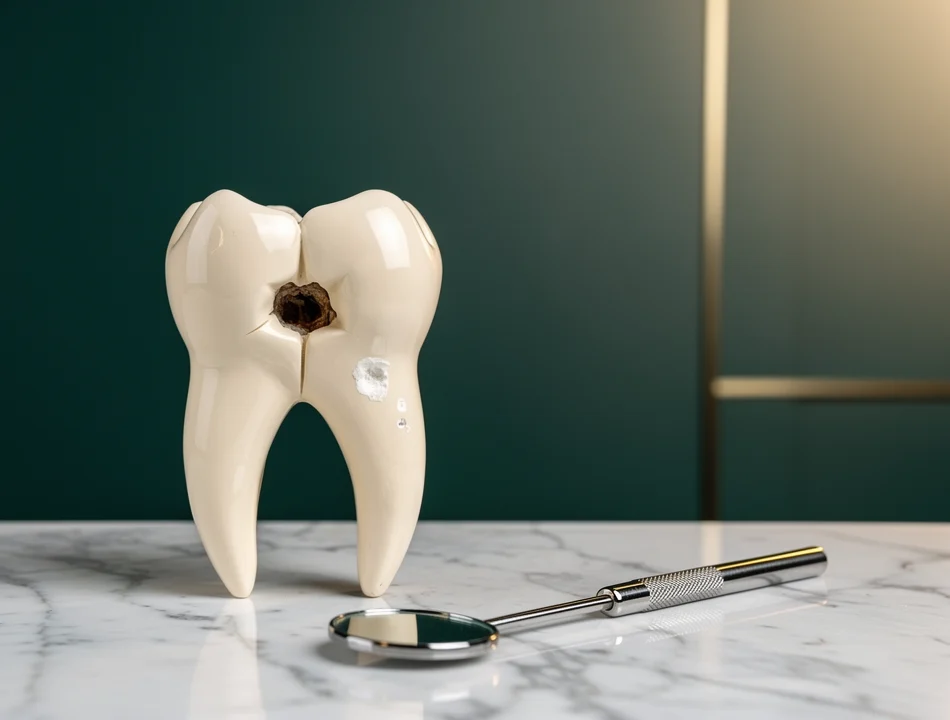
Tooth decay is damage to a tooth caused by acid from plaque bacteria, starting as a white spot and, if untreated, progressing to a cavity, then the dentine and pulp, and eventually an abscess. Treatment depends on the stage: fluoride for early decay, a filling for a small cavity, and root canal treatment once the nerve is involved.
Written by Er Dental Clinic
At a glance
How Tooth Decay Progresses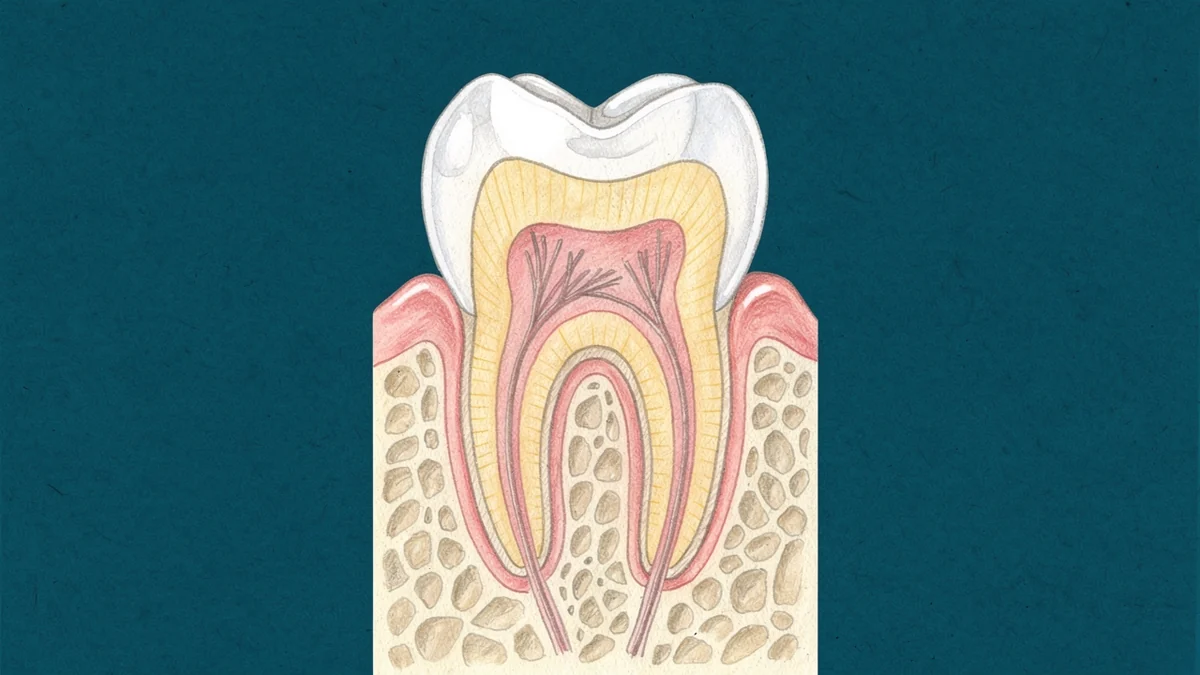
- 1A white spot on the enamelIn its earliest form, decay shows up as a white spot, with the enamel surface still intact.
- 2A cavity formsIf the acid attacks continue, the weakened enamel eventually breaks down into a cavity.
- 3It spreads through the dentineThe decay can then spread more quickly through the softer dentine underneath, which is more sensitive to hot, cold and sweet stimuli than enamel.
- 4It reaches the pulpLeft untreated, decay can reach the pulp, the nerve and blood vessels at the centre of the tooth, causing pain and inflammation.
- 5An abscess at the root tipEventually, untreated decay can lead to an abscess at the root tip.
What Is Tooth Decay?
Tooth decay (also called dental caries or a cavity) happens when acid produced by plaque bacteria gradually breaks down the hard outer layer of a tooth. It usually starts as a small white or brown spot on the enamel, long before a hole is visible, and the same disease process is what eventually leads to a cavity, a toothache or, in the late stages, an abscess. Because decay does not always cause pain in its early stages, it is often first noticed at a routine check-up or on an X-ray rather than by the person themselves. What matters most is which stage the decay has reached, because that decides whether fluoride, a filling, an inlay or onlay, root canal treatment, or extraction is the right next step.
Tooth Decay at a Glance
Tooth decay is one of the most common dental problems, and it develops gradually rather than overnight. Frequent sugary or acidic food and drink, a dry mouth, and areas that are hard to keep clean (such as around old fillings or exposed root surfaces) all increase the risk. Early decay, limited to a white spot on the enamel, can sometimes be stopped or even reversed with fluoride and better hygiene, without any drilling. Once a cavity has formed, it does not heal on its own, and the treatment needed becomes more involved the deeper the decay has spread.
How Tooth Decay Develops
Plaque is a soft, sticky film of bacteria that forms on teeth throughout the day. When these bacteria break down sugars from food and drink, they produce acid, and repeated acid attacks gradually dissolve minerals out of the enamel, a process called demineralisation. In its earliest form this shows up as a white spot, with the enamel surface still intact. If the acid attacks continue, the weakened enamel eventually breaks down into a cavity, and the decay can then spread more quickly through the softer dentine underneath, which is more sensitive to hot, cold and sweet stimuli than enamel. Left untreated, decay can reach the pulp (the nerve and blood vessels at the centre of the tooth), causing pain and inflammation, and can eventually lead to an abscess at the root tip. Each of these stages tends to call for a different treatment, which is why an examination and, where needed, an X-ray are used to confirm exactly how far the decay has progressed before any treatment is planned.
Signs and Symptoms of Tooth Decay
Tooth decay does not always cause noticeable symptoms, especially in its earlier stages, which is one reason regular check-ups and X-rays matter:
No symptoms at all
Early decay, and even some established cavities, can pass unnoticed and only picked up on examination or X-ray.
White or brown spots on the tooth surface
White or brown spots on the tooth surface, which can be an early sign of demineralisation before a cavity has formed.
Sensitivity to sweet, hot or cold food and drink
Sensitivity to sweet, hot or cold food and drink that comes and goes as decay reaches the dentine.
A visible hole or dark area
A visible hole or dark area on the tooth, sometimes with food regularly catching in it.
Pain when biting down
Pain when biting down, which can suggest decay has reached deeper layers of the tooth.
Bad breath or an unpleasant taste
Bad breath or an unpleasant taste, and in later stages, swelling of the gum near the tooth, which can point to an abscess.
If you notice any of these signs, a free online consultation is a simple way to get an initial view — send a photo or an X-ray if you have one, and our dentists reply with an assessment before you travel.
What Causes Tooth Decay?
Tooth decay develops from a combination of bacteria, sugar and time, but several factors make it more likely:
Plaque bacteria and sugar
Bacteria in plaque convert sugars from food and drink into acid, and the more often this happens during the day, the more chances the enamel has to demineralise.
Frequent snacking and acidic drinks
Grazing throughout the day, or drinking acidic or sugary drinks slowly over a long period, keeps the mouth acidic for longer than eating the same food in one sitting.
A dry mouth
Saliva helps neutralise acid and wash away food debris, so a reduced flow of saliva, from certain medicines or medical conditions, raises the risk of decay.
Exposed root surfaces
Where gum recession has exposed the root of a tooth, the surface there is softer than enamel and decays more easily.
Old fillings and hard-to-clean areas
The edges of an old filling, crowded teeth, or areas that are difficult to reach with a toothbrush and floss can trap plaque and become a starting point for new decay.
Several of these factors can act together — for example, a dry mouth combined with frequent sugary drinks tends to accelerate decay faster than either factor alone.

When Should You See a Dentist About Tooth Decay?
A white spot without any sensitivity can usually wait for your next routine check-up, since it may be managed with fluoride and better hygiene rather than a filling. See a dentist sooner if you notice a visible hole, ongoing sensitivity to hot, cold or sweet food, or pain when biting down, since these can point to decay that has already reached the dentine or deeper. Swelling of the gum, a persistent throbbing pain, or a fever should be assessed urgently, as these can be signs that an infection has spread from the tooth into the surrounding tissue.
How Is Tooth Decay Diagnosed?
Diagnosis starts with a clinical examination, where the dentist looks at each tooth surface under good light and checks for soft or discoloured areas with a probe. Because decay between teeth or underneath an existing filling is not always visible to the eye, a bitewing or panoramic X-ray is often used to confirm how far it has spread and whether it has reached the dentine, the pulp or the root tip — read more about our panoramic X-ray. Vitality tests, which check how the nerve inside the tooth responds, may also be used where decay is suspected to have reached the pulp.
Our process starts with a free online consultation: send clear photos of the tooth and, if you have one, an existing X-ray, and our dentists, led by Dt. Vijdan Aslanoğlu, reply with an initial assessment before you book anything.

Does Tooth Decay Need Treatment?
An early white spot, without a cavity, can sometimes be stopped or even reversed with fluoride and improved hygiene, so it does not always need drilling straight away. Once a cavity has formed, however, it does not heal on its own, and leaving it tends to make the eventual treatment more involved rather than avoiding it altogether. Untreated decay generally spreads deeper into the tooth over time, moving from a small filling towards an inlay, onlay or crown, and eventually towards root canal treatment or, in advanced cases, extraction. Assessing decay early keeps more of the simpler, less invasive options open.
Treatment Options for Tooth Decay, by Stage
The right treatment for tooth decay depends mainly on how far it has progressed:
Early white-spot decay
Professional fluoride treatment, combined with better hygiene and diet, may help remineralise the enamel before a cavity forms.
A small cavity
A tooth-coloured filling removes the decayed tissue and restores the tooth, usually in a single visit.
A larger cavity
Where more of the tooth structure is affected, an inlay or onlay can restore the tooth without covering it completely.
Decay reaching the pulp
Once decay has infected the nerve, root canal treatment removes the affected tissue to save the tooth, usually followed by a filling, onlay or crown.
A tooth that cannot be saved
If decay has destroyed too much of the tooth or infection has spread beyond what root canal treatment can resolve, extraction is discussed as a last resort.
Prevention alongside treatment
Dental sealants on decay-free grooves and regular fluoride help reduce the chance of new decay starting elsewhere in the mouth.
A dentist confirms which of these applies to your tooth after an examination and, where needed, an X-ray.

Tooth Decay: Frequently Asked Questions
What causes tooth decay?
Tooth decay is caused by acid produced when bacteria in plaque break down sugars from food and drink, which gradually dissolves minerals out of the enamel. Frequent sugary or acidic food and drink, a dry mouth, exposed root surfaces and hard-to-clean areas around old fillings all increase the risk.
What are the stages of tooth decay?
Tooth decay typically progresses from a white spot on the enamel, to a cavity in the enamel, to decay reaching the dentine underneath, then the pulp (nerve), and in advanced cases an abscess at the root tip. Treatment is different at each stage, from fluoride for a white spot to root canal treatment once the pulp is involved.
Can tooth decay be reversed?
Yes, but only at the earliest stage. A white spot on the enamel, before a cavity has formed, can sometimes be remineralised with fluoride and improved hygiene. Once a cavity has developed, the tooth structure that has been lost does not grow back, and a filling or similar restoration is needed.
Does a cavity always hurt?
No. Many cavities, especially in the earlier stages, are symptom-free and are only found at a check-up or on an X-ray. Discomfort tends to appear once decay has reached the more sensitive dentine or the nerve, which is one reason regular examinations matter even without symptoms.
How is tooth decay treated at each stage?
Early white-spot decay is often managed with fluoride and better hygiene, a small cavity is usually treated with a filling, and a larger cavity may need an inlay or onlay. Once decay reaches the pulp, root canal treatment is used to save the tooth, and extraction is only considered where a tooth cannot realistically be restored.
Can decay spread to other teeth?
Tooth decay itself does not spread from tooth to tooth the way an infection spreads between people, but the same risk factors, such as diet and hygiene, affect all your teeth, and decay commonly develops on the touching surfaces between adjacent teeth. This is why a dentist checks the whole mouth, not just the tooth that is causing symptoms.
How can I prevent cavities?
Brushing twice daily with a fluoride toothpaste, cleaning between your teeth, and reducing how often you have sugary or acidic food and drink all help prevent new decay. Regular check-ups, and preventive measures such as professional fluoride treatment or sealants on decay-free grooves, can add further protection, especially if you are at higher risk.
Related Prevention and Treatment
Preventing new decay and treating an existing cavity both sit within general dentistry, alongside the X-rays used to assess it.
General Dentistry
Check-ups, fillings, root canal treatment and prevention in one place.
Explore general dentistryDental Sealants
A protective coating for the grooves of back teeth, used to help prevent new decay.
Explore dental sealantsFluoride Treatment
Professional fluoride varnish that can help strengthen enamel and support early decay.
Explore fluoride treatmentPanoramic Dental X-Ray
How a panoramic X-ray helps show decay that is not visible on examination alone.
Explore panoramic X-rayThe Stages of Tooth Decay
Tooth decay progresses through recognisable stages, and the treatment that is likely to be considered changes at each one. This is a simplified illustration — your dentist confirms the actual stage with an examination and, where needed, an X-ray.
Stages of tooth decay, from the enamel surface to the root tip
Read this diagram as text
- Enamel
- A white spot — fluoride may help
- Enamel cavity
- A small filling is usually considered
- Dentine
- A filling, inlay or onlay is usually considered
- Pulp
- Root canal treatment is usually considered
- Root tip
- An abscess has formed — root canal treatment or extraction is usually considered
Which Treatment Fits Which Stage of Decay?
As a general pattern, whether there is an actual hole in the tooth, whether the nerve has been affected, and whether the tooth can still be restored all guide which treatment is likely to be considered. The illustration below sets out this decision path in a simplified way; your dentist confirms the right treatment for your tooth after an examination and, where needed, an X-ray.
Tooth decay: which treatment is usually considered?
Read this diagram as text
- Is there a hole (cavity) in the tooth?
- Yes: Has decay reached the nerve (pulp)?
- Yes: Can the tooth be restored?
- Yes: Your dentist assesses root canal treatment
- No: Extraction is discussed
- No: Your dentist assesses a filling, inlay or onlay
- Yes: Can the tooth be restored?
- No: Your dentist assesses fluoride and prevention
- Yes: Has decay reached the nerve (pulp)?
Comparing Treatment Paths for Decay
Two decisions come up often as decay is assessed: whether a filling or an inlay/onlay suits a cavity better, and whether a badly decayed tooth is better saved with root canal treatment or removed and replaced. Both decisions depend on how much healthy tooth structure remains, which your dentist checks at your examination.
Tooth Fillings
A tooth-coloured filling for a small to medium cavity, usually completed in a single visit.
Read about tooth fillingsInlay & Onlay Restorations
A lab-made repair for a larger cavity that leaves the tooth's cusps intact.
Read about inlays and onlaysRoot Canal Treatment
Removes infected tissue from the pulp to save a tooth that decay has reached the nerve of.
Read about root canal treatmentTooth Extraction
Considered only when a tooth is too badly decayed or infected to be saved.
Read about tooth extractionHow We Assess Tooth Decay at Er Dental Clinic
At Er Dental Clinic, tooth decay is assessed by Dt. Vijdan Aslanoğlu and our general dentistry team. The process starts with a free online consultation: send a photo of the tooth, and an existing X-ray if you have one, and you receive an initial assessment before travelling. At the clinic, a clinical examination and, where needed, a panoramic or other X-ray confirm exactly how far the decay has progressed, and the proposed treatment, materials and cost are set out in writing before anything begins.
The clinic holds an International Health Tourism Authorization Certificate issued by the Republic of Türkiye Ministry of Health (certificate no. ST-6264), which you can verify on the e-Devlet document verification service at turkiye.gov.tr/saglik-bakanligi-ebys. You can also contact our clinic in Istanbul directly with any questions.
References
- Tooth Decay — NHS, 2026
- Cavities — American Dental Association (MouthHealthy), 2026
- Oral Health — World Health Organization, 2026
Get Your Tooth Assessed
Send us a photo of the tooth, or an X-ray if you have one, on WhatsApp or through a free online consultation. Our dentists review it and reply with an initial assessment of the stage the decay has reached and the treatment options that may apply, so you can decide with confidence before booking anything.
Find the Right Path for You
There are many different conditions and options in this area — browse by topic below, or answer a few questions to see the step closest to your situation.
Explore by Topic
The Basics
2 pagesDiagnosis & Methods
2 pages
Dentistry · Esenyurt, İstanbul
Why Er Dental Clinic?
Related Pages
General Dentistry in Turkey: Check-Ups, Fillings, Root Canals and More
Tooth Fillings in Turkey: White Composite Fillings and Amalgam Replacement
Dental (Fissure) Sealants: Protecting the Grooves of Back Teeth
Dt. Vijdan Aslanoğlu – Dentist at Er Dental Clinic, Istanbul
Contact Er Dental Clinic
How Much Are Turkey Teeth? Treatment Prices at Er Dental Clinic, Istanbul
Dental Crowns in Turkey: Zirconia, E-max and Porcelain Options
Your treatment plan · 3 short steps
Get your personal treatment plan
Answer a few quick questions — it takes about a minute. Our dentists review your answers and reply with a written treatment plan and a clear price for your case, before you decide anything.
- Your treatmentWhat are you looking for?
- Your timingX-ray, dates and how we reply
- Your detailsSo we can send your plan
What you receive
- A written treatment plan prepared by our dentists
- A clear price for your case before you travel
- No obligation — ask every question first



Your answers are reviewed by our dentist teamErtan Omerov · Enes Yol · Ahmet Mustafa Zeren · Vijdan Aslanoğlu