
Zygomatic Implants in Turkey: An Option for Severe Upper Jaw Bone Loss
Zygomatic implants anchor in the cheekbone for severe upper jaw bone loss, often avoiding extensive grafting. Planned on CBCT in Istanbul. Check your suitability.
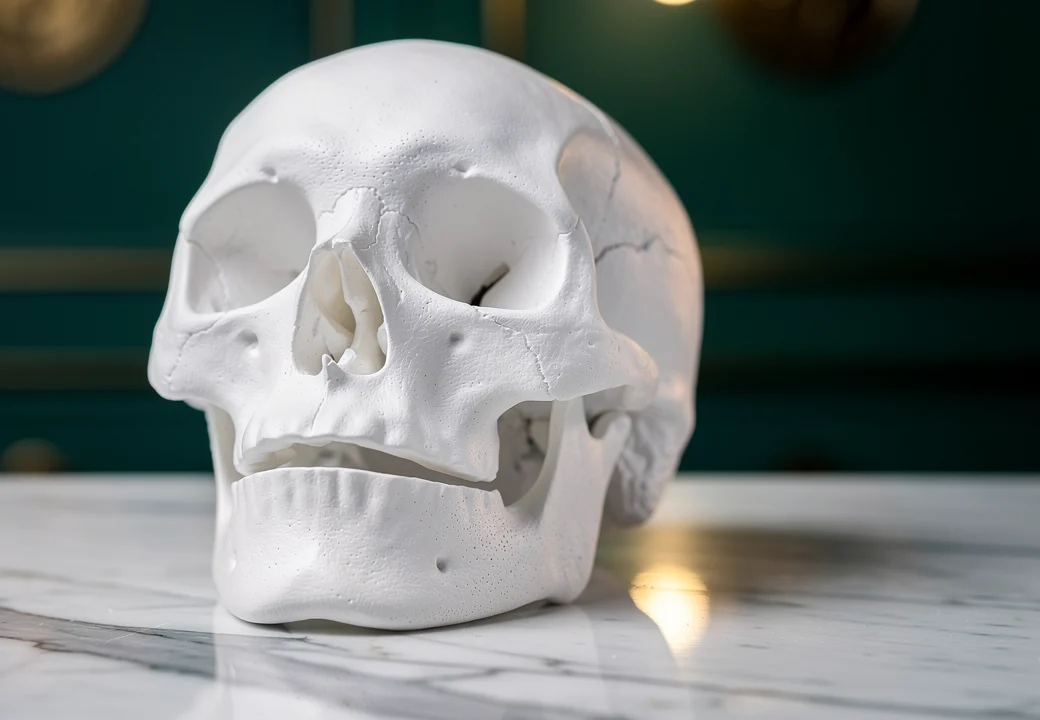
Zygomatic implants are longer dental implants anchored in the cheekbone (zygoma) rather than the upper jawbone, used only in the upper jaw when there is not enough bone for conventional implants. At Er Dental Clinic in Istanbul, Turkey, they are planned on a CBCT scan and can sometimes avoid extensive bone grafting.
Written by Er Dental Clinic
Treatment at a glance
Zygomatic Implants, Step by Step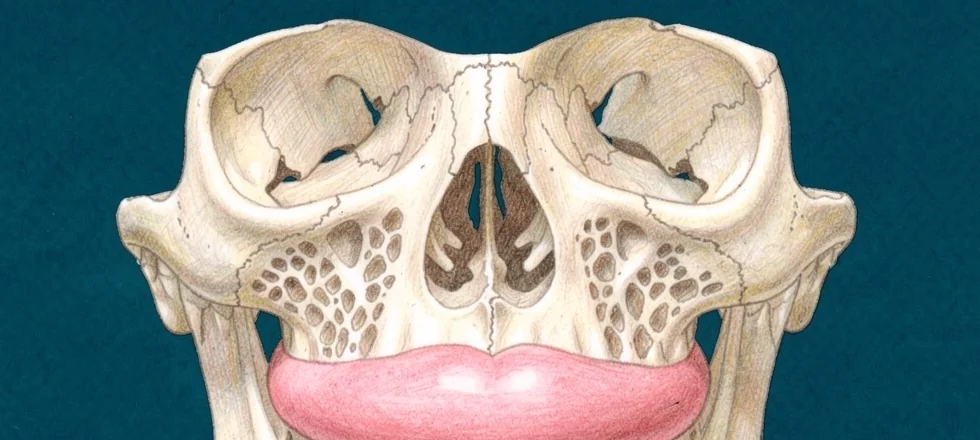
- 1CBCT assessmentThe cheekbone and remaining jawbone are measured to confirm a safe implant path.
- 2Implant placementThe zygomatic implant is placed into the cheekbone, usually alongside standard implants at the front of the jaw.
- 3Fixed temporary teethWhere the implants are stable, a temporary fixed tooth or arch can be attached while healing continues.
- 4Final teethOnce healing is confirmed, the final fixed restoration is fitted.
What Are Zygomatic Implants?
A zygomatic implant is a longer dental implant that anchors in the cheekbone (the zygomatic bone) rather than in the upper jawbone. It is used only in the upper jaw. In a conventional implant, the fixture is placed straight down into the jaw and relies entirely on that bone for support. Where the upper jaw has lost most of its height and width, there may simply not be enough bone left to hold a conventional implant securely.
The cheekbone sits above and behind the upper jaw and is generally dense and stable, even after the jawbone itself has resorbed. A zygomatic implant is angled from the gum, through or alongside the remaining jawbone, into the cheekbone, where it gains its primary anchorage. Because it does not depend on the height of the upper jaw, it can sometimes provide a fixed solution where bone grafting would otherwise be extensive, or where grafting has already failed.
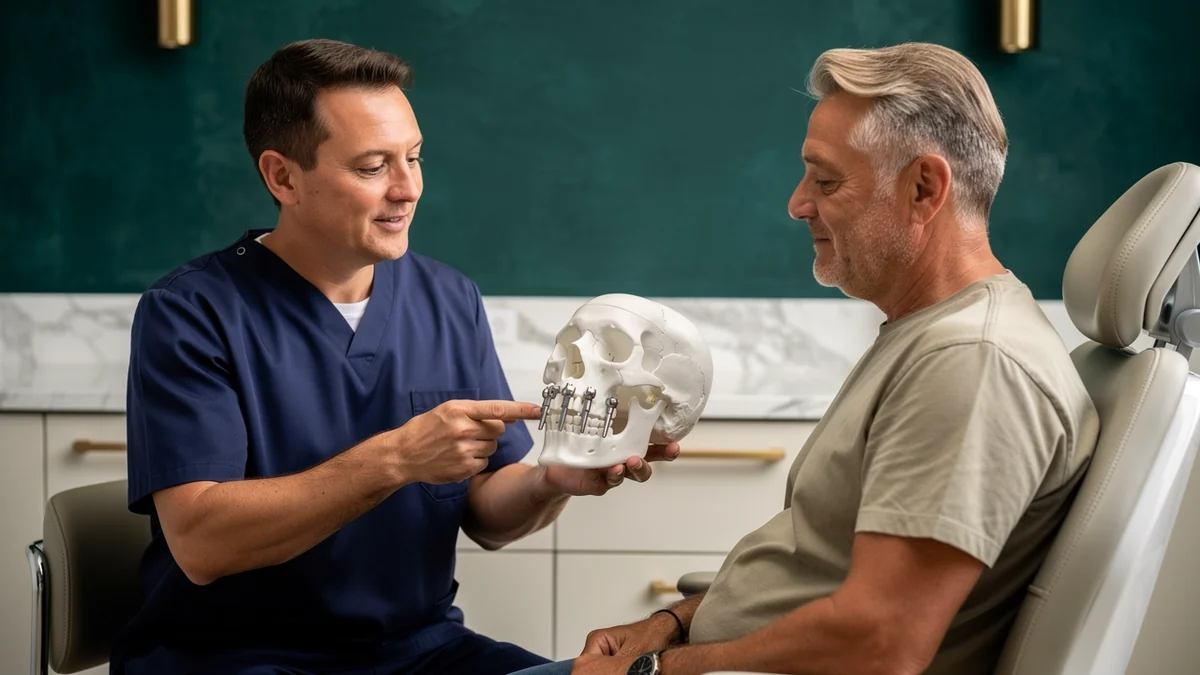
Zygomatic implants are usually combined with two to four standard implants placed in any remaining healthy bone at the front of the jaw, and together they support a fixed full-arch prosthesis. They are a specific answer to a specific problem — severe upper jaw bone loss — not a routine alternative to conventional implants.
Real patients
Before and After at Er Dental Clinic
Photos of Er Dental Clinic patients. Every case is different — ask us to see cases similar to yours.
How Zygomatic Implants Fit into Full-Arch Treatment
Zygomatic implants are one of the options considered when planning full-arch treatment for the upper jaw. They sit alongside All-on-4, All-on-6 and bone grafting as ways of reaching a fixed result, and the choice between them depends on how much bone is available on the CBCT scan.
When enough bone remains, All-on-4 or All-on-6 in the upper jaw is usually the more conservative option. When bone loss is severe and grafting would mean a long course of treatment with an uncertain outcome, zygomatic implants become a way to reach a fixed arch more directly. They are not used in the lower jaw, where guided bone regeneration is the usual route if bone is insufficient.
Who Are Zygomatic Implants Suitable For?
Zygomatic implants are considered for a specific group of patients, not for most people who need implants. Your dentist reviews your CBCT scan and history before recommending them:
Severe upper jaw bone loss
Severe upper jaw bone loss, usually after teeth have been missing for a long time or after previous denture wear.
A sinus lift or bone grafting has already failed
A sinus lift or bone grafting has already failed, or would need to be extensive and repeated before conventional implants could be placed.
A wish to avoid a long grafting and healing process
A wish to avoid a long grafting and healing process before a fixed arch can be fitted, where the anatomy allows it.
All teeth missing or failing in the upper jaw
All teeth missing or failing in the upper jaw, since zygomatic implants are placed as part of a full-arch plan, not for a single tooth.
Zygomatic implants are not offered in the lower jaw, and they are not usually the first option suggested — your dentist explains why a conventional implant, grafting or a zygomatic approach fits your specific scan.
Patient stories
Hear From Our International Patients
Patients from the UK, Romania, France, Ukraine and Russia talk about their treatment at Er Dental Clinic.
How Zygomatic Implant Surgery Is Planned and Carried Out
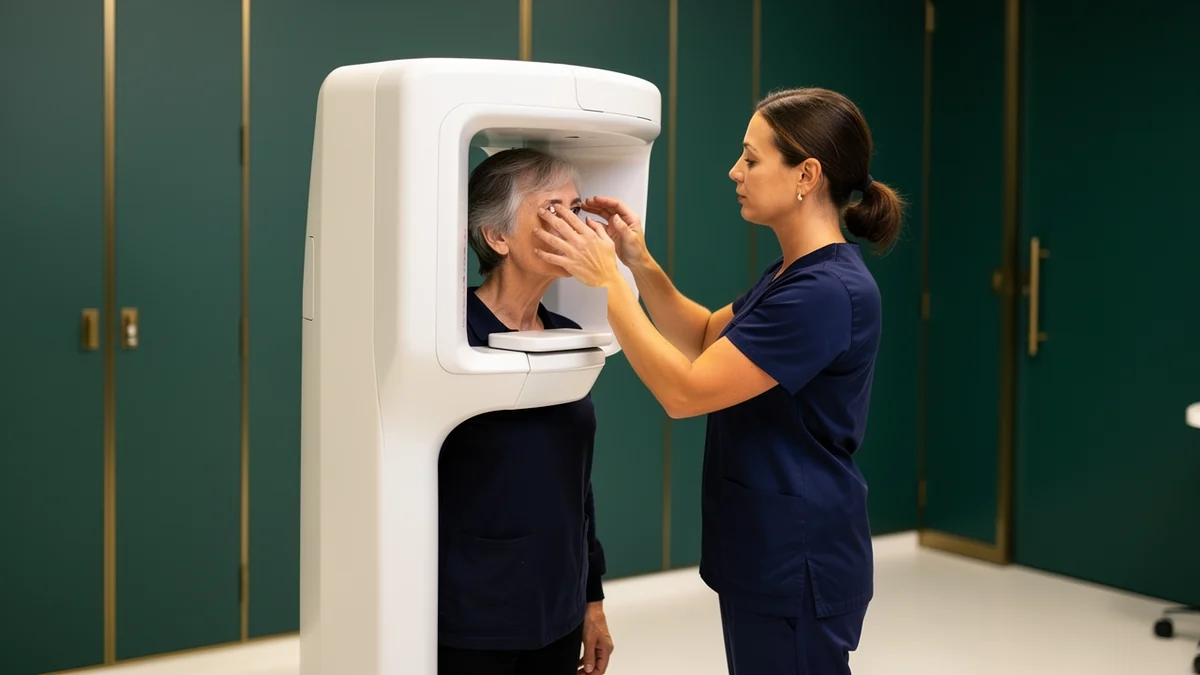
Because the cheekbone lies close to the sinus, the eye socket and the nerves in that area, zygomatic implant surgery is planned from detailed 3D imaging rather than estimated from a standard X-ray. A CBCT scan measures the shape and density of the cheekbone and confirms the safe angle and length for each implant before surgery.
During surgery, the implant is placed under anaesthesia through the upper gum and jaw, following the planned path into the cheekbone. Depending on how much healthy bone remains at the front of the jaw, two to four standard implants are usually placed alongside the zygomatic implants to support the front of the arch. In many cases, a fixed temporary set of teeth can be attached once the implants are stable, with the final restoration made once healing is confirmed.
The final plan — the number of zygomatic and standard implants, and whether temporary teeth are fitted at the same visit — is confirmed after your CBCT scan, not before.
How is a zygomatic implant treatment planned and carried out?
Read this diagram as text
- CBCT assessment: The cheekbone and remaining jawbone are measured to confirm a safe implant path.
- Implant placement: The zygomatic implant is placed into the cheekbone, usually alongside standard implants at the front of the jaw.
- Fixed temporary teeth: Where the implants are stable, a temporary fixed tooth or arch can be attached while healing continues.
- Final teeth: Once healing is confirmed, the final fixed restoration is fitted.
Advantages and Limitations of Zygomatic Implants
Advantage: less dependence on jawbone volume
Because the implant anchors in the cheekbone, it can succeed where the upper jawbone alone would not hold a conventional implant.
Advantage: may avoid extensive grafting
In suitable cases, a zygomatic approach can reach a fixed result without the repeated grafting and long healing stages that severe bone loss might otherwise require.
Advantage: fixed teeth can sometimes follow sooner
Where the implants are stable, temporary fixed teeth may be attached without waiting for a graft to fully heal first.
Limitation: upper jaw only
Zygomatic implants are not used in the lower jaw.
Limitation: a more complex surgical technique
The proximity of the sinus and surrounding structures means the procedure needs careful 3D planning and is usually carried out by a surgeon experienced with the technique.
Limitation: not the first choice for most patients
Where conventional implants or a smaller graft would work, they are generally preferred; zygomatic implants are reserved for cases where they would not.
Recovery After Zygomatic Implant Surgery
Swelling, bruising and some tenderness around the cheek and upper lip are common for the first several days after zygomatic implant surgery, usually more noticeable than after a conventional implant because more tissue is involved. Ordinary painkillers and cold compresses are typically used to manage this, and your dentist gives you specific instructions for your case.
For the first days, soft foods and avoiding pressure on the treated area are advised, and smoking should be avoided, as it slows healing. If fixed temporary teeth are attached at the time of surgery, you are shown how to keep them and the surgical sites clean. Healing before the final restoration takes a period of months and depends on how your implants integrate, which is checked at follow-up. Written aftercare instructions are provided before you leave Istanbul, and we stay in touch for remote follow-up once you are home.
Risks of Zygomatic Implants
Zygomatic implant surgery is more involved than a conventional implant and carries its own risks, which your dentist explains for your specific case before you consent:
Sinus involvement
The implant path runs close to or through the maxillary sinus; sinus irritation or infection is a recognised risk.
Nerve or soft-tissue irritation
Nerve or soft-tissue irritation around the cheek, from swelling or from the surgical approach itself.
Infection
Infection at the implant site, usually managed with cleaning and antibiotics.
Failure to integrate
As with any implant, the bone may not bond fully with a zygomatic implant; this is uncommon but possible, and is monitored at follow-up.
Mechanical issues
Mechanical issues with the temporary or final prosthesis, such as a loose screw, which can usually be repaired.
Because the anatomy involved is more complex than a standard implant site, careful CBCT planning and an experienced surgeon are used to reduce these risks, but they cannot be removed entirely.
Alternatives to Zygomatic Implants
Zygomatic implants are one route to a fixed upper arch when bone loss is severe, but they are not the only one. Your dentist compares these options against your CBCT scan before recommending a plan.
Sinus Lift
Raises the floor of the sinus to rebuild bone in the upper back jaw, allowing conventional implants where a moderate amount of bone is missing.
Read about sinus lift surgeryGuided Bone Regeneration
Grafts and rebuilds jawbone under a protective membrane before conventional implants are placed.
Read about guided bone regenerationAll-on-4 Dental Implants
A fixed arch on four conventional implants, often possible with less bone than a full-length implant plan.
Explore All-on-4All-on-6 Dental Implants
A fixed arch on six conventional implants where the remaining jawbone allows.
Explore All-on-6Zygomatic Implants: Frequently Asked Questions
How much do zygomatic implants cost in Turkey?
A Hybrid Zygomatic package (2 zygomatic and 2 standard implants, Nobel Biocare) is £12,000 / €14,000 / $16,250, and a Quad Zygomatic package (4 zygomatic implants, Nobel Biocare) is £13,800 / €16,000 / $18,600. These figures do not include the fixed teeth on top. Your final plan and price are confirmed after our dentists review your CBCT scan.
What are the pros and cons of zygomatic implants?
The main advantage is that they can reach a fixed result in severe upper jaw bone loss without the extensive grafting a conventional implant plan might need. The trade-offs are a more complex surgical technique, involvement of the sinus area, and a recovery that is usually more noticeable than after a conventional implant. Your dentist weighs these against your CBCT scan before recommending them.
What is the recovery time after zygomatic implant surgery?
Swelling, bruising and tenderness around the cheek are common for the first several days and are usually managed with ordinary painkillers and cold compresses. Full healing before the final teeth are fitted takes a period of months and depends on how the implants integrate, which is checked at follow-up. Your dentist gives you a timeline based on your own plan.
Can zygomatic implants be used in the lower jaw?
No. Zygomatic implants anchor in the cheekbone, which is only present above the upper jaw, so they are used exclusively for severe bone loss in the upper jaw. Guided bone regeneration is the usual route to rebuild bone in the lower jaw when it is needed.
Am I a candidate for zygomatic implants, or would a bone graft be enough?
It depends on how much bone remains on your CBCT scan. Where a moderate amount of bone is missing, a sinus lift or guided bone regeneration to support conventional implants is usually the more conservative choice. Zygomatic implants are considered where bone loss is severe or where grafting has already failed or would need to be extensive.
Are zygomatic implants placed with All-on-4 or All-on-6?
Zygomatic implants are usually combined with two to four standard implants placed in any remaining healthy bone at the front of the upper jaw, rather than being used on their own. Together they support a fixed full-arch prosthesis, in the same way that All-on-4 or All-on-6 does with conventional implants alone.
How many trips to Istanbul do I need for zygomatic implants?
Zygomatic implant surgery is normally carried out in one surgical visit, with a second visit after healing to fit the final teeth. In many cases fixed temporary teeth can be attached at the time of surgery if the implants are stable. The exact number of visits and the timeline are set out in your written plan before you book.
References
- Zygomatic Implants — British Association of Oral and Maxillofacial Surgeons, 2026
- Dental Implants: Types, Purpose & Benefits — Cleveland Clinic, 2026
- Understanding Dental Implants — Oral Health Foundation, 2026
Check Your Suitability for Zygomatic Implants
Send us your photos or any existing X-rays or CT scans for a free online consultation. Our dentists review them and reply with a written treatment plan, whether a zygomatic approach fits your case, and a clear quote, so you can decide before you travel.
Why the Upper Jaw Loses Bone
Severe upper jaw bone loss usually develops gradually after teeth have been missing for years, or after long-term denture wear without implants to carry chewing forces into the bone. The causes, signs and how bone loss is measured on a CBCT scan are explained on its own page.
How Zygomatic Implants Are Planned at Er Dental Clinic
Zygomatic implant treatment at Er Dental Clinic is planned and carried out by Enes Yol, Oral & Maxillofacial Surgery, with a CBCT scan reviewed before any surgery is proposed.
The clinic holds an International Health Tourism Authorization Certificate issued by the Republic of Türkiye Ministry of Health (certificate no. ST-6264, dated 27 August 2025), which carries the HealthTürkiye logo. You can check it yourself on the e-Devlet document verification service at turkiye.gov.tr/saglik-bakanligi-ebys with the code 3D0867DC-7D38-4EBF-B6D7-7B8F049AC725.
- 1Online review. Your photos and any existing scans are reviewed and you receive a written treatment plan and quote before you travel.
- 2CBCT diagnosis. A CBCT scan measures the cheekbone and remaining jawbone and confirms whether a zygomatic approach fits your case.
- 3Surgical placement. Zygomatic and, where possible, standard implants are placed under anaesthesia in a single planned procedure.
- 4Written warranty. Implant fixtures carry a lifetime warranty; crowns, bridges and veneers are covered for 5 years, provided you keep to the recommended hygiene and check-up schedule.
- 5Remote follow-up. Aftercare instructions and your treatment documents before you leave, and remote follow-up once you are home.
Zygomatic Implant Prices in Turkey
Zygomatic implant treatment is priced as a package, because the number of zygomatic and standard implants depends on your anatomy. Our published prices are clinic-direct rates. The exact package and price for your case are confirmed after your CBCT scan and disclosed in writing before you travel.
- Hybrid Zygomatic package (2 zygomatic + 2 standard implants), Nobel Biocare: £12,000 / €14,000 / $16,250.
- Quad Zygomatic package (4 zygomatic implants), Nobel Biocare: £13,800 / €16,000 / $18,600.
These figures do not include the fixed teeth fitted on top, which are quoted separately once your plan is set. The price page lists every full-arch package and what each one includes.
Find the Right Path for You
There are many different conditions and options in this area — browse by topic below, or answer a few questions to see the step closest to your situation.
Explore by Topic
The Basics
2 pagesComparisons
2 pages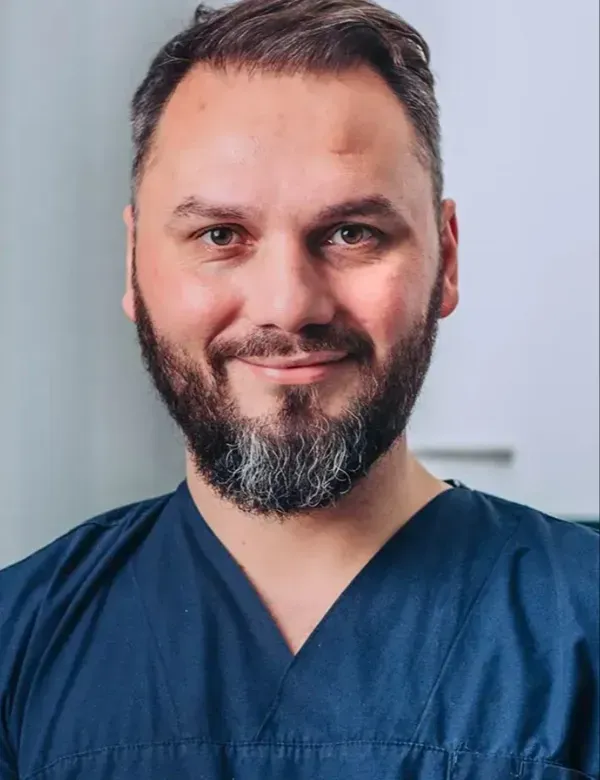
Dentistry · Esenyurt, İstanbul
Why Er Dental Clinic?
Related Pages
Dental Implants in Istanbul: Single, Multiple and Full-Arch
Implant-Supported Dentures: Stable Teeth Held by Implants
Zirconia (Ceramic) Dental Implants: A Metal-Free Alternative to Titanium
Sinus Lift Surgery for Dental Implants: Procedure and Recovery
Same Day Dental Implants in Turkey: Immediate Implant Treatment Explained
Jawbone Loss After Missing Teeth: Causes, Signs and Implant Options
Er Dental Clinic: Meet the Dentists Who Plan and Carry Out Your Treatment
Full Mouth Dental Implants in Turkey: Options for Replacing All Your Teeth
Free Online Dental Consultation: Send Your Photos and X-Rays for a Written Plan
Dt. Enes Yol – Oral and Maxillofacial Surgery, Er Dental Clinic Istanbul
Contact Er Dental Clinic
How Much Are Turkey Teeth? Treatment Prices at Er Dental Clinic, Istanbul
Your treatment plan · 3 short steps
Get your personal implant plan
Answer a few quick questions — it takes about a minute. Our dentists review your answers and reply with a written treatment plan and a clear price for your case, before you decide anything.
- Your treatmentWhat are you looking for?
- Your timingX-ray, dates and how we reply
- Your detailsSo we can send your plan
What you receive
- A written treatment plan prepared by our dentists
- A clear price for your case before you travel
- No obligation — ask every question first
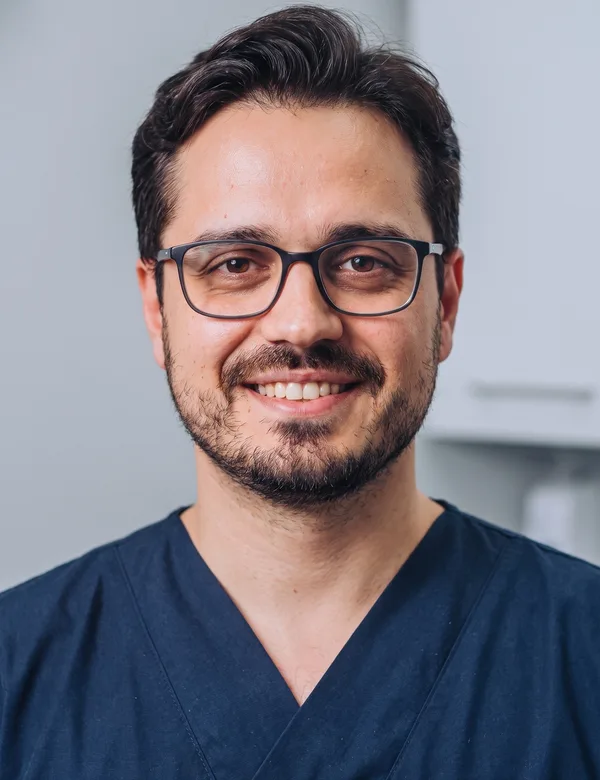
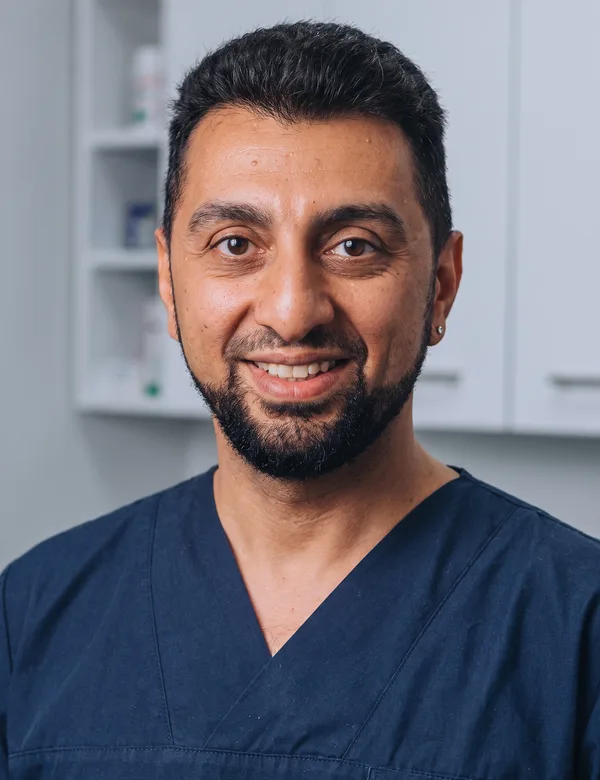

Your answers are reviewed by our dentist teamErtan Omerov · Enes Yol · Ahmet Mustafa Zeren · Vijdan Aslanoğlu