
General Dentistry in Turkey: Check-Ups, Fillings, Root Canals and More
General dentistry keeps natural teeth healthy: check-ups, cleaning, fillings, root canals and extractions. Plan your care in Istanbul with a free online consultation.
General dentistry is the everyday care that keeps natural teeth and gums healthy: check-ups and X-rays, professional cleaning, fillings, root canal treatment, extractions and preventive care such as sealants and fluoride. At Er Dental Clinic in Istanbul, Turkey, these treatments are planned on their own or alongside crowns, veneers or implants.
Written by Er Dental Clinic
Treatment at a glance
From Check-Up to Root Canal, Step by Step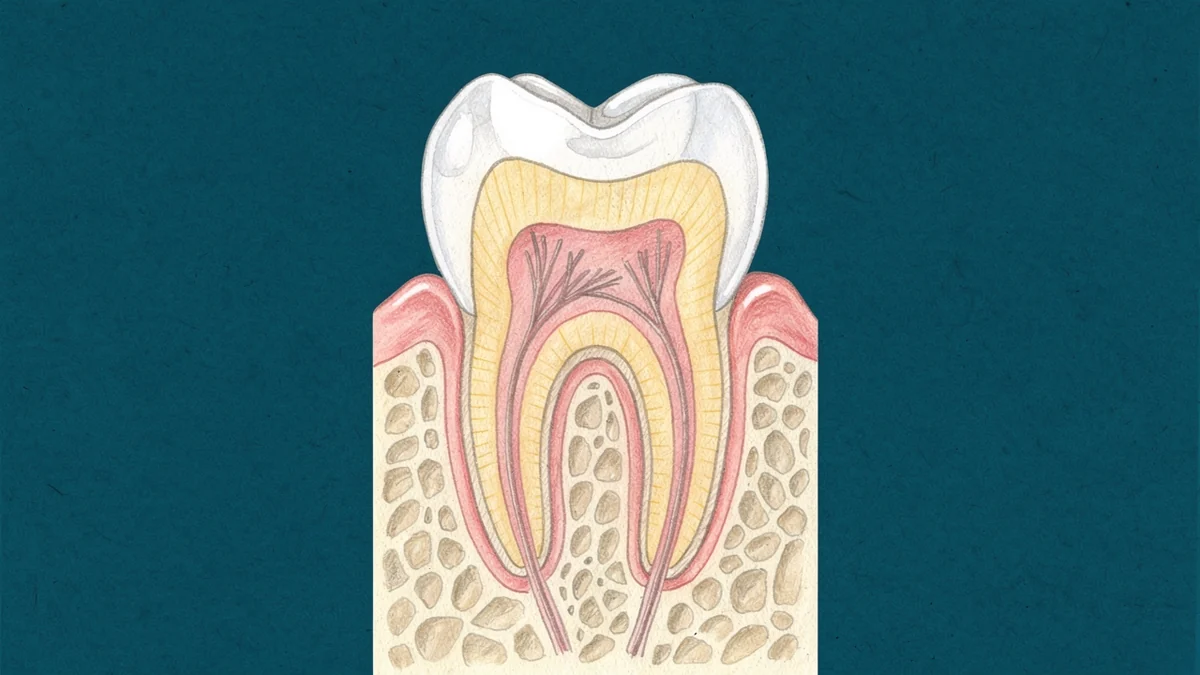
- 1Examination and X-raysExamination and X-rays identify why a tooth hurts, breaks or decays, not only where.
- 2Early decay on the enamelAt this early stage there may be only a chalky white spot, and fluoride, careful cleaning and sealing the grooves of back teeth can help stop it.
- 3A cavity in the dentineThe decayed part is removed and the tooth is repaired with a filling, or with an inlay or onlay if the cavity is large.
- 4Infection in the pulpRoot canal treatment is used to clean and seal the inside of the tooth.
- 5Protecting the toothBack teeth often need a crown or onlay afterwards to protect them.
What Is General Dentistry?
General dentistry is the everyday care that keeps your natural teeth and gums healthy. It covers four jobs: examining your mouth, preventing problems before they start, repairing teeth that are decayed or damaged, and treating pain and infection. A general dentist is usually the first person you see about any dental problem, and the one who decides whether a tooth can simply be cleaned, filled or saved, or whether it needs something more.
In practice, general dentistry includes a dental check-up with X-rays where needed, professional cleaning (scaling and polishing), tooth fillings, root canal treatment, tooth extraction, inlays and onlays for larger cavities, fissure sealants, fluoride treatment and night guards for teeth grinding. These treatments are less visible than veneers or implants, but they decide how long your natural teeth last and whether more complex work is ever needed.
At Er Dental Clinic, international patients use general dentistry in two ways. Some come to Istanbul for a larger treatment such as crowns or implants and have a check-up, a cleaning or a filling alongside it, so that the new work is placed in a healthy mouth. Others travel for general care on its own, for example a painful tooth that needs root canal treatment or several old fillings that need replacing. Either way, the plan starts the same way: a free online consultation, then an examination with a dentist in Istanbul who confirms what each tooth needs before any treatment begins.
How Tooth Problems Progress — and Which Treatment Fits Each Stage
Most dental problems follow a predictable path, and the right treatment depends on how far along that path a tooth has gone. A tooth is built in layers. The hard outer enamel protects the softer dentine beneath it, and at the centre sits the pulp, the living tissue with the nerve and blood vessels. Below the gum, the root is held in the jawbone.
Tooth decay starts on the enamel surface, where plaque bacteria turn sugars into acid. At this early stage there may be only a chalky white spot, and fluoride, careful cleaning and sealing the grooves of back teeth can help stop it. Once decay breaks through into the dentine, it spreads faster and a cavity forms; the decayed part is removed and the tooth is repaired with a filling, or with an inlay or onlay if the cavity is large. If bacteria reach the pulp, the nerve becomes inflamed or infected, which often causes lingering pain, and root canal treatment is used to clean and seal the inside of the tooth. When a tooth is too broken down or the infection cannot be controlled, extraction may be the safest option.
The earlier a problem is found, the smaller and simpler the repair usually is. That is the main reason regular check-ups and X-rays matter: decay between teeth or under an old filling often causes no symptoms until it is already deep.
Which Treatment Fits Each Layer of the Tooth?
Read this diagram as text
- Enamel
- Early decay: fluoride, sealants and cleaning
- Dentine
- A cavity: a filling, inlay or onlay
- Pulp
- Infection: root canal treatment
- Root and bone
- A tooth that cannot be saved: extraction
When to See a Dentist
You do not need to wait for pain to see a dentist. These are the most common reasons to book an examination:
- Toothache. Pain that lingers after hot or cold drinks, throbbing pain or pain when you bite can mean deep decay or an inflamed nerve.
- Sensitivity. Short, sharp twinges can come from worn enamel, exposed roots or a small cavity.
- Bleeding or swollen gums. Bleeding when you brush is usually the first sign of gum inflammation.
- A broken or lost filling. An old filling that has chipped or fallen out leaves the tooth open to decay and fracture.
- A darkened tooth. A tooth that turns grey or darker can be a sign that the nerve has been damaged.
- Grinding or clenching. Flattened, chipped teeth, a tired jaw in the morning or headaches can point to bruxism.
- Bad breath or a bad taste. These can come from plaque and tartar, gum problems or an infected tooth.
- No symptoms, but overdue a check-up. Many problems do not hurt in the early stages, which is when they are easiest to treat.
Toothache or a dental emergency in Istanbul? If you develop toothache while you are in Istanbul, contact us on WhatsApp with a short description and a photo of the area, and our team will advise you on the next step. Some symptoms need urgent medical care straight away rather than a dental appointment: swelling that spreads towards the eye or down the neck, a high temperature, or difficulty swallowing or breathing. In that case, go to the nearest hospital emergency department or call the local emergency number first.
Patient stories
Hear From Our International Patients
Patients from the UK, Romania, France, Ukraine and Russia talk about their treatment at Er Dental Clinic. Each video shows the treatment the patient had.
Dental Conditions Treated in General Dentistry
Two conditions are behind a large share of general dental treatment. Tooth decay is the most common reason for fillings, inlays and onlays, root canal treatment and many extractions. Teeth grinding (bruxism) wears and cracks teeth, damages fillings and crowns, and is managed with a night guard and other measures. Each has its own page explaining causes, signs and how treatment changes at each stage.
Tooth Decay (Cavities)
How decay starts, the stages it goes through and which treatment fits each stage, from fluoride to root canal treatment.
Read about tooth decayTeeth Grinding (Bruxism)
Why people grind and clench their teeth, the signs to look for and what grinding does to teeth and restorations.
Read about teeth grindingWho Is General Dentistry For?
General dentistry is for anyone who wants to keep their natural teeth healthy, but our international patients usually fall into one of three groups.
The first group is visiting Istanbul for another treatment. Before crowns, veneers, bridges or implants are placed, any decay, gum inflammation or infected nerves need to be treated, because new restorations last longer on healthy foundations. A check-up and a professional cleaning are often done at the start of the trip, and fillings or root canal treatment are added to the plan only where the examination shows they are needed.
The second group is overdue a check-up. If it has been some time since your last dental visit, an examination with X-rays shows what is happening beneath the surface, and small problems can be treated before they become large ones.
The third group has a specific problem: a painful tooth, a broken filling, sensitive teeth or jaw pain from grinding. For these patients, the priority is finding the cause and relieving the symptoms, then planning any further treatment.
Some factors make dental problems more likely: frequent sugary snacks or acidic drinks, a dry mouth (often a side effect of medicines), smoking, diabetes, gum recession that exposes the roots, many existing fillings and irregular cleaning between the teeth. Bleeding gums are usually the first sign of gum inflammation; a professional dental cleaning, together with better cleaning at home, is the usual first step.
General Dental Treatments We Offer
Dental cleaning
Tartar (hardened plaque) cannot be removed with a toothbrush. A scale and polish removes tartar above and just below the gum line and smooths the tooth surfaces. Where gum pockets have formed, a deeper cleaning or root planing cleans the root surfaces below the gum.
Tooth fillings
A filling repairs a tooth after the decayed part has been removed. White composite fillings are bonded to the tooth and matched to its colour; old amalgam fillings can be replaced when they are broken, leaking or have decay around them.
Root canal treatment
When the pulp inside a tooth is inflamed or infected, root canal treatment removes the damaged tissue, cleans and disinfects the canals and seals them. It allows you to keep a tooth that might otherwise need to be extracted. Back teeth often need a crown or onlay afterwards to protect them.
Tooth extraction
A tooth may need to be removed when it cannot be restored, when infection cannot be controlled or, for example, when a wisdom tooth keeps causing problems. A simple extraction removes a visible tooth; a surgical extraction is used for broken, impacted or complex teeth.
Inlays and onlays
For cavities that are too large for a filling but do not need a full crown, a ceramic inlay or onlay is made to fit the prepared tooth and bonded in place. An onlay also covers one or more of the biting cusps.
Dental sealants
A fissure sealant is a thin resin coating on the deep grooves of the back teeth. It makes the grooves easier to clean and helps prevent decay; no drilling is needed.
Fluoride treatment
A professional fluoride varnish strengthens enamel and can help early, white-spot decay to harden again before a cavity forms. It is useful for people with a high risk of decay, a dry mouth or exposed roots.
Bruxism treatment
For people who grind or clench, a custom-made night guard protects the teeth from wear and reduces the load on the jaw muscles. Worn or cracked teeth can be restored, and other options are discussed after an assessment.
Panoramic X-ray
A panoramic X-ray (OPG) shows all the teeth, both jaws and the surrounding structures in one image. It helps your dentist check roots, bone levels, wisdom teeth and old root canal treatments, and is combined with smaller X-rays or a CBCT scan where more detail is needed.
Which General Dental Treatment Do I Need?
Most people come to us with a symptom rather than the name of a treatment. The cards below link each common concern to the page that explains the treatment most often used for it. The final choice always depends on an examination and X-rays, and one symptom can have several possible causes, so treat these as a starting point.
My tooth hurts
Lingering pain, pain on biting or swelling can mean the nerve is inflamed or infected.
Read about root canal treatmentI have a hole or a broken filling
A cavity or a damaged old filling is usually repaired with a white composite filling.
Read about tooth fillingsThe cavity is too large for a filling
A ceramic inlay or onlay can rebuild a larger cavity while keeping more of the tooth than a crown.
Read about inlays and onlaysMy gums bleed
Bleeding gums usually mean gum inflammation; a professional cleaning is the first step.
Read about dental cleaningI grind my teeth
A custom night guard and other options can protect worn teeth and tired jaw muscles.
Read about bruxism treatmentI want to prevent problems
Sealing the deep grooves of back teeth helps keep decay out of the places that are hardest to clean.
Read about dental sealantsI get decay easily
Professional fluoride varnish strengthens enamel for people with a high risk of decay.
Read about fluoride treatmentI'm not sure
Send us your photos and any X-rays, and our dental team will suggest a written plan.
Start a free online consultationHow Much Does General Dental Treatment Cost in Turkey?
General dental treatment is priced treatment by treatment, so the total depends on how many teeth need care and what each one needs. Fillings, inlays, onlays and root canal treatment are priced per tooth. Our published prices are clinic-direct rates:
- Simple tooth extraction: from £90 / €100 / $120.
- Professional dental cleaning / scaling: £95 / €110 / $130.
- Composite dental filling: £100 / €120 / $140 per tooth.
- Surgical tooth extraction: £130 / €150 / $175.
- Deep dental cleaning: £130 / €150 / $175.
- Root canal treatment: £215 / €250 / $290 per tooth.
- Root canal retreatment: £260 / €300 / $350 per tooth.
- Ceramic inlay or onlay restoration: £345 / €400 / $460 per tooth.
Your final plan is confirmed after your X-rays are reviewed and your teeth have been examined. If you are coming for a package such as crowns or implants, root canal treatment and extractions on natural teeth are quoted separately, only if needed. Treatments without a published price, such as sealants, fluoride varnish or a night guard, are quoted after your assessment. The price page lists every treatment and what each package includes.
Comparing Options: Fillings, Root Canals, Extractions and Night Guards
A few comparisons come up again and again in general dentistry. The first is a filling or an inlay/onlay. A filling is placed directly in the tooth in one visit and suits small and medium cavities. An inlay or onlay is made outside the mouth from ceramic and bonded in place; it is usually chosen for larger cavities or weakened cusps, and it generally keeps more natural tooth than a crown.
The second is root canal treatment or extraction. When a tooth is infected, keeping it is usually considered first, because your own tooth keeps its place in your bite and avoids the need to replace it. Extraction becomes the better choice when there is too little healthy tooth left to restore, when the root is fractured or when treatment is unlikely to succeed. If a tooth is removed, the gap can later be restored with an implant, a bridge or a denture.
The third is how to manage teeth grinding. A custom night guard is the usual first step because it protects the teeth directly. Reducing triggers such as stress, caffeine and alcohol, repairing worn teeth and, in some cases, other treatments for the jaw muscles are discussed after an assessment.
Finally, a panoramic X-ray gives an overview of the whole mouth, while smaller bitewing or periapical X-rays and 3D CBCT scans show more detail where it is needed.
Filling vs Inlay or Onlay
When a cavity is too large for a filling and how a ceramic inlay or onlay protects the tooth.
Compare fillings and inlays/onlaysRoot Canal vs Extraction
Why saving the natural tooth is considered first and when it may not be possible.
Read about saving a toothSimple vs Surgical Extraction
How the two types of extraction differ, including wisdom tooth removal and aftercare.
Read about tooth extractionNight Guard vs Other Options
How a custom night guard compares with other ways of managing teeth grinding.
Compare bruxism treatmentsPanoramic X-Ray vs Other Dental X-Rays
What a panoramic X-ray shows, what it cannot show and when a CBCT scan is used instead.
Read about panoramic X-raysAssessment Before General Dental Treatment
Good general dentistry starts with an accurate picture of your mouth and your health.
Your medical history and medicines
Tell us about any medical conditions, allergies and the medicines you take. This is especially important for blood thinners, medicines for bone conditions (such as bisphosphonates), a history of radiotherapy to the head or neck, heart conditions and pregnancy, because they can change how treatment such as an extraction or deep cleaning is planned.
Previous X-rays and records
If you have recent X-rays or a panoramic image from your own dentist, send them with your photos. They help our dentists prepare your plan before you travel and may reduce the need for repeat images.
Your symptoms
Describe any pain: where it is, what triggers it, how long it lasts and whether there has been any swelling. This helps separate sensitivity from a nerve problem or an infection.
The check-up itself
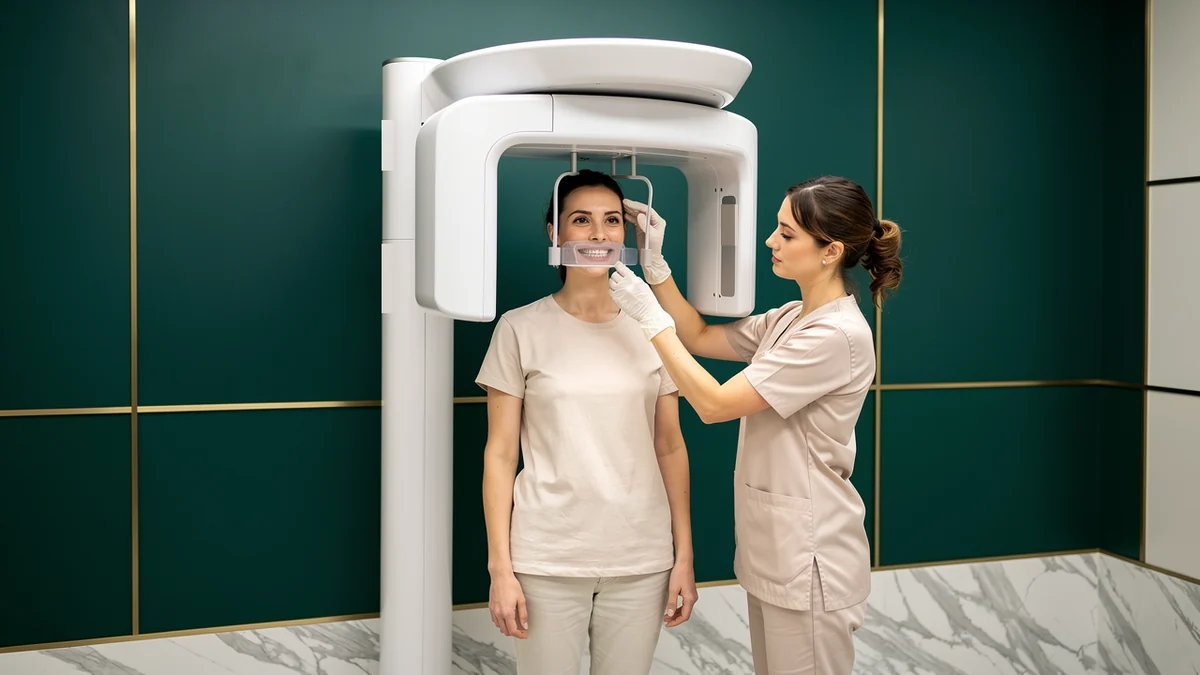
At the clinic, your dentist examines each tooth, the gums, your bite and the soft tissues of the mouth, and takes the X-rays needed to see between the teeth, under old fillings and around the roots. A panoramic X-ray can be taken at the clinic. If the examination changes your plan, the reason and any cost difference are explained and agreed with you before treatment begins.
How We Approach General Dentistry at Er Dental Clinic
Our approach is to treat the cause, keep as much of your natural tooth as possible and choose the least invasive repair that will last. A tooth is never extracted when it can reasonably be saved, and a crown is not proposed where a filling, inlay or onlay would do the job.
- 1Find the cause. Examination and X-rays identify why a tooth hurts, breaks or decays, not only where.
- 2Save the natural tooth. Keeping your own tooth is considered first, with extraction reserved for teeth that cannot be restored.
- 3Least-invasive repair. The smallest repair that will protect the tooth is chosen: a filling before an inlay or onlay, an onlay before a crown.
- 4Prevent recurrence. Cleaning, sealants, fluoride and a night guard where needed reduce the chance of the problem coming back.
Your General Dental Visit Step by Step
Most general treatments can be planned around a short stay in Istanbul, and many can be combined with other treatment in the same trip. The length of your visit depends on the treatments in your plan and is confirmed in writing before you book.
- 1Send photos and X-rays online. Share photos of your teeth, any recent X-rays and a description of your symptoms.
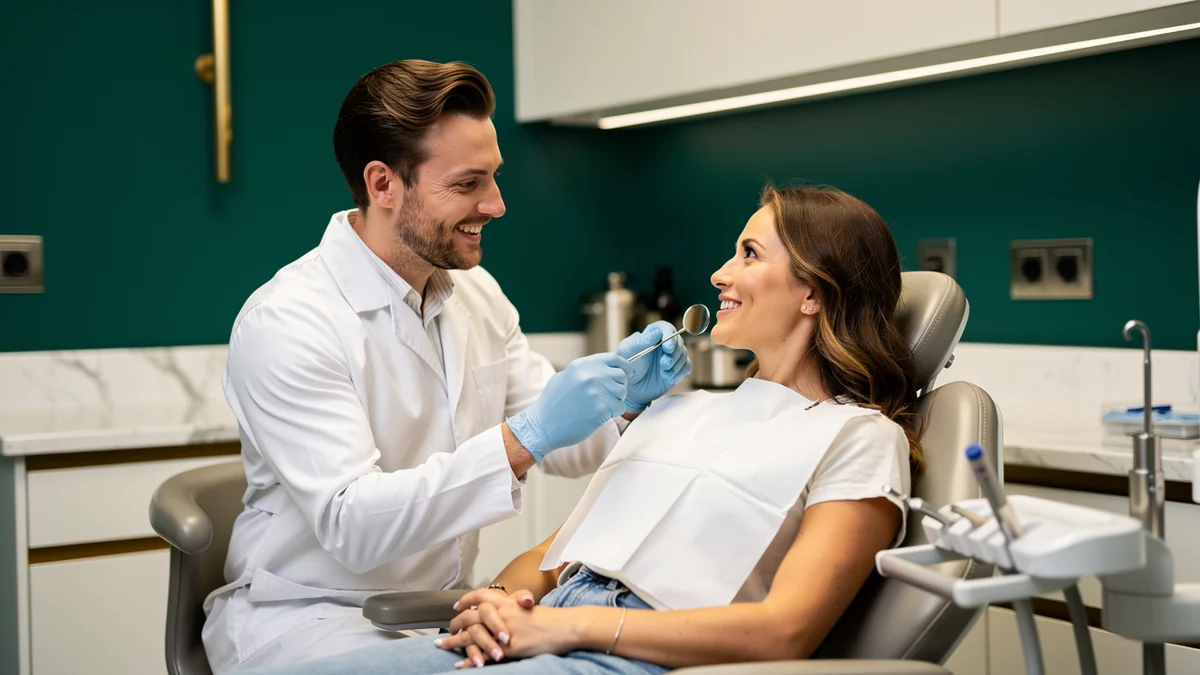
- 2Examination and X-rays. At the clinic, your dentist examines your teeth, gums and bite and takes the X-rays needed.
- 3Written plan and price. You receive a written plan that lists each treatment and its price, and agree it before treatment starts.
- 4Treatment. Cleaning, fillings, root canal treatment or extractions are carried out under local anaesthesia where needed.
- 5Aftercare advice and check-up interval. You leave with written aftercare advice and a recommended check-up interval to follow at home.
Aftercare and Prevention
What you do at home matters as much as the treatment itself. A few habits protect both your natural teeth and any new fillings, crowns or implants.
Brush twice a day with a fluoride toothpaste, spitting out rather than rinsing afterwards so the fluoride stays on the teeth. Clean between your teeth once a day with interdental brushes or floss, because a toothbrush does not reach these surfaces, and they are where decay and gum inflammation often start.
Keep sugary and acidic foods and drinks to mealtimes rather than spreading them through the day. Each sugary snack gives plaque bacteria another chance to produce acid. Water is the safest drink between meals, and stopping smoking helps both your gums and healing after treatment.
If you grind or clench your teeth, wear your night guard as advised and bring it to your check-ups so its fit can be checked. After a filling, root canal treatment or extraction, follow the specific instructions your dentist gives you; for example, after an extraction you should protect the blood clot by avoiding rinsing, smoking and drinking through a straw on the first day.
Once you are home, keep up regular check-ups with your own dentist. Your dentist in Istanbul recommends a check-up interval based on your risk of decay and gum disease, and we give you copies of your X-rays and treatment notes so that your local dentist can see what was done.
Risks and What to Expect After General Dental Treatment
General dental treatments are routine, but it helps to know what is normal afterwards and when to get in touch.
Sensitivity after fillings or cleaning
Teeth can be sensitive to hot, cold or sweet things for a few days after a filling or a cleaning. This usually settles; if it gets worse or turns into lasting pain, contact your dentist.
Soreness after an extraction
Some pain, swelling and a little bleeding are expected in the first days. Most people feel better within a few days, and your dentist gives you personal aftercare advice.
Dry socket
If the blood clot in the socket breaks down, pain can increase a few days after the extraction instead of easing. Smoking raises the risk. It is treated at the clinic with a soothing dressing.
Root canal flare-up
A tooth can feel tender for a few days after root canal treatment. Increasing pain or swelling should be checked, and occasionally a tooth needs retreatment if healing does not happen as expected.
Restorations wear over time
Fillings, inlays, onlays and crowns can last for many years with good care, but their lifespan depends on the size of the repair, your bite, grinding and hygiene. Any of them may need repair or replacement in the future.
Numbness
Local anaesthesia wears off within a few hours; avoid hot drinks and chewing until feeling returns. Rarely, an extraction close to a nerve can cause longer-lasting numbness; your dentist explains if this applies to you.
Your dentist explains the risks that apply to your treatment before you give your consent.
General Dentistry in Turkey: Frequently Asked Questions
What does general dentistry include?
General dentistry includes dental check-ups, X-rays, professional cleaning, fillings, root canal treatment, tooth extraction, inlays and onlays, fissure sealants, fluoride treatment and night guards for teeth grinding. Its aim is to find problems early, prevent new ones and save natural teeth wherever possible. At Er Dental Clinic, these treatments can be planned on their own or alongside crowns, veneers or implants.
How much does general dental treatment cost in Turkey?
At Er Dental Clinic, a simple tooth extraction starts from £90 / €100 / $120, a professional dental cleaning is £95 / €110 / $130, a composite filling is £100 / €120 / $140 per tooth and root canal treatment is £215 / €250 / $290 per tooth. Your final cost depends on how many teeth need treatment and is confirmed after your X-rays are reviewed. The price page lists every treatment.
Can I have a check-up and cleaning while I am in Istanbul for other treatment?
Yes. A check-up and a professional cleaning are often done at the start of a trip for crowns, veneers or implants, so that new work is placed on healthy teeth and gums. If the examination finds decay or an infected tooth, the extra treatment and its price are explained and agreed with you before anything is done.
What happens at a dental check-up?
At a dental check-up, your dentist asks about your health and any symptoms, then examines your teeth, gums, bite and the soft tissues of your mouth. X-rays are taken where needed to see between the teeth, under old fillings and around the roots. You then receive a written plan for any treatment and a recommended interval for your next check-up.
What should I do if I get toothache in Istanbul?
Contact us on WhatsApp with a short description and a photo of the area, and our team will advise you on the next step. If you have swelling spreading towards the eye or neck, a high temperature, or difficulty swallowing or breathing, seek urgent medical care at the nearest hospital first. Until you are seen, avoid chewing on the painful side and very hot or cold food.
Do I need new X-rays?
Not always. If you have recent, good-quality X-rays or a panoramic image from your own dentist, send them with your photos and our dentists will review them first. At the clinic, your dentist may still take additional images where more detail is needed, for example between the teeth or around a painful root.
Can a painful tooth be saved instead of extracted?
Often, yes. When pain comes from an inflamed or infected nerve, root canal treatment can usually save the tooth, followed by a filling, onlay or crown to protect it. Extraction is considered when too little healthy tooth remains or the root is fractured; your dentist explains the options after an examination and X-rays.
References
- Dental check-ups — NHS, 2026
- How to keep your teeth clean — NHS, 2026
- Toothache — NHS, 2026
- Oral health fact sheet — World Health Organization, 2026
Send Us Your Photos for a Free Online Plan
Send us photos of your teeth, any recent X-rays and a short description of your symptoms for a free online consultation. Our dental team reviews them and replies with a written treatment plan and an estimated quote, so you know what each tooth needs before you decide to travel.

Dentistry · Esenyurt, İstanbul
Why Er Dental Clinic?
Related Pages
Tooth Fillings in Turkey: White Composite Fillings and Amalgam Replacement
Dental Inlays and Onlays: Ceramic Repairs for Larger Cavities
Professional Fluoride Treatment: How Fluoride Varnish Helps Protect Teeth
Tooth Decay (Cavities): Causes, Stages and Treatment at Each Stage
Panoramic Dental X-Ray (OPG): What It Shows and When You Need One
Er Dental Clinic: Meet the Dentists Who Plan and Carry Out Your Treatment
Contact Er Dental Clinic
How Much Are Turkey Teeth? Treatment Prices at Er Dental Clinic, Istanbul
Your treatment plan · 3 short steps
Get your personal treatment plan
Answer a few quick questions — it takes about a minute. Our dentists review your answers and reply with a written treatment plan and a clear price for your case, before you decide anything.
- Your treatmentWhat are you looking for?
- Your timingX-ray, dates and how we reply
- Your detailsSo we can send your plan
What you receive
- A written treatment plan prepared by our dentists
- A clear price for your case before you travel
- No obligation — ask every question first


Your answers are reviewed by our dentist teamErtan Omerov · Enes Yol · Ahmet Mustafa Zeren · Vijdan Aslanoğlu