
Dental Bridges in Turkey: Types, Treatment Steps and Who They Suit
A dental bridge replaces missing teeth with a fixed pontic held by neighbouring teeth. Compare traditional, Maryland and cantilever bridges in Istanbul. Get your plan.

A dental bridge is a fixed replacement for one or more missing teeth: an artificial tooth, called a pontic, is held in the gap by the teeth next to it. At Er Dental Clinic in Istanbul, Turkey, we plan traditional, Maryland and cantilever bridges, choosing the design and material after examining your supporting teeth.
Written by Er Dental Clinic
Treatment at a glance
Dental Bridge Treatment Step by Step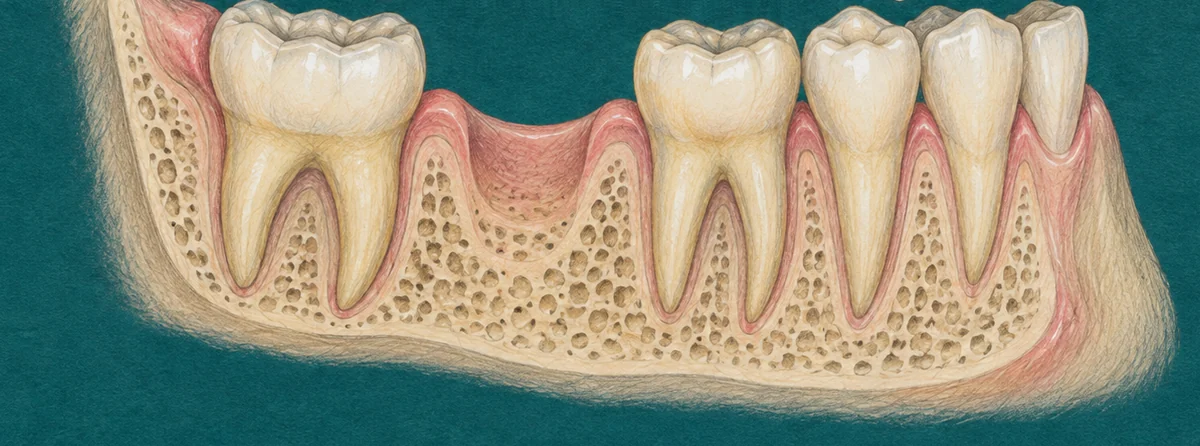
- 1Examination and X-raysYour dentist confirms the plan, treats any decay or gum problems and agrees the shade and shape with you.
- 2Preparing the supporting teethUnder local anaesthesia, the teeth beside the gap are reshaped for crowns, or lightly prepared for the wings of a Maryland bridge.
- 3Digital scan or impressionThe prepared teeth, the gap and your bite are recorded with an intraoral scan or a traditional impression.
- 4Temporary bridgeA temporary bridge protects the prepared teeth and fills the gap while the final bridge is made.
- 5Fitting and bite adjustmentThe bridge is tried in, checked for fit, colour and cleaning access, fixed in place and your bite is adjusted.
What Is a Dental Bridge?
A dental bridge is a fixed replacement for one or more missing teeth. It is often called a tooth bridge, and it works much as the name suggests: it spans the gap left by a missing tooth and is held in place by the teeth next to it. Because a bridge is cemented or bonded to those teeth, it stays in your mouth all the time. Unlike a partial denture, you cannot take it out to clean it.
Every bridge has the same basic parts. The artificial tooth that fills the gap is called a pontic. The natural teeth that hold the bridge are the abutment or supporting teeth. The part of the bridge that attaches to each supporting tooth is the retainer, which is either a crown that covers the tooth or a thin wing bonded to its back surface. The joins between the pontic and the retainers are the connectors.
A bridge restores the look of your smile, helps you bite and chew on that side again and stops the neighbouring teeth from drifting into the gap. It is one of several ways to replace missing teeth, alongside dental implants and removable dentures. This guide explains how bridges work, the different types available at our clinic in Istanbul, who they suit, what treatment involves and how bridges are priced.
Real patients
Before and After at Er Dental Clinic
Photos of Er Dental Clinic patients. Every case is different — ask us to see bridge cases similar to yours.
How a Dental Bridge Works: Pontic, Retainers and Supporting Teeth
A bridge works by sharing the job of a missing tooth between the teeth around the gap. When you bite on the pontic, the force passes through the connectors to the retainers and from there into the supporting teeth, their roots and the bone that holds them. That is why the health of the supporting teeth matters so much: they carry their own load and the load of the tooth that is no longer there.
The pontic sits on the gum rather than in it. It is shaped so that it looks like a tooth growing from the gum while still leaving room to clean underneath it. Below the pontic, there is no root, so the bone in the gap is not stimulated by chewing in the way that a natural root or an implant stimulates it. Over time, the bone and gum under the pontic can shrink a little, which is one of the points your dentist considers when comparing a bridge with an implant.
The illustration below shows the layers of a typical bridge, from the pontic you see down to the gum and bone that support the whole restoration.
What Are the Parts of a Dental Bridge?
Read this diagram as text
- Pontic
- The artificial tooth that fills the gap and rests on the gum
- Retainer crowns or wings
- Crowns over the neighbouring teeth, or wings bonded to their back surface
- Supporting teeth
- Your own teeth beside the gap, which carry the bridge
- Gum and bone
- The tissues that hold the supporting teeth and sit under the pontic
When Is a Dental Bridge Used?
Most people come to us with a gap rather than a request for a particular treatment. A bridge is one of the ways to close that gap, and it is usually considered in these situations:
- One missing tooth, or a few in a row. A bridge is designed to replace a tooth or a short run of teeth between healthy supporting teeth. Long gaps put too much load on the teeth at each end.
- The neighbouring teeth need crowns anyway. If the teeth on each side of the gap already have large fillings or old crowns, covering them with new crowns as part of a bridge can protect them and replace the missing tooth in one treatment.
- An implant is not possible or not wanted. Some people do not have enough bone for an implant without grafting, have medical reasons to avoid surgery, or simply prefer a treatment without an operation.
- Teeth are shifting. When a tooth is lost, the teeth beside it can tilt into the space and the opposing tooth can move towards it. This can change your bite and make cleaning harder.
- Chewing is uncomfortable. People often start to chew only on one side after losing a back tooth. Replacing it spreads the load again.
- Appearance. A gap at the front of the mouth is noticeable when you speak and smile, and a bridge can restore a natural line of teeth.
A bridge is not the only answer. Depending on the gap, the health of your teeth and your wishes, your dentist may also talk to you about an implant or a removable denture, and explains why one option fits your situation better.
Patient stories
Hear From Our International Patients
Patients from the UK, Romania, France, Ukraine and Russia talk about their treatment at Er Dental Clinic. Each video shows the treatment the patient had.
Dental Problems Treated with Bridges
Bridges are a treatment for missing teeth, whether a tooth was lost to decay, gum disease, an injury or never developed. Our page on missing teeth explains why teeth are lost, what happens to the mouth after a tooth is lost and how the replacement options compare.
Who Is Suitable for a Dental Bridge?
Many adults with a missing tooth can be considered for a bridge. Whether it suits you depends on the teeth that would support it and on how you look after them, which your dentist checks on X-rays and during the examination:
- Healthy supporting teeth. The teeth beside the gap need strong roots and enough bone around them to carry extra load. Teeth that are loose, heavily decayed or have a poor outlook are not good anchors.
- Healthy gums. Gum disease should be treated first. Inflamed gums bleed and recede, and they can undermine both the supporting teeth and the bridge.
- The size and position of the gap. A bridge usually replaces one tooth or a short run of teeth. The longer the span, the greater the strain on the supporting teeth.
- Your bite and grinding habits. Heavy grinding or clenching puts bridges under strain, affects the choice of design and material and may mean a night guard is recommended.
- The condition of the neighbouring teeth. If they are sound and untouched, preparing them for crowns removes healthy enamel, and a Maryland bridge or an implant may be worth discussing instead. If they already have large fillings or crowns, a traditional bridge can be a sensible choice.
- Cleaning. Food and plaque collect under the pontic, so you need to be willing to clean under the bridge every day with floss threaders, interdental brushes or a water flosser.
If you are unsure, send us photos and recent X-rays of the gap. Your dentist explains whether a bridge is suitable and what the alternatives are.
Types of Dental Bridges: Traditional, Maryland, Cantilever and Implant-Supported
Traditional bridges
A traditional, or conventional, bridge is the most common type. The teeth on each side of the gap are prepared for crowns, and the pontic is joined between the two crowns, so the bridge is supported from both sides. The classic example is a bridge made of two crowns and one pontic to replace a single tooth. Traditional bridges are strong and suit both front and back teeth, and they make most sense when the neighbouring teeth already need crowns. Our page on traditional bridges explains the parts, the treatment and who they suit in detail.
Maryland bridges
A Maryland bridge, also called a resin-bonded, bonded or adhesive bridge, holds the pontic with thin wings bonded to the back surface of the neighbouring teeth. Little or no tooth preparation is needed, so it is a conservative choice for a single missing front tooth where biting forces are lower. The bond can come loose, in which case the bridge can often be rebonded. Read more on our Maryland bridges page.
Cantilever bridges
A cantilever bridge is attached to supporting teeth on one side of the gap only. It can be used when there is a tooth on just one side of the space, or where a single supporting tooth is enough, usually in the front of the mouth where forces are lower. Because the pontic acts like a lever on the supporting tooth, careful case selection is needed. Our page on cantilever bridges explains when this design is considered.
Implant-supported bridges
When several teeth in a row are missing, or there are no suitable teeth to support a bridge, a bridge can be fixed on dental implants instead of natural teeth. This is planned as implant treatment, and our dental implants guide explains it.
Materials
The crowns that support a traditional bridge use the same materials as our single dental crowns: zirconia is often chosen for strength, especially on back teeth; porcelain fused to metal (PFM) is used in some bridges; and E-max glass ceramic by Ivoclar may be used for a short bridge in the front of the mouth. Your written plan states the proposed type and material for your bridge and explains why.

Which Dental Bridge Is Right for Me?
The right bridge depends mainly on whether there are healthy teeth on both sides of the gap, whether those teeth already need crowns and how strongly you bite in that part of the mouth. The guide below is a starting point; your dentist confirms the choice after examining your teeth and X-rays.
Traditional Bridges
Supported by crowns on both sides of the gap. Often chosen when the neighbouring teeth already need crowns, and suitable for front and back teeth.
Explore traditional bridgesMaryland Bridges
Bonded to the back of the neighbouring teeth with little or no preparation. Usually considered for a single missing front tooth.
Explore Maryland bridgesCantilever Bridges
Supported from one side of the gap only. Considered in selected cases, mostly where biting forces are lower.
Explore cantilever bridgesHow Much Does a Dental Bridge Cost in Turkey?
Bridges are priced per unit rather than as a fixed package, so the total depends on how many teeth the bridge covers and the materials used — your dentist confirms the figure in your written plan after your X-rays are reviewed. Each supporting crown and each pontic counts as a unit, which is why a bridge that replaces one tooth costs less than a longer bridge.
Several factors shape the final figure:
- The type of bridge. A Maryland bridge needs less laboratory work and less preparation than a traditional bridge, while a cantilever bridge may use one or two supporting crowns.
- The material. Zirconia, PFM and E-max are priced differently, in the same way as single crowns.
- The supporting teeth. If a supporting tooth needs root canal treatment, a post and core build-up or gum treatment before the bridge is made, this is quoted separately and only when it is clinically required.
Crowns, bridges and veneers are covered by a 5-year warranty, provided you keep to the recommended hygiene and check-up schedule. Any change to your plan after the examination is explained and agreed with you before treatment begins. The price page lists our published prices for crowns, implants and other treatments.
Comparing Bridges with Implants, Dentures and Other Options
Three comparisons come up in most consultations. The first is bridge vs implant. An implant replaces the root as well as the tooth and does not rely on the neighbouring teeth, while a bridge needs no surgery and is usually completed sooner but uses the neighbouring teeth for support. Our dental implant vs bridge page compares the two in detail.
The second is bridge vs partial denture. A partial denture is a removable plate with artificial teeth that clips onto your remaining teeth. It can replace several gaps at once and needs little preparation, but it has to be taken out to clean, and many people find a fixed bridge more stable and comfortable.
The third is the choice of material for the crowns that support the bridge. Zirconia, PFM and E-max each have strengths, and our dental crowns guide explains how they compare.
Dental Implant vs Bridge
How each option replaces a missing tooth, what happens to the neighbouring teeth and the bone, and which to choose.
Compare implants and bridgesBridge Materials
Zirconia, E-max and PFM: how the crowns that support a bridge are made and how the materials compare.
Read about crown materialsAssessment Before Dental Bridge Treatment
A bridge is only as reliable as the teeth that hold it, so every bridge plan starts with checking those teeth.
Before you travel
The process starts with a free online consultation. You send recent photos of your teeth and, if you have them, X-rays of the gap. Our dentists review them and prepare a written treatment plan with the proposed type of bridge, the material, the expected length of your stay and the price, so you can decide before booking anything.
At the clinic
At your first appointment, a clinical examination and X-rays confirm the plan. Your dentist checks the supporting teeth for decay, cracks and the health of the nerve and root, measures the bone and gum around them, looks at the gap itself and assesses how your teeth meet when you bite.
If a supporting tooth needs more work first
An infected nerve is treated with root canal treatment, a tooth with little structure left may need a post and core build-up, and gum inflammation is treated so that the bridge sits against healthy tissue. If the examination shows that a bridge is not the right choice, for example because a supporting tooth has a poor outlook, your dentist explains the alternatives. Any change to your plan and any cost difference is explained and agreed with you before treatment begins.
Shape and shade
The shade of the bridge is chosen in daylight against your natural teeth, and the shape of the pontic is planned so that it looks natural and can still be cleaned underneath.
How We Plan Bridges at Er Dental Clinic
Bridge treatment is planned around the supporting teeth. The aim is to choose the least invasive design that will hold up to your bite, to keep as much healthy tooth as possible and to shape the bridge so that you can keep it clean.
The clinic holds an International Health Tourism Authorization Certificate issued by the Republic of Türkiye Ministry of Health (certificate no. ST-6264), which carries the HealthTürkiye logo. You can check it on the e-Devlet document verification service at turkiye.gov.tr.
Every bridge plan follows the same sequence:
- 1Online review. Your photos and X-rays are assessed and you receive a written treatment plan and quote before you travel.
- 2Supporting teeth first. A clinical examination and X-rays check the teeth beside the gap, their roots and the surrounding gum and bone.
- 3Design matched to the gap. A traditional, Maryland or cantilever bridge is proposed according to the teeth available, your bite and your wishes.
- 4Conservative preparation. Only as much tooth is reshaped as the chosen design and material need, and a temporary bridge protects the teeth meanwhile.
- 5Written warranty. Crowns, bridges and veneers are covered by a 5-year warranty, provided you keep to the recommended hygiene and check-up schedule.
- 6Remote follow-up. Aftercare instructions and your treatment documents before you leave, and remote follow-up once you are home.
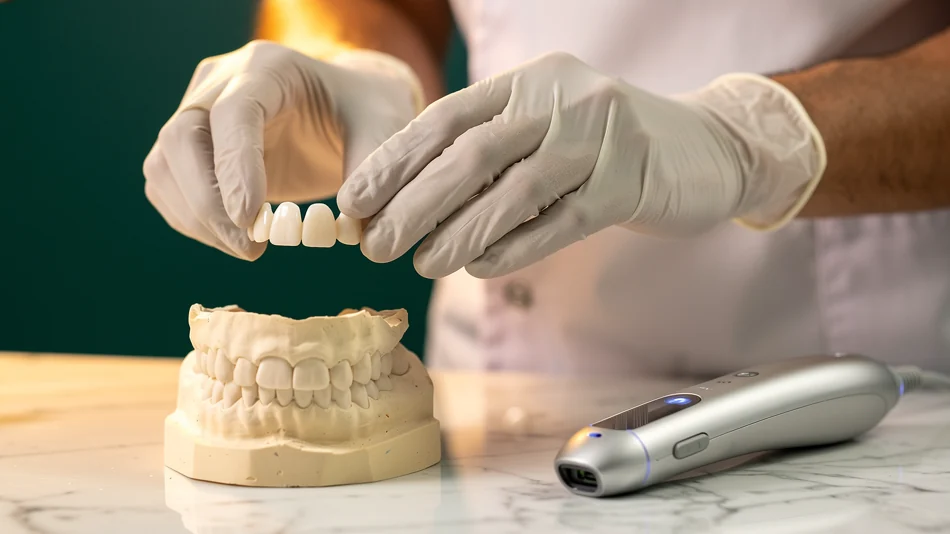
Dental Bridge Treatment Step by Step
A traditional bridge on natural teeth usually needs a preparation visit and a fitting visit, with laboratory time between them, and is completed in one trip to Istanbul. A Maryland bridge needs little or no preparation, so the steps are simpler. If a supporting tooth needs root canal treatment or other work first, or if the bridge is fixed on implants, the timeline changes. The number of appointments and days is written into your plan before you book.
- 1Examination and X-rays. Your dentist confirms the plan, treats any decay or gum problems and agrees the shade and shape with you.
- 2Preparing the supporting teeth. Under local anaesthesia, the teeth beside the gap are reshaped for crowns, or lightly prepared for the wings of a Maryland bridge.
- 3Digital scan or impression. The prepared teeth, the gap and your bite are recorded with an intraoral scan or a traditional impression.
- 4Temporary bridge. A temporary bridge protects the prepared teeth and fills the gap while the final bridge is made.
- 5Laboratory work. The dental laboratory makes the bridge in the chosen material and shade.
- 6Fitting and bite adjustment. The bridge is tried in, checked for fit, colour and cleaning access, fixed in place and your bite is adjusted.
Aftercare: Cleaning Under Your Dental Bridge
After a bridge is fitted, the supporting teeth may feel sensitive to hot and cold for a few days, and the new tooth can take a little getting used to when you bite and speak. If your bite feels high or uneven, tell your dentist before you leave, because a small adjustment usually solves it.
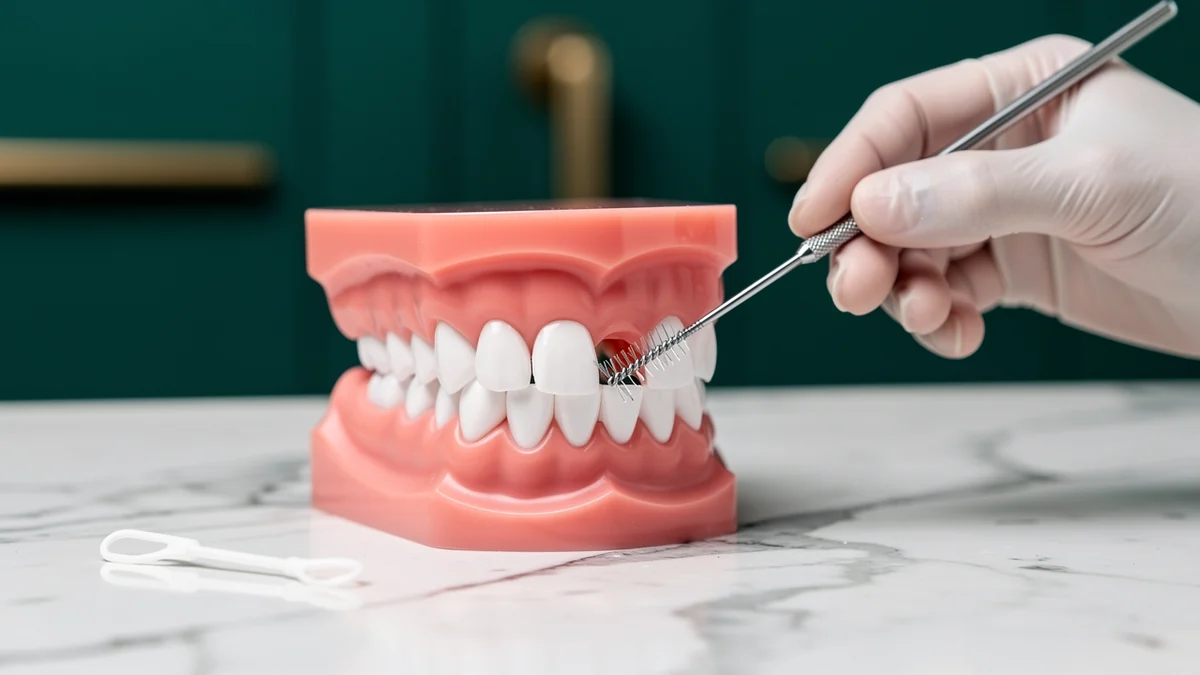
The most important part of looking after a bridge is cleaning under the pontic. Ordinary floss cannot pass between the teeth where the bridge is joined, so food and plaque can collect there and lead to decay of the supporting teeth or gum inflammation. These tools help:
- Floss threaders or superfloss. A stiffened end lets you thread floss under the pontic and clean the gum beneath it and the sides of the supporting teeth.
- Interdental brushes. Small brushes can clean the spaces beside the pontic and the edges of the supporting crowns.
- A water flosser. A jet of water helps rinse away food from under the bridge and is useful if threading floss is difficult.
- Twice-daily brushing with a fluoride toothpaste, paying attention to the gum line around the supporting teeth.
Avoid biting very hard objects with the bridge, and if you grind your teeth, a night guard may be recommended. Keep regular check-ups and professional cleanings, either with us or with your dentist at home. Before you leave Istanbul, you receive written aftercare instructions and your treatment documents, and after you return, we stay in touch for remote follow-up.
Risks and Possible Problems with Dental Bridges
Bridges are a well-established treatment, but like any treatment they have possible drawbacks that you should understand before deciding:
Decay of the supporting teeth
The bridge itself cannot decay, but the supporting teeth can, especially at the edge of the crowns and under the bridge, where plaque is harder to reach. This is the most common reason bridges need to be replaced.
Gum inflammation
If plaque builds up under the pontic or around the supporting teeth, the gum can become red, swollen and bleed, and gums can recede over time.
Sensitivity
Prepared teeth can be sensitive to temperature for a while after treatment; this usually settles.
Loosening
A crown retainer can come loose if the cement washes out, and the wings of a Maryland bridge can debond. Keep the bridge and contact a dentist, because it can often be refixed if the teeth are sound.
Chipping or fracture
Ceramic can chip, especially with grinding or biting hard objects, and a bridge can break at a connector if it is overloaded.
Nerve problems
Some supporting teeth, particularly those with deep decay or large old fillings, may develop nerve inflammation after preparation and need root canal treatment later.
Irreversible preparation
Teeth prepared for crowns will always need a crown or a bridge in the future.
Bone changes under the pontic
Without a root, the bone and gum in the gap can shrink a little over time.
Many bridges last for years with good care; lifespan depends on the supporting teeth, bite, grinding and cleaning under the bridge. Your dentist explains the risks that apply to your teeth, based on your X-rays and examination, before you give your consent.
Dental Bridges in Turkey: Frequently Asked Questions
How much is a dental bridge in Turkey?
Bridges are priced per unit rather than as a fixed package, so the total depends on how many teeth the bridge covers and the materials used. Each supporting crown and each pontic counts as a unit. Your dentist confirms the figure in your written plan after your X-rays are reviewed, and any extra treatment is disclosed in writing before you travel.
Is it safe to get a dental bridge in Turkey?
Safety depends on the clinic, the assessment and the health of your supporting teeth rather than the country. Er Dental Clinic holds an International Health Tourism Authorization Certificate from the Republic of Türkiye Ministry of Health (ST-6264). The teeth beside the gap are examined and X-rayed before anything is prepared, and your written plan sets out the treatment, materials and costs before you travel.
How long does a dental bridge last?
Many bridges last for years with good care; lifespan depends on the supporting teeth, bite, grinding and cleaning under the bridge. Decay of the supporting teeth is the most common reason a bridge needs replacing, so daily cleaning under the pontic and regular check-ups matter. Bridges fitted at our clinic are covered by a 5-year warranty, provided you keep to the recommended hygiene and check-up schedule.
How many visits does a dental bridge need?
A traditional bridge usually needs a preparation visit and a fitting visit, with laboratory time between them, and is completed in one trip to Istanbul. You wear a temporary bridge while the final one is made. A Maryland bridge needs less preparation. If a supporting tooth needs root canal treatment first, the plan changes, and your written plan states the expected number of days before you book.
Should I get a bridge or an implant?
An implant replaces the missing root and does not rely on the neighbouring teeth, while a bridge needs no surgery but uses the neighbouring teeth for support. A bridge often makes sense when those teeth already need crowns; an implant is often preferred when they are healthy and untouched and there is enough bone. Your dentist recommends one after examining the gap and your X-rays.
Is a bridge better than a partial denture?
A bridge is fixed in place and feels more like natural teeth, while a partial denture is removable and clips onto your remaining teeth. A partial denture can replace several gaps at once with little preparation, but it has to be taken out to clean and can feel less stable. Which suits you depends on the number and position of the gaps and the health of your teeth.
How do you clean under a dental bridge?
You clean under a bridge with a floss threader or superfloss, interdental brushes or a water flosser, because ordinary floss cannot pass through the joined teeth. Thread the floss under the pontic, clean the gum beneath it and the sides of each supporting tooth every day. Brush twice a day with a fluoride toothpaste and keep regular check-ups.
References
- Dental Bridges — Cleveland Clinic, 2026
- Bridges — Oral Health Foundation, 2026
- Bridges — American Dental Association (MouthHealthy), 2026
Get Your Bridge Plan in Istanbul
Send us your photos or X-rays of the gap for a free online consultation. Our dentists review them and reply with a written treatment plan that states the proposed type of bridge, the material and a clear quote, so you can compare your options before you decide to travel. You can also contact us directly with any question about your treatment.

Dentistry · Esenyurt, İstanbul
Why Er Dental Clinic?
Related Pages
Traditional Dental Bridges: How a Fixed Bridge Replaces a Missing Tooth
Missing Teeth: Causes, Effects and Replacement Options
How Much Are Turkey Teeth? Treatment Prices at Er Dental Clinic, Istanbul
Free Online Dental Consultation: Send Your Photos and X-Rays for a Written Plan
Er Dental Clinic: Meet the Dentists Who Plan and Carry Out Your Treatment
Contact Er Dental Clinic
Your treatment plan · 3 short steps
Get your personal bridge plan
Answer a few quick questions — it takes about a minute. Our dentists review your answers and reply with a written treatment plan and a clear price for your case, before you decide anything.
- Your treatmentWhat are you looking for?
- Your timingX-ray, dates and how we reply
- Your detailsSo we can send your plan
What you receive
- A written treatment plan prepared by our dentists
- A clear price for your case before you travel
- No obligation — ask every question first



Your answers are reviewed by our dentist teamErtan Omerov · Enes Yol · Ahmet Mustafa Zeren · Vijdan Aslanoğlu